The proposal would speed up evictions, eliminate some protections for tenants, and exempt buildings from a law that requires tenants have first right of purchase.


A report from the Washington, D.C. Council Office of Racial Equity (CORE) warns that a proposed bill advancing through the District council would have negative impacts on Black and low-income residents.
As Suzie Amanuel explains in Washington CityPaper, the Rebalancing Expectations for Neighbors, Tenants, and Landlords (RENTAL) Act would speed up evictions and remove tenant protections, likely intensifying disparities for Black residents. The report notes that wealthier D.C. residents can afford legal representation in eviction cases, whereas lower-income people cannot.
“While other jurisdictions invest in preventing the cycle and decreasing evictions, the District has significantly curtailed emergency rental assistance,” Amanuel adds. According to the report, the act “leaves far too much power up to landlords and the courts—two institutions with far more power and resources than a tenant, particularly those from Black communities in DC.”
The bill exempts newly constructed buildings from the Tenant Opportunity to Purchase (TOPA) law for 15 years and allows further exemptions for buildings that sign on to an affordability covenant. TOPA has helped create affordability and build equity in Black communities, but opponents say it slows development. “Black tenants, who have benefited most from TOPA deals, would disproportionately suffer the consequences of losing TOPA rights, according to CORE.”
FULL STORY: D.C.’s ‘Two-Tiered Justice System’: How the RENTAL Act Threatens Black Tenants


DC Housing Advocates Warn of ‘Critical Data Gap’ as District is Poised to Roll Back Tenant Protections
The District lacks a system for tracking evictions trends.
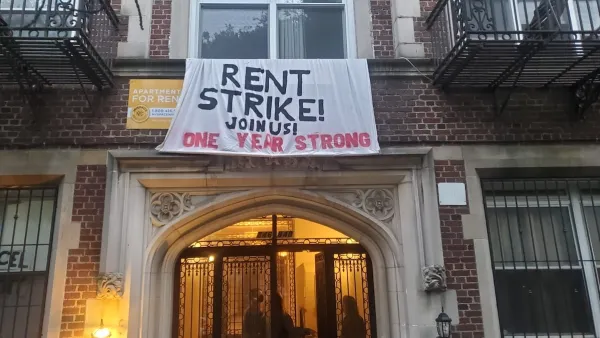
What Zohran Mamdani’s Primary Win Means for the Tenant Movement
The mayoral candidate made a rent freeze central to his campaign. Here's how his supporters used in-person campaigning to clinch a victory, and what's ahead.
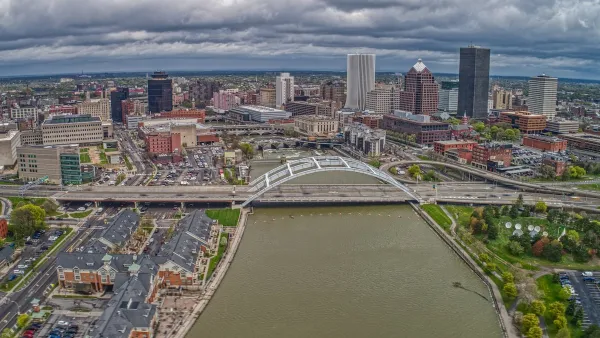
Rochester Approves Tenant Protections
The city adopted the strictest possible version of New York state’s ‘Good Cause’ eviction protections, which cap rent increases at 10 percent.

Planetizen Federal Action Tracker
A weekly monitor of how Trump’s orders and actions are impacting planners and planning in America.

The state-sanctioned urbicide of Austin
People don’t kill cities. Freeways do.

US to reduce Colorado River water deliveries to Mexico
A new Colorado Treaty amendment reduces Mexico’s Colorado River water allocation by 250,000 acre feet.

Baltimore to break ground on $50 million Transit Priority Project
The project will bring faster bus trips, safer streets and better bike connections to Baltimore.

Airbnb launches $250 million 'last-dollar financing' housing accelerator, makes first investment in Austin
The company will put $6.4 million towards affordable housing development in Texas’ capital.

Guerilla urbanists are building DIY bus stop benches in Chicago
A before-and-after of one of the bus stops with a new bench. The new benches are not officially sanctioned or permitted, but the residents who placed them hope they will be the start of a network of DIY benches across the city.

FREE Course: Walkable City 1: Why Walkability?
After describing his path towards focusing on walkability as the essence of good planning, Jeff Speck marches through his five principal reasons for making more walkable places.
Reinventing Malls: Planning Alchemy—Turning Gray Fields Into Gold
The course focuses on the opportunities and imperatives that shape reinvention of mall sites.

Eagle County Government
Harvard University Graduate School of Design
Nashville Planning Department
The Architects Foundation
University of Cincinnati Online
The Pocatello Development Authority
The Urban Renewal Agency of the City of Pocatello
Journal of the American Planning Association