The mayoral candidate made a rent freeze central to his campaign. Here's how his supporters used in-person campaigning to clinch a victory, and what's ahead.


In a major political upset, Assemblyman Zohran Mamdani won the Democratic primary for New York City mayor after making rent freezes and tenant organizing central to his campaign. The New York State Tenant Bloc reached tens of thousands of rent-stabilized tenants through direct outreach and a focused “Freeze the Rent” campaign.
The win is seen as a landmark moment for tenant power, demonstrating that bold housing demands can bring success at the polls. It also had an immediate policy impact—current Mayor Eric Adams, facing pressure, urged the Rent Guidelines Board to approve the lowest possible rent increase just days after the primary.
While the board ultimately voted to raise rents, the momentum from Mamdani’s victory showed how housing justice can be a decisive issue in urban politics. Organizers view the campaign as a model for tenant-centered movements in other cities, with implications for both local policy and national organizing strategies. The victory signals a shift toward recognizing rent and affordability as core political issues.
FULL STORY: What Zohran Mamdani’s Primary Win Means for the Tenant Movement

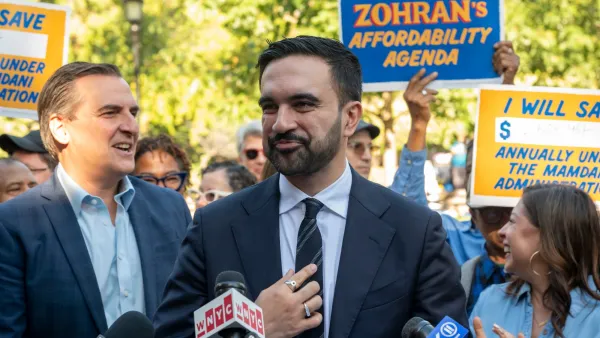
NYC Mayor Mamdani Backs Down on Expanded Rental Assistance Program, Citing $7 Billion Deficit
The new mayor had promised to expand the CityFHEPS rent assistance program to an additional 47,000 households.
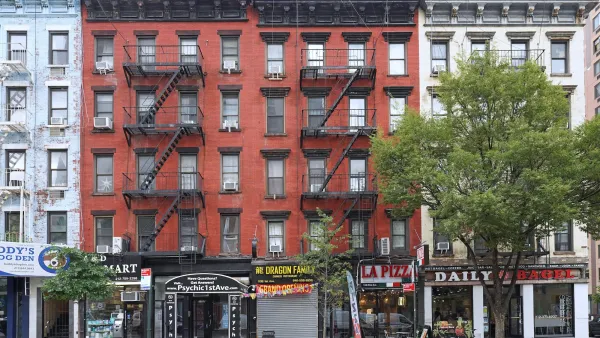
NYC Rent Transparency Act Requires Public Notices on Rent-stabilized Apartments
The new law requires publicly posted notices in all buildings with at least one rent-stabilized unit.
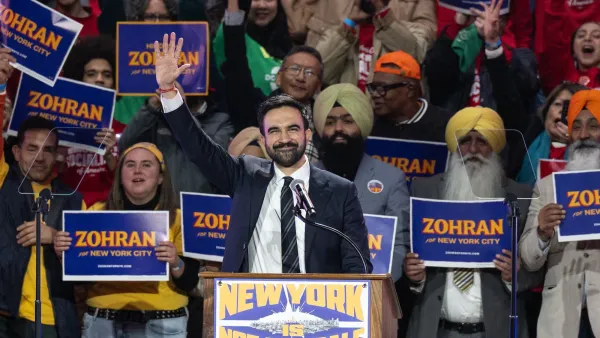
NYC Mayor Mamdani’s First Executive Orders Focus on Tenant Protections, Reverse Adams Orders
A Mamdani order revokes all executive orders issued by former mayor Eric Adams, including one that created a city office focused on cryptocurrency.

Planetizen Federal Action Tracker
A weekly monitor of how Trump’s orders and actions are impacting planners and planning in America.

The state-sanctioned urbicide of Austin
People don’t kill cities. Freeways do.

US to reduce Colorado River water deliveries to Mexico
A new Colorado Treaty amendment reduces Mexico’s Colorado River water allocation by 250,000 acre feet.

5 New England states march closer to 800 megawatt wind energy project
Securing federal approval for the project may be complicated under the Trump administration, which has historically been hostile towards domestic wind power.

Baltimore to break ground on $50 million Transit Priority Project
The project will bring faster bus trips, safer streets and better bike connections to Baltimore.

Airbnb launches $250 million 'last-dollar financing' housing accelerator, makes first investment in Austin
The company will put $6.4 million towards affordable housing development in Texas’ capital.

FREE Course: Walkable City 1: Why Walkability?
After describing his path towards focusing on walkability as the essence of good planning, Jeff Speck marches through his five principal reasons for making more walkable places.
Reinventing Malls: Planning Alchemy—Turning Gray Fields Into Gold
The course focuses on the opportunities and imperatives that shape reinvention of mall sites.


Eagle County Government
Harvard University Graduate School of Design
Nashville Planning Department
The Architects Foundation
University of Cincinnati Online
The Pocatello Development Authority
The Urban Renewal Agency of the City of Pocatello
Journal of the American Planning Association