Years ago, officials in dozens of cities and states showed interest in passing legislation that required landlords to accept alternatives to the traditional lump-sum security deposit. Today, much of that momentum has diminished.


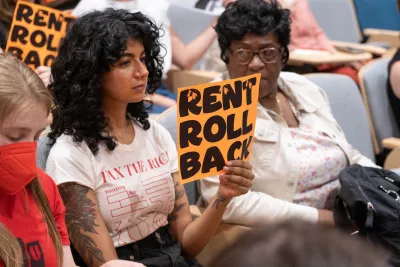
“Renter’s Choice” legislation gained national attention in the early 2020s as a potential solution to rising security deposits, but most of that momentum has stalled.
Shelterforce revisits the issue, revealing why interest waned. For example, many proposals relied on surety bond products marketed as “renter’s insurance” that ultimately created financial risks for tenants. The piece offers a clear policy update on where the movement stands today and what alternatives local governments are now pursuing.
Instead, cities like Columbus, Baltimore, and Philadelphia have chosen different strategies to high upfront moving costs — installment plans, grants, and limits on high deposits.
FULL STORY: What Happened to ‘Renter’s Choice’ Legislation?

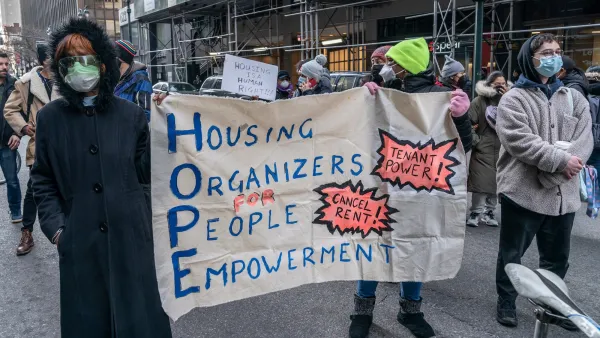
NYC 'Rental Ripoff' report calls for crackdown on negligent landlords
The report outlines strategies for empowering renters and transferring properties from 'low-road' landlords to those who focus on improved tenant outcomes.

Cities and States Taking Action to Limit Rent-Setting AI
Federal prosecutors are charging a software company with using algorithms to artificially inflate rents.

How New California Housing Laws Will Impact Renters
Laws going into effect this year will affect regulations around security deposits, credit checks, and even e-scooters.

The state-sanctioned urbicide of Austin
People don’t kill cities. Freeways do.

US to reduce Colorado River water deliveries to Mexico
A new Colorado Treaty amendment reduces Mexico’s Colorado River water allocation by 250,000 acre feet.

New Jersey’s second-largest city bans standalone data centers
Jersey City will continue to allow co-location facilities, such as those meant for research institutions that store their own data.

Amtrak not solely to blame for New Jersey commuter rail's unreliability, report finds
A new study from the Garden State Initiative found that NJ Transit’s budget grew 20% across a 4 year period, but reliability declined significantly over the same period.

EPA erases limits on planet-warming pollution from power plants
Under Monday’s plan, power plants would still have some limits on how much mercury, arsenic and other contaminants they can emit.

Phoenix announces new on-demand transit service, more frequent RAPID buses
Both new services will launch in October, and are part of Phoenix's Project Effective Access Solutions for Easing Congestion.

FREE Course: Walkable City 1: Why Walkability?
After describing his path towards focusing on walkability as the essence of good planning, Jeff Speck marches through his five principal reasons for making more walkable places.
Reinventing Malls: Planning Alchemy—Turning Gray Fields Into Gold
The course focuses on the opportunities and imperatives that shape reinvention of mall sites.

Eagle County Government
Harvard University Graduate School of Design
Nashville Planning Department
The Architects Foundation
University of Cincinnati Online
The Pocatello Development Authority
The Urban Renewal Agency of the City of Pocatello
Journal of the American Planning Association