The city of Cleveland recently announced plans to more than double its amount of bike routes in an effort to complete a network of bicycle-friendly infrastructure that connects all of the city’s neighborhoods.


The city of Cleveland is advancing as a bike- and pedestrian-friendly town, even making the list of cities that grew its share of bike commuters most between 1990 and 2012.
With the growing popularity of biking in mind, the city announced an updated bikeway plan that will almost double its current 47.5-mile bicycle infrastructure network by the end of 2017. The plan would add 45 miles of bikeways over the next two years, and 25.6 in the two years following, adding a total of 70 miles in the process.
Alison Grant reports that the “overall goal is to connect every Cleveland neighborhood to a bikeway network.” Grant quotes Jenita McGowan, the city's chief of sustainability in describing the city’s current unconnected patchwork: "It's a lot of bicycling to nowhere.”
Moreover: “Aside from the changes that are part of upcoming Cleveland street projects, the city has identified another 82.5 miles of roads that could be eligible for cycling-related improvements such as restriping and signage. Cleveland has about $1 million earmarked for the work.”
“If it all pans out, the city could have a 200-mile bike network by the end of of 2018.”
Read the full story: Cleveland plans to add 70 miles of bikeways by the end of 2017
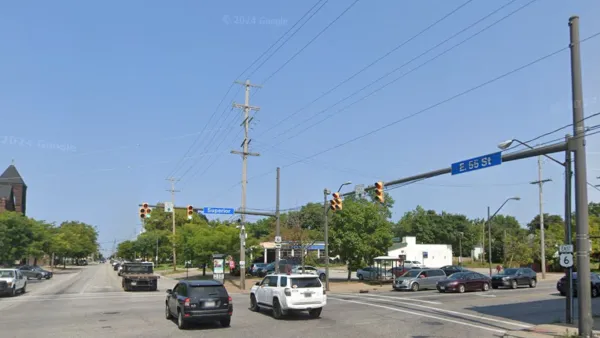
Cleveland to Boost Bike Safety With New Bike Lanes, School Programs
The program, using curriculum created by Cleveland Bikes, is part of a broader effort to improve safety along school routes.
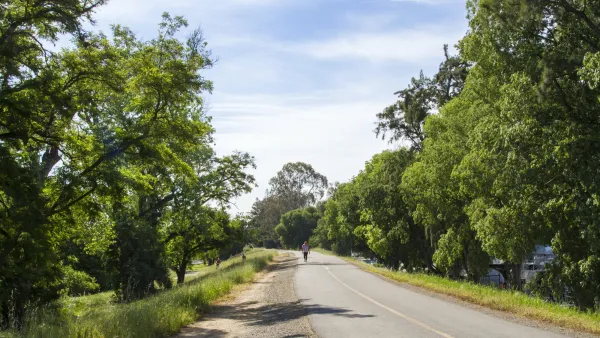
Regional Bikeway System Planned for Sacramento Area
The proposed network would improve connectivity between the area's existing bikeways and increase access to regional job centers.
'Midway' Plan to Transform Cleveland's Old Streetcar Routes to Bike Paths
A coalition of bike advocates and planners have proposed what would be one of the country's most ambitious bike infrastructure projects: transforming the former rights-of-way of Cleveland's street car system into protected bikeways.

Planetizen Federal Action Tracker
A weekly monitor of how Trump’s orders and actions are impacting planners and planning in America.

California plans to bury El Niño’s downpour
If the state plays its cards right, it may be able to store a billion acre-feet of El Niño’s water in aquifers.

Desperate measures: Advocates weigh draining Lake Powell to fill Colorado River
Draining the reservoir could reduce evaporation losses by a couple hundred thousand acre-feet.

Chicago voters approve permanent festival grounds, penalty for vacant property owners
Currently, major summer and fall festivals take over public parks for weeks at a time, drawing criticism from nearby residents

NYC votes to cut outdoor dining red tape, speed up permitting
New York City also voted to allow the Department of Transportation to begin work on urgent projects before notifying elected officials.

California appears to reject Prop. 45
The proposition would have expanded the projects that qualify for a streamlined environmental review, effectively paring down the California Environmental Quality Act.

FREE Course: Walkable City 1: Why Walkability?
After describing his path towards focusing on walkability as the essence of good planning, Jeff Speck marches through his five principal reasons for making more walkable places.
Reinventing Malls: Planning Alchemy—Turning Gray Fields Into Gold
The course focuses on the opportunities and imperatives that shape reinvention of mall sites.

City of Rosemead
Rutgers University, Edward J. Bloustein School of Planning and Public Policy
One Hundred Miles
Hunter College, City University of New York (CUNY)
The Architects Foundation
University of Cincinnati Online
City of Cambridge
Montrose County
The Pocatello Development Authority