On the 90th anniversary of the founding of modern Turkey, officials realized a vision dreamt by an Ottoman sultan by inaugurating a rail tunnel beneath the Bosporus to connect Asia and Europe. Critics have questioned the tunnel's safety.


On Tuesday, "Officials cut the ribbon on a $4 billion, 8.5-mile rail tunnel that runs almost 200 feet below the Bosporus seabed, part of a broader project called the Marmaray meant to bind Europe and Asia closer together, ease congestion in [Istanbul] and, in more grandiose visions, eventually form part of a trade route between Europe and China," report Ceylan Yeginsu and Alan Cowell.
Though the project took nine years to complete thanks, in part, to archaeological discoveries, some are questioning if its opening is being rushed to meet the symbolic opening date. “The part that is in service is very limited,” a city planner, Tayfun Kahraman, told Agence France-Presse. “We are wondering why this inauguration is happening so soon.”
"The biggest issues seem to be that the tunnel still lacks an electronic security system and that it could flood," explain Yeginsu and Cowell. "Suleyman Solmaz, a senior figure at the Chamber of Architects and Engineers, said 'it would be murder to open it under these conditions,' and added that an engineer on the project told him he would not dare ride through the tunnel until those issues were addressed."
Read the full story: Amid Debate Over Safety, Turkey Unveils Bosporus Tunnel

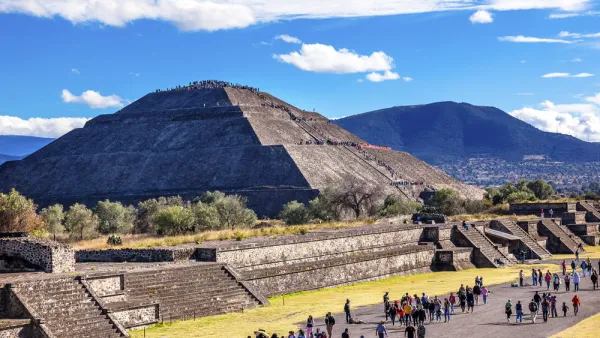
Friday Eye Candy: Images of the World's Cities Through History
Tour the history of the world's most famous cities.
Hokkaido Shinkansen Now in Service
As of Saturday, Hokkaido, Japan's northernmost island, was connected to Tokyo by the newest addition to Japan's iconic Shinkansen bullet trains. The 513-mile route includes 33.4 miles in "the world's deepest operational main-line rail tunnel."
New Report Explores the Benefits of BRT
By synthesizing existing literature and utilizing four detailed case studies, a new report from EMBARQ explores how bus rapid transit can impact the quality of life, productivity, health, and safety of city residents.

Planetizen Federal Action Tracker
A weekly monitor of how Trump’s orders and actions are impacting planners and planning in America.
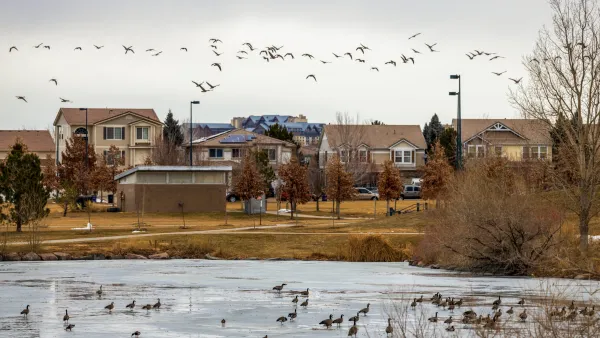
Colorado’s Largest Data Center Could Rise Next to Homes — Without a Public Hearing
The proposed campus would consume 11 times the power of Denver International Airport; as it has across the country, opposition mounts.

US to reduce Colorado River water deliveries to Mexico
A new Colorado Treaty amendment reduces Mexico’s Colorado River water allocation by 250,000 acre feet.
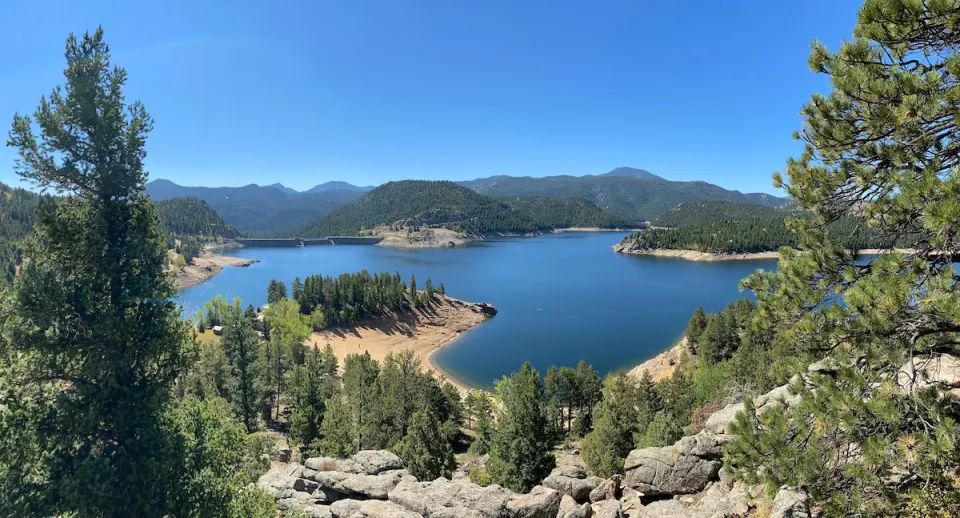
Judges permit Denver to divert 77,000 acre feet from the Colorado River for reservoir expansion
Overuse and climate change have caused the Colorado River’s water levels to plummet.
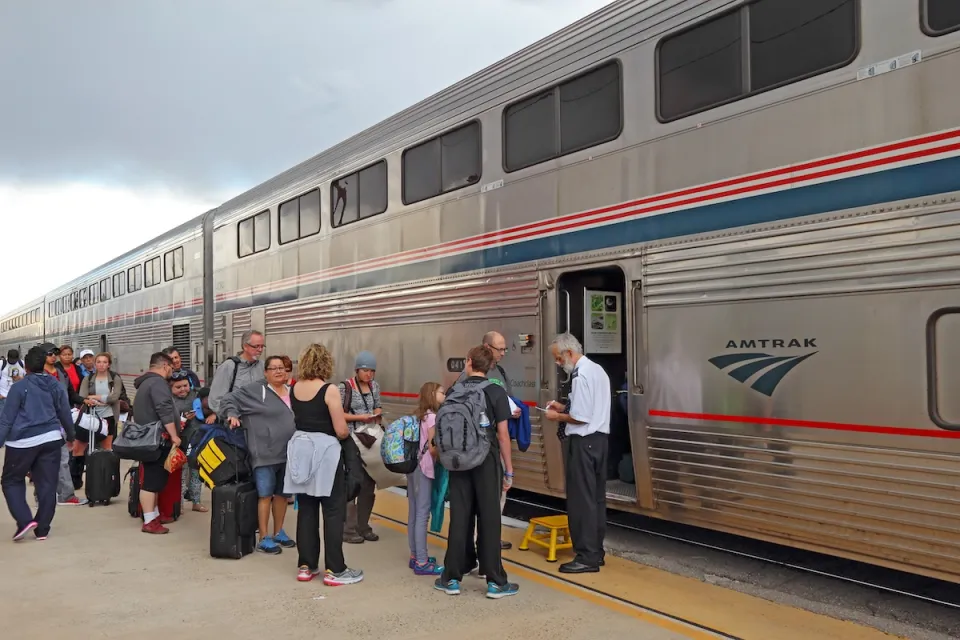
Amtrak, CN end decades-long dispute with eight-year agreement
The new operating agreement establishes an updated framework for the companies to work together, including processes to resolve disputes.
Raised interest rates may kill financially vulnerable construction projects
The chief economist at ConstructConnect warns that if construction project owners are negatively impacted by the raised rates, it could result in delayed payments to contractors.

FREE Course: Walkable City 1: Why Walkability?
After describing his path towards focusing on walkability as the essence of good planning, Jeff Speck marches through his five principal reasons for making more walkable places.
Reinventing Malls: Planning Alchemy—Turning Gray Fields Into Gold
The course focuses on the opportunities and imperatives that shape reinvention of mall sites.

KFH Group Inc.
Greater Baltimore Committee
Eagle County Government
The Architects Foundation
University of Cincinnati Online
The Pocatello Development Authority
The Urban Renewal Agency of the City of Pocatello