China's rapid rebuilding effort has produced mountains of debris as old cities are replaced with gleaming new metropolises. Illegal dumping is coming under fire as it gets more and more difficult to conceal the evidence.


"While the problem is often concealed, with hundreds of millions of tons of waste quietly dumped on the outskirts of China’s major cities each year, the rate of growth has made it increasingly inescapable," writes Austin Ramzy. "Now, hardly a week goes by without residents of some suburban enclave or village near a major metropolis waking to discover an illegal waste dump rising near their homes."
"China’s economic growth has seen increases in all sorts of waste, as consumers buy, and throw away, much more than ever before. But while Chinese cities have extensive recycling networks, with rag-pickers pedaling three-wheeled bicycles to buy and sell all sorts of plastic, metal and paper waste, construction debris is almost completely discarded."
Read the full story: China’s Mountains of Construction Rubble

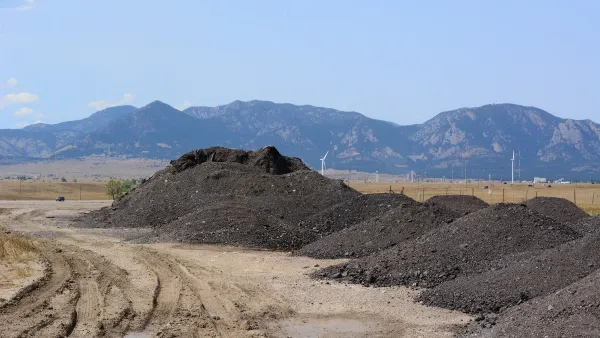
Colorado Ramps Up Rural Recycling Program
The state is creating a framework for building better access to recycling facilities and services for rural residents and businesses.
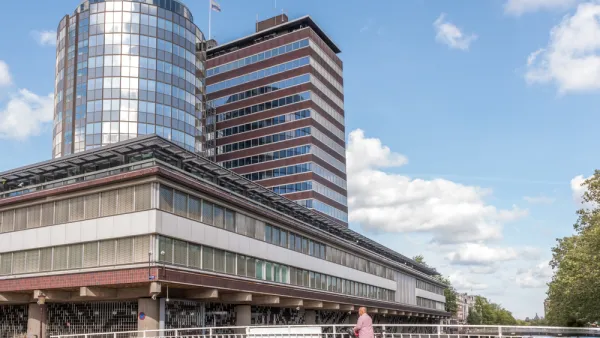
The Cradle-to-Cradle Approach to Building
The circular economy. Cradle-to-cradle. The regenerative economy. Whatever you call it, an approach to building that eliminates waste would transform the next generation of the built environment.

The Moral Foundations of Public Support For Environmentalism and Public Transit
Why do green transportation policies attract less intense support than environmentalist policies related to waste and litter?

Planetizen Federal Action Tracker
A weekly monitor of how Trump’s orders and actions are impacting planners and planning in America.

Amtrak, CN end decades-long dispute with eight-year agreement
The new operating agreement establishes an updated framework for the companies to work together, including processes to resolve disputes.

Judges permit Denver to divert 77,000 acre feet from the Colorado River for reservoir expansion
Overuse and climate change have caused the Colorado River’s water levels to plummet.

Maryland local governments examine if they should have more power to raise property taxes
Maryland’s housing market is out of reach for the majority of moderate-income residents.

Northwest rail fans eager for Sept. 30 debut of Amtrak’s Airo fleet
Get ready for that new train smell and more seats. But they won’t go faster or run more frequently on the Cascades route in Washington and Oregon.

NYC DOT wants faster, more permanent street upgrades
The city is examining ways to build more concrete infrastructure without getting entangled in 'decades-long' projects.

FREE Course: Walkable City 1: Why Walkability?
After describing his path towards focusing on walkability as the essence of good planning, Jeff Speck marches through his five principal reasons for making more walkable places.
Reinventing Malls: Planning Alchemy—Turning Gray Fields Into Gold
The course focuses on the opportunities and imperatives that shape reinvention of mall sites.

Harvard University Graduate School of Design
KFH Group Inc.
Greater Baltimore Committee
The Architects Foundation
University of Cincinnati Online
The Pocatello Development Authority
The Urban Renewal Agency of the City of Pocatello