25 years ago, the conversion of 1950's era public housing into a mixed-income community on Columbia Point in Boston provided the template for the federal government's Hope VI program. How has this seminal project withstood the test of time?


"The model for the Hope VI program was a pioneering housing experiment in Boston called Harbor Point, the nation’s first attempt to transform a large dysfunctional federal public housing project into a mixed-income planned community," writes Witold Rybczynski, who details the developer, design, and management decisions that have rendered the conversion an enduring success.
"So, what did it take to make Harbor Point a success? A visionary and committed developer + a responsive architect + the active participation of low-income residents + an experienced property management team. Not a simple formula. But to paraphrase Winston Churchill: It could be said that Harbor Point is the least likely model for public housing, except for all the others that have been tried."
Read the full story: Radical Revival

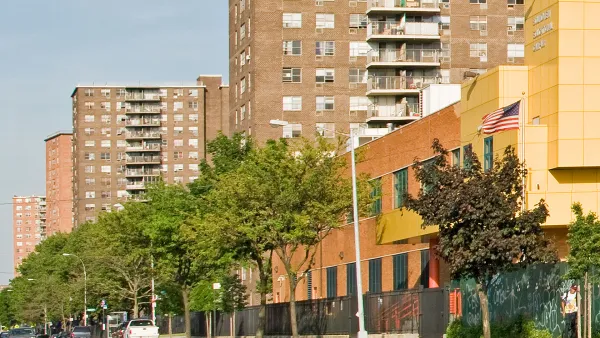
How a Philadelphia Mayoral Candidate Influenced U.S. Public Housing
Former HUD counsel and current Philadelphia mayoral contender Nelson Diaz laid the groundwork for "entrepreneurial" approaches to public housing. Whether the resulting projects were effective is up for debate.

Boston sues Trump administration over revoked infrastructure grant
The Trump administration withdrew the infrastructure grant because less than 1% of the money would go to electric vehicle charging infrastructure.
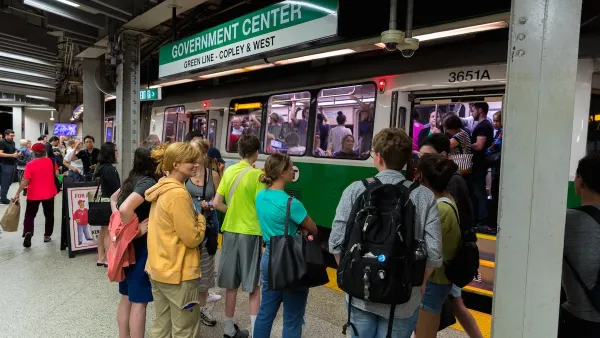
Boston has spent millions making the Green Line more accessible — and there’s no end in sight
While the city has invested millions into expanding and adding platforms to the Green Line to make it more accessible, new train cars set to arrive next year will be too tall for disabled passengers to board without raising the current platforms.

Planetizen Federal Action Tracker
A weekly monitor of how Trump’s orders and actions are impacting planners and planning in America.

‘Going backwards:’ Baltimore mayor, students rally against state's transit funding plan
Maryland's proposed six-year plan provides no funding for Baltimore’s BMORE bus program and reduces its road maintenance funding.

Detroit to transform waterfront with $2.2 billion investment
Developers will convert about 18 acres of unused parking lot space into civic spaces.

Data center developers are using lawsuits, cash offers to ‘overwhelm’ rural America
Newsrooms in five states worked together to uncover the tactics big tech developers use to buy land from reluctant communities.

U.S.-Iran war may have ‘devastating’ impact on cost to warm homes
Vermont and Maine residents may see a 76% increase in the cost of warming their homes this winter.

Senate bill would ‘overhaul’ environmental permitting laws
Under the proposed act, government agencies would also not be able to suspend or rescind permits after granting them.

FREE Course: Walkable City 1: Why Walkability?
After describing his path towards focusing on walkability as the essence of good planning, Jeff Speck marches through his five principal reasons for making more walkable places.
Reinventing Malls: Planning Alchemy—Turning Gray Fields Into Gold
The course focuses on the opportunities and imperatives that shape reinvention of mall sites.

One Hundred Miles
County of Mendocino
planning NEXT
The Architects Foundation
University of Cincinnati Online
Montrose County
Northern Illinois Transit Authority (NITA)
The Pocatello Development Authority