The rapid recovery of the housing market has caught America's home builders off guard with record low levels of inventory. The return of "bubblelike price jumps" and bidding wars are causing problems for buyers and sellers alike.


"After six years of waiting on the sidelines, newly eager home buyers across the country are discovering that there are not enough houses for sale to accommodate the recent flush of demand," reports Catherine Rampell.
"The housing turnaround seems to have caught almost everyone in the business by surprise. As desirable as the long-awaited improvement may be, the unusually low level of homes for sale is creating widespread problems for buyers and sellers alike, leading to bidding wars and bubblelike price jumps in places that not long ago were suffering from major declines."
"In many areas, builders are scrambling to ramp up production but face delays because of the difficulty of finding construction workers and in obtaining permits from suddenly overwhelmed local authorities," she explains. "At the same time, homeowners — many of them lifted above water for the first time in years — often remain reluctant to sell, either because they want to wait and see how much further prices will climb or because they are afraid of being displaced in the sudden buying frenzy."
Read the full story: Sudden Rise in Home Demand Takes Builders by Surprise
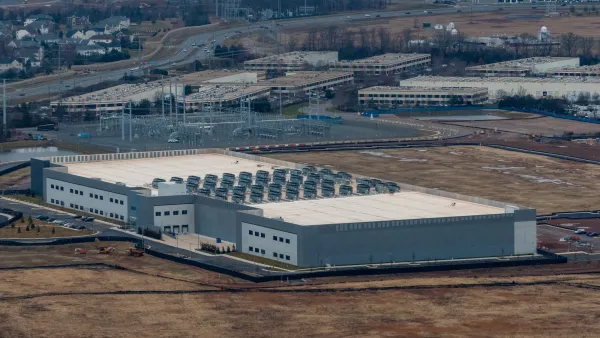
Data center developer offers over $4M per acre to buy out homeowners
Data center builders are outbidding home builders for land, prompting concerns about competition with housing.
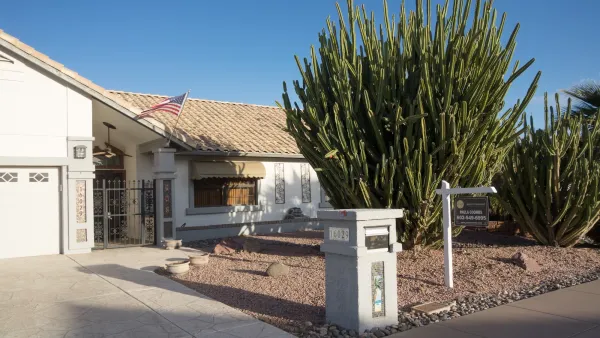
Phoenix, Tampa top list of housing markets with the most price cuts
Nearly a third of Phoenix homes for sale had price cuts last April.

Just 5% of Idaho Homes Affordable to Middle-Income Households
Idaho is in the top six least affordable states for the middle income bracket.

Planetizen Federal Action Tracker
A weekly monitor of how Trump’s orders and actions are impacting planners and planning in America.

California plans to bury El Niño’s downpour
If the state plays its cards right, it may be able to store a billion acre-feet of El Niño’s water in aquifers.

Desperate measures: Advocates weigh draining Lake Powell to fill Colorado River
Draining the reservoir could reduce evaporation losses by a couple hundred thousand acre-feet.

Los Angeles just elected an urban planner as its mayor
Transportation analysts are optimistic that Raman will be more aggressive in addressing transit issues than Bass.

Mamdani’s pied-à-terre tax survives legal challenge
A panel of judges found that the plaintiffs failed to demonstrate injury as a result of New York City's implementation of the tax.

Eastern Nebraska is running out of electricity
Data centers and electrification are straining eastern Nebraska’s grid, throttling economic development.

FREE Course: Walkable City 1: Why Walkability?
After describing his path towards focusing on walkability as the essence of good planning, Jeff Speck marches through his five principal reasons for making more walkable places.
Reinventing Malls: Planning Alchemy—Turning Gray Fields Into Gold
The course focuses on the opportunities and imperatives that shape reinvention of mall sites.

City of Rosemead
Rutgers University, Edward J. Bloustein School of Planning and Public Policy
One Hundred Miles
University of Michigan School for Environment and Sustainability (SEAS)
Hunter College, City University of New York (CUNY)
The Architects Foundation
City of Cambridge
Montrose County
The Pocatello Development Authority