From Niagara Falls comes news that the State of New York will rip out a two-mile stretch of the Robert Moses Parkway, which has divided city residents from the scenic Niagara Gorge for a half-century.



"Giving in to decades of local pleas to remove the Robert Moses Parkway, State Parks officials on Wednesday pledged to remove the highway from downtown Niagara Falls to its northern neighborhoods, and possibly farther," reports Charlie Specht. "The highway, which stretches along the city’s waterfront, was built by Moses, the state’s 'master builder,' in the 1960s as a supplement to the Niagara Power Project. The road provided unparalleled views of the Niagara Gorge to motorists but cut off generations of city residents from the waterfront and diverted traffic outside of the central business districts of Niagara Falls."
"The move would connect city streets – currently walled off by fences and guardrails – to the breathtaking but largely untapped asset that is the gorge, raising property values and potentially saving neighborhoods that are slipping into decay," writes Specht. "In its place will be native plantings and a multi-use nature trail that could feature hiking, biking, cross-country skiing, horseback riding and even zip-lining, all of which will be accessible from city streets for the first time in more than 50 years.
Mayor Paul Dyster said, “I don’t think there’s anything that could be more impactful to the revitalization of downtown and the city’s North End business district than dealing with the Robert Moses Parkway. We’ve been dealing with this for some time, and we’re anxious to see some action.”
Read the full story: State will rip out Robert Moses Parkway in Niagara Falls

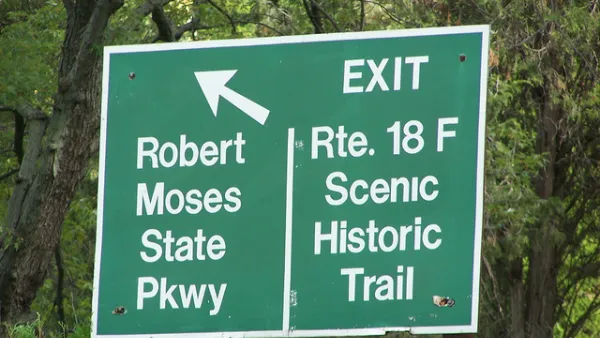
$3.5 Million Awarded to Further the Demise of the Robert Moses Parkway
The state of New York this week took another step toward removing two miles of the Niagara Scenic Parkway (formerly known as the Robert Moses Parkway).
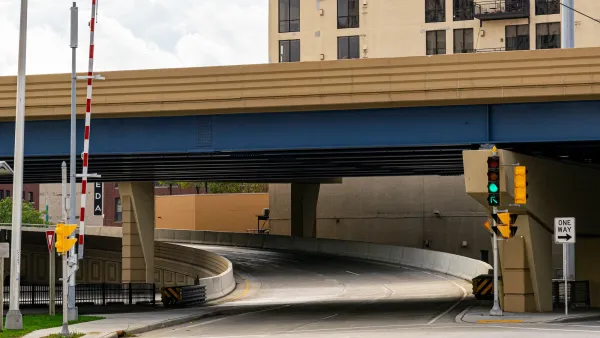
Milwaukee mayor abandons highway removal plan
Mayor Johnson spoke in opposition to a proposed plan to turn part of I-794 into an at-grade boulevard, expressing concerns about traffic.
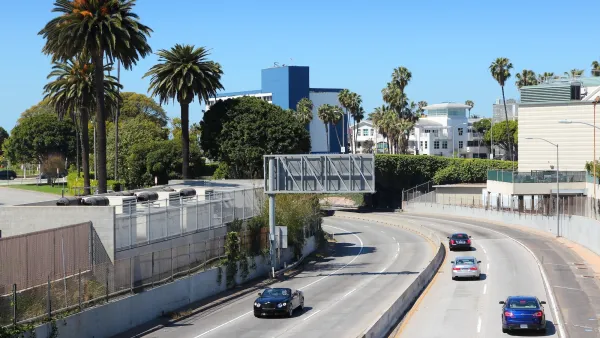
Santa Monica gets $2M grant to study I-10 freeway cap
City officials want to explore capping or even removing a portion of the freeway in the Pico neighborhood.

Planetizen Federal Action Tracker
A weekly monitor of how Trump’s orders and actions are impacting planners and planning in America.

‘Going backwards:’ Baltimore mayor, students rally against state's transit funding plan
Maryland's proposed six-year plan provides no funding for Baltimore’s BMORE bus program and reduces its road maintenance funding.

Detroit to transform waterfront with $2.2 billion investment
Developers will convert about 18 acres of unused parking lot space into civic spaces.

Data center developers are using lawsuits, cash offers to ‘overwhelm’ rural America
Newsrooms in five states worked together to uncover the tactics big tech developers use to buy land from reluctant communities.

U.S.-Iran war may have ‘devastating’ impact on cost to warm homes
Vermont and Maine residents may see a 76% increase in the cost of warming their homes this winter.

Senate bill would ‘overhaul’ environmental permitting laws
Under the proposed act, government agencies would also not be able to suspend or rescind permits after granting them.

FREE Course: Walkable City 1: Why Walkability?
After describing his path towards focusing on walkability as the essence of good planning, Jeff Speck marches through his five principal reasons for making more walkable places.
Reinventing Malls: Planning Alchemy—Turning Gray Fields Into Gold
The course focuses on the opportunities and imperatives that shape reinvention of mall sites.

One Hundred Miles
County of Mendocino
planning NEXT
The Architects Foundation
University of Cincinnati Online
Montrose County
Northern Illinois Transit Authority (NITA)
The Pocatello Development Authority