Tom Madrecki has compiled a roundup of how local land use and transportation related measures fared on Tuesday night. From Maine to Marin, voters approved initiatives to invest in transit, parks, redevelopment, and conservation.


"The good news," says Smart Growth America President and CEO Geoffrey Anderson, "is that across the nation last night, we saw widespread
support for investing in our existing communities. When voters see the
real benefits of putting their tax dollars into a project, they're very
much inclined to support it, no matter what kind of town they're from."
The approval of ballot measures in communities including Arlington, VA; Longmont, CO; and Everett, WA, "highlighted voters' strong support for neighborhood reinvestment and community building." Notable failures were in Alameda and Los Angeles, CA, were voters narrowly rejected sales tax for transportation measures, and Memphis where, "voters strongly rejected a one cent per gallon gas tax to fund transit operations."
"Where ballot initiatives passed, residents found common ground
strengthening their towns and cities at a local level," Anderson says.
"In an era where money is tight for governments and households, every
dollar is being scrutinized, so it's remarkable how many of these
initiatives passed. And of those that didn't, several nonetheless had
the support of a majority of voters."
Read the full story: Voters say ‘yes’ to great neighborhoods, transportation choices via Tuesday ballot initiatives
The Biggest Transportation Winner on the Nov. 4 Ballot
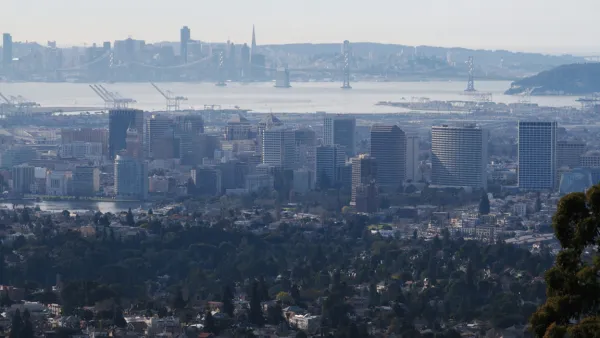
The ballot measure generating the most new transportation funds approved by voters this month was in Alameda County, Calif. Voters chose to double an existing sales tax to one percent and extend it to 2045, raising $7.8 billion over 30 years.
California city permanently bans data centers
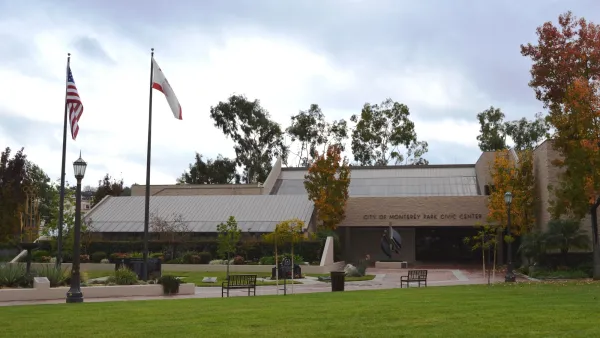
A ballot measure to indefinitely ban data centers from Monterey Park was approved by roughly 86% of voters in a special election in June.
80% of Public Transit Measures Passed in Last Week’s Elections
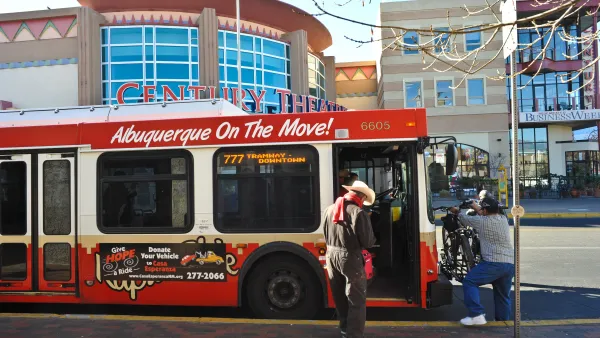
Around the country, voters said yes to supporting public transit.

Planetizen Federal Action Tracker
A weekly monitor of how Trump’s orders and actions are impacting planners and planning in America.

California plans to bury El Niño’s downpour
If the state plays its cards right, it may be able to store a billion acre-feet of El Niño’s water in aquifers.

Desperate measures: Advocates weigh draining Lake Powell to fill Colorado River
Draining the reservoir could reduce evaporation losses by a couple hundred thousand acre-feet.

Los Angeles just elected an urban planner as its mayor
Transportation analysts are optimistic that Raman will be more aggressive in addressing transit issues than Bass.

Mamdani’s pied-à-terre tax survives legal challenge
A panel of judges found that the plaintiffs failed to demonstrate injury as a result of New York City's implementation of the tax.

Eastern Nebraska is running out of electricity
Data centers and electrification are straining eastern Nebraska’s grid, throttling economic development.

FREE Course: Walkable City 1: Why Walkability?
After describing his path towards focusing on walkability as the essence of good planning, Jeff Speck marches through his five principal reasons for making more walkable places.
Reinventing Malls: Planning Alchemy—Turning Gray Fields Into Gold
The course focuses on the opportunities and imperatives that shape reinvention of mall sites.

City of Rosemead
Rutgers University, Edward J. Bloustein School of Planning and Public Policy
One Hundred Miles
University of Michigan School for Environment and Sustainability (SEAS)
Hunter College, City University of New York (CUNY)
The Architects Foundation
City of Cambridge
Montrose County
The Pocatello Development Authority