Montreal architect Vedanta Balbahadur writes about his hometown's fall from its status as Canada's premier city through the lenses of baseball and the built environment.


The first Canadian city to host a World's Fair and Olympic Games and the first outside of the United States to acquire a major league baseball franchise, Montreal's thriving economy, modernist building boom, and future-oriented outlook attracted attention from around the world in the middle of the twentieth century. Since then, however, the city has seemed to rest on its laurels. Despite its undeniable charms, it is now in some ways seen as an example of how not to build a city, with crumbling infrastructure that has become the butt of jokes across Canada.
Balbahadur explores this evolution in detail and describes his speculative vision for restoring some of Montreal's lost glory: a new baseball stadium and public park designed for the return of a major league team.
Thanks to Sarah Wesseler
Read the full story: Baseball, Architecture, and the City of the Future


Federal Government Will no Longer Recognize Architects as ‘Professionals’
The change could dramatically impact how many people can afford to enter graduate professional degree programs.

Editorial: Toronto’s Snow Clearing Plan Isn’t Fair
The city’s plan for dealing with snow and ice on sidewalks this winter doesn't address past problems and won't meet the needs of residents, say critics.
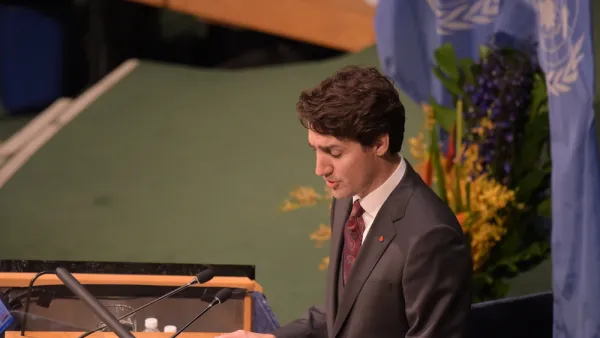
Trudeau Reveals Huge Plan to Build New Canadian Infrastructure
In an effort to stimulate the Canadian economy and modernize Canada's infrastructure Prime Minister Justin Trudeau released a plan to spend $120 billion CAD on infrastructure over the next decade.

Planetizen Federal Action Tracker
A weekly monitor of how Trump’s orders and actions are impacting planners and planning in America.

‘Going backwards:’ Baltimore mayor, students rally against state's transit funding plan
Maryland's proposed six-year plan provides no funding for Baltimore’s BMORE bus program and reduces its road maintenance funding.
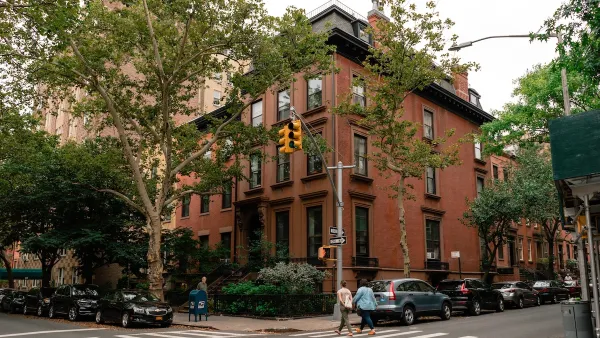
Mamdani sent nearly 6,000 pied-à-terre tax warnings to homes that didn’t qualify
A judge has ordered the administration to cancel thousands of pied-à-terre tax notices after it sent 35% of them erroneously.

Newsom vetoes high-speed rail supervision bill after agency receives condemnatory audit
The audit found the CHSRA approved almost $600,000 in unallowable travel expenses.

Nation sees first electric plane-boat hybrid take off in public demo
The Viceroy Seaglider can fly at speeds of 180mph for up to 180 miles.

One of nation’s poorest counties to receive $6 billion data center
The developers estimate the project will create 200 permanent jobs and 1,000 temporary construction jobs.

FREE Course: Walkable City 1: Why Walkability?
After describing his path towards focusing on walkability as the essence of good planning, Jeff Speck marches through his five principal reasons for making more walkable places.
Reinventing Malls: Planning Alchemy—Turning Gray Fields Into Gold
The course focuses on the opportunities and imperatives that shape reinvention of mall sites.

City of Thousand Oaks
City of Wisconsin Rapids
Harvard University Graduate School of Design
The Architects Foundation
University of Cincinnati Online
Northern Illinois Transit Authority (NITA)
The Pocatello Development Authority
The Urban Renewal Agency of the City of Pocatello