Emily Badger profiles a new web-based information resource on all things BRT, launched this week by EMBARQ, with the International Energy Agency and the Bus Rapid Transit Centre of Excellence.


Not only is the new Global BRT Data website fun to play with, it's also the most comprehensive compendium of BRT-related information on the web. According to Badger, "The site has information from all 134 international cities, on 95 individual metrics ranging from the length of BRT corridors to the mode of buses used on them, and even the fuel type in their gas tanks."
With BRT quickly expanding across the world, and cities such as Chicago looking for guidance and best practices from those who have come before, no other site had previously compiled information on the successes and challenges faced by the wide range of cities that have implemented systems of their own. That is until this week.
According to Aileen Carrigan, a senior associate with EMBARQ, "The objective of the data set isn't to say that BRT is a superior mode to other public transit modes. But we do think that the 134 cities in the data set have found a reason for BRT in their particular city, and I think some of the data can help people thinking about implementing a BRT to understand what role it could play in the public transit services in that particular city."
Read the full story: Everything You Ever Wanted to Know About Bus Rapid Transit
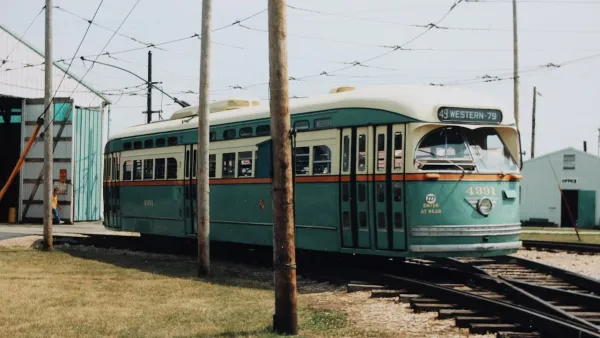
Chicago’s Ghost Rails
Just beneath the surface of the modern city lie the remnants of its expansive early 20th-century streetcar system.
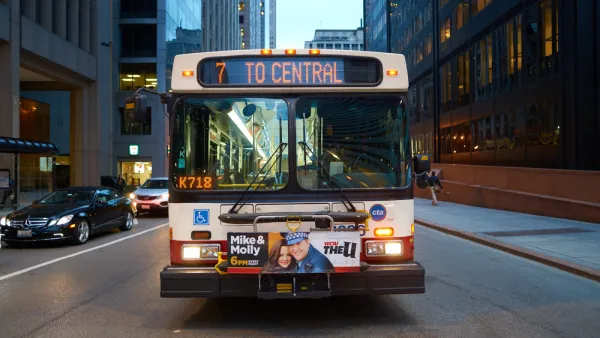
Chicago Pumps the Brakes on BRT
City officials say funding for dedicated bus lanes could take years, but other improvements could speed up bus service.
Chicago Transit Releases 2024 Budget
The agency projects modest ridership growth while aiming to make long-term investments in bus and rail improvements.

Desperate measures: Advocates weigh draining Lake Powell to fill Colorado River
Draining the reservoir could reduce evaporation losses by a couple hundred thousand acre-feet.

Eastern Nebraska is running out of electricity
Data centers and electrification are straining eastern Nebraska’s grid, throttling economic development.

Malls are becoming the midtowns of the future
Mall and office park redevelopments are a generational opportunity to create new nodes of urbanity.

NYC breaks ground on anti-flooding infrastructure project
New York City's new system will reduce stormwater flows to local sewers by 90%.

One Kentucky town’s secret to affordable housing
The Smoketown Community Land Trust has already built seven affordable homes for community members.

Houston gains petal-shaped cooling infrastructure to make streets more ‘delightful’
The city has installed the pavilions along 15 blocks in Houston.

FREE Course: Walkable City 1: Why Walkability?
After describing his path towards focusing on walkability as the essence of good planning, Jeff Speck marches through his five principal reasons for making more walkable places.
Reinventing Malls: Planning Alchemy—Turning Gray Fields Into Gold
The course focuses on the opportunities and imperatives that shape reinvention of mall sites.

City of Rosemead
Rutgers University, Edward J. Bloustein School of Planning and Public Policy
One Hundred Miles
University of Michigan School for Environment and Sustainability (SEAS)
Hunter College, City University of New York (CUNY)
The Architects Foundation
City of Cambridge
Montrose County
The Pocatello Development Authority