The percentage of adult Americans living by themselves has doubled since 1960, to its highest level ever, and businesses are taking note.


Eric Klinenberg writes of a dramatic demographic shift over the last 50 years, in which the percentage of married adults has fallen from more than 70% to only 51% of the adult population. "The extraordinary rise of living alone is among the greatest social changes since the baby boom."
In several large cities, including Denver, Seattle, and Washington D.C., more than 40% of households have just one occupant. In Manhattan it is nearly 50%. The implications of this shift are just beginning to be appreciated by businesses and marketers.
"Singletons play an essential yet unappreciated role in revitalizing cities and animating public spaces. Compared with married people, they're more likely to eat out in cafés and restaurants, exercise in a gym, take art classes, attend public events, and volunteer. Perhaps more important, singletons are fueling the economy. They spend more discretionary dollars than their married counterparts."
Read the full story: Solo nation: American consumers stay single

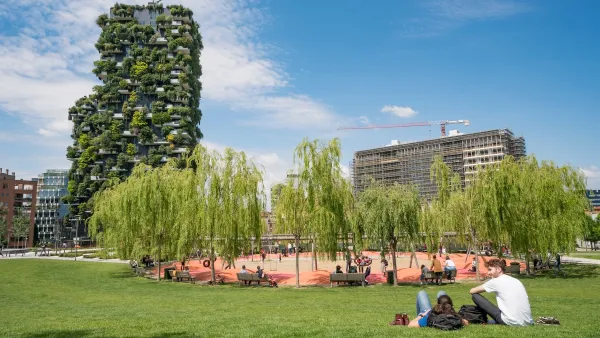
Planning for Love, Part 1: The link between urban form and dating
A brief exploration of dating through history highlights how the spaces in which we live and move shape our social lives and relationships.
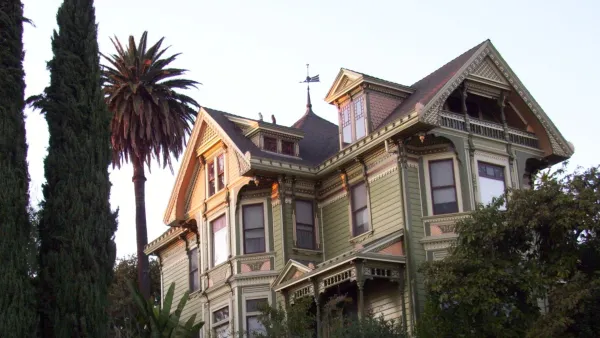
First-Time Home Buyers Look Different Than They Once Did
New home-buyers are a little older and a lot more likely to be single than they were 20 years ago.
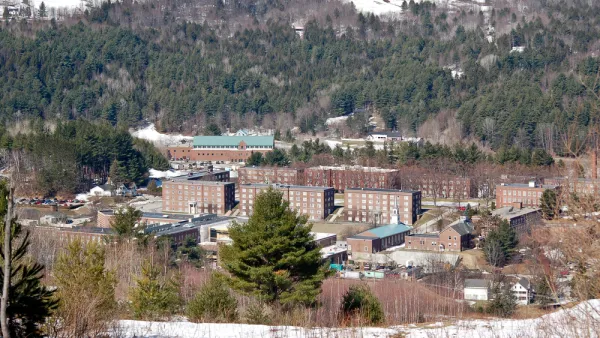
The 'Two-Body Problem' Challenges Small Town Workforces
Academia's "two-body problem" may be affecting other industries as women pursue more specialized careers and marry similarly educated men. Two-career couples are likely to gravitate toward larger metro areas with job opportunities for both partners.

Planetizen Federal Action Tracker
A weekly monitor of how Trump’s orders and actions are impacting planners and planning in America.

‘Going backwards:’ Baltimore mayor, students rally against state's transit funding plan
Maryland's proposed six-year plan provides no funding for Baltimore’s BMORE bus program and reduces its road maintenance funding.

Detroit to transform waterfront with $2.2 billion investment
Developers will convert about 18 acres of unused parking lot space into civic spaces.

Less housing, wasted money: study reveals impact of city parking mandates
The study found that 71% of carless households in the United States pay for a parking space they don’t use.

Minnesota seeks to replace fraud-ridden Housing Stabilization Services with new program
Federal prosecutors have charged over a dozen people in fraud cases involving at least $26 million.

A multi-billion dollar problem is brewing under Oakland’s streets
Oakland’s stormwater drainage systems are in desperate need of upgrades and repairs. The El Niño will only further strain the city’s infrastructure.

FREE Course: Walkable City 1: Why Walkability?
After describing his path towards focusing on walkability as the essence of good planning, Jeff Speck marches through his five principal reasons for making more walkable places.
Reinventing Malls: Planning Alchemy—Turning Gray Fields Into Gold
The course focuses on the opportunities and imperatives that shape reinvention of mall sites.

One Hundred Miles
County of Mendocino
planning NEXT
The Architects Foundation
University of Cincinnati Online
Montrose County
Northern Illinois Transit Authority (NITA)
The Pocatello Development Authority