The Super Bowl bid in Indianapolis has had a ripple effect in the community, leading to significant revitalization efforts and a "mini-building boom in anticipation of the big game."


Indianapolis' Super Bowl bid included the Near Eastside neigborhood, a recreation center and other community improvements aimed at revitalizing the lagging neighborhood, according to Jamie Duffy of The New York Times.
"...[T]he biggest beneficiary has been the Near Eastside, a 44-square-block area a mile east of downtown. With high rates of crime and poverty and a foreclosure rate that led the nation in 2004, the neighborhood had trouble even attracting a grocery store to serve its 40,000 residents. Fortune smiled on the area when Mark Miles, the board chairman of the Super Bowl Host Committee, decided the neighborhood would become part of the 2008 bid, after Indianapolis lost out the previous year to Dallas.
The NFL contributes $1 million to the Super Bowl host "to build a community center that it calls a Youth Education Town, with the stipulation that the grant be matched." Other improvements have included infrastructure, retail, school athletic facilities, and new housing.
Thanks to Cathie Pagano
Read the full story: Unexpected benefits from a super bowl bid

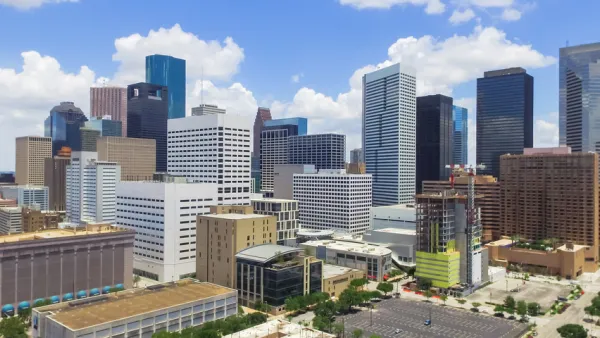
Opportunity Zones a 'Windfall for the Rich'
Opportunity zones are so far only benefitting the moneyed interests of the real estate industry.
Revisiting a Pre-Recession Plan to Transform North San Jose
San Jose wants to remake the North San Jose neighborhood as "Uptown San Jose," but the amount of development that will require isn't proving an easy sell with some locals.
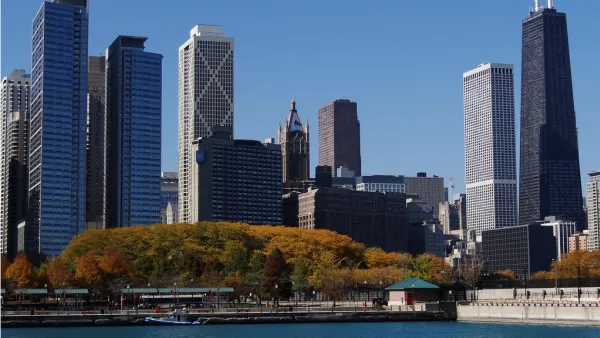
Opportunity Zone Investors Look to Fuel Tech in Chicago
One venture plans to fund a 100-acre campus for tech, bioscience, and medical research in Chicago's Bronzeville neighborhood.

Planetizen Federal Action Tracker
A weekly monitor of how Trump’s orders and actions are impacting planners and planning in America.

‘Going backwards:’ Baltimore mayor, students rally against state's transit funding plan
Maryland's proposed six-year plan provides no funding for Baltimore’s BMORE bus program and reduces its road maintenance funding.
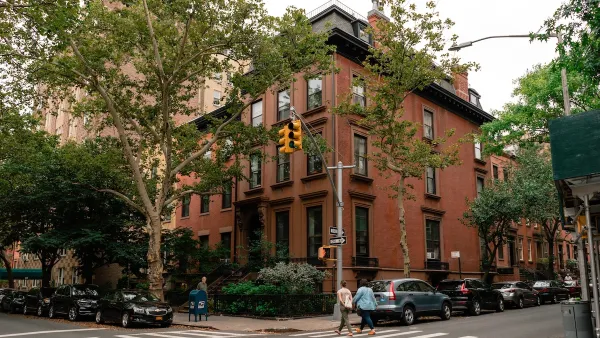
Mamdani sent nearly 6,000 pied-à-terre tax warnings to homes that didn’t qualify
A judge has ordered the administration to cancel thousands of pied-à-terre tax notices after it sent 35% of them erroneously.

MTA expects Trump’s tariffs to increase new NYC transit costs by $1 billion
The Metropolitan Transit Authority said the cost of new subway cars has risen by 30% since Trump began his second term as president.

Alaska takes public comment on new long-term plan for roads, bridges and more
Alaska's draft Statewide Transportation Improvement Program includes over $1 billion for the Alaska Marine Highway System.

A Colorado neighborhood is the testing ground for the future of home energy
A start up may have found a way to quickly bring geothermal energy to new communities.

FREE Course: Walkable City 1: Why Walkability?
After describing his path towards focusing on walkability as the essence of good planning, Jeff Speck marches through his five principal reasons for making more walkable places.
Reinventing Malls: Planning Alchemy—Turning Gray Fields Into Gold
The course focuses on the opportunities and imperatives that shape reinvention of mall sites.

City of Thousand Oaks
City of Wisconsin Rapids
Harvard University Graduate School of Design
The Architects Foundation
University of Cincinnati Online
Northern Illinois Transit Authority (NITA)
The Pocatello Development Authority
The Urban Renewal Agency of the City of Pocatello