Think/Architect looks at models for garages from the past that were built for one-car households, and compares then to contemporary designs that keep expanding from 2 cars to 3 and beyond.


Think/Architect says our desire for garage space is insatiable:
"For years now we have seen the common cookie-cutter home take the garage out of the back alley and attach it to the house to keep us from getting wet as we bring our groceries into the house. Reasonable I suppose. Except then this carnivorous friend rapidly became a monster much like that simple plant in Little Shop of Horrors demanding to be fed."
Photographing models of 1-car garages of the past, he finds converted carriage homes and back alley garages.
Read the full story: can I get a house with that garage?

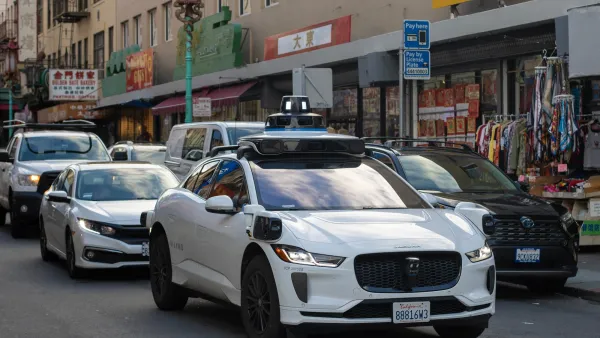
Luxury condo owners fight robotaxis in the most San Francisco conflict ever
Waymos parking in a condo building's garage are causing headaches as they get stuck and block other cars from exiting.
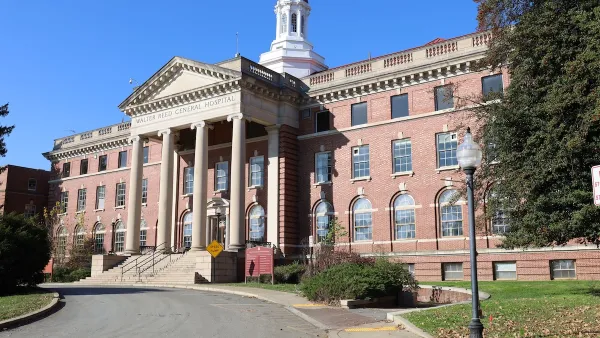
Former DC Army Garage Gets New Life
The fortress-like underground structure posed unique challenges to engineers redeveloping a former U.S. Army complex.
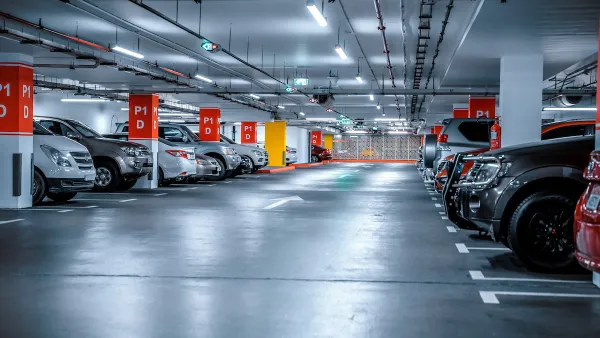
An Untapped Energy Source: Underground Garages
A European study measured ambient air and groundwater temperatures in underground parking garages and found that the heat generated by these structures could potentially power thousands of households.

Amtrak, CN end decades-long dispute with eight-year agreement
The new operating agreement establishes an updated framework for the companies to work together, including processes to resolve disputes.

Judges permit Denver to divert 77,000 acre feet from the Colorado River for reservoir expansion
Overuse and climate change have caused the Colorado River’s water levels to plummet.
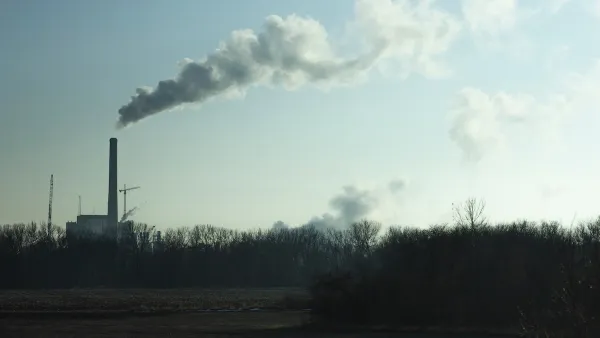
Nation's most wind-powered state turns to coal as data centers increase energy demand
For the first time in decades, Iowa has increased its generation of coal power.

Boston has spent millions making the Green Line more accessible — and there’s no end in sight
While the city has invested millions into expanding and adding platforms to the Green Line to make it more accessible, new train cars set to arrive next year will be too tall for disabled passengers to board without raising the current platforms.

Idaho may see an 18% drop in federal surface transit funding — the largest estimated cut in the US
Transit systems in rural communities are much more reliant on federal funding to provide their services.

How ‘post-disaster gentrification’ alters neighborhoods after natural calamities
After hurricanes, fires or other calamities, the original residents of a community are often replaced by younger, wealthier residents.

FREE Course: Walkable City 1: Why Walkability?
After describing his path towards focusing on walkability as the essence of good planning, Jeff Speck marches through his five principal reasons for making more walkable places.
Reinventing Malls: Planning Alchemy—Turning Gray Fields Into Gold
The course focuses on the opportunities and imperatives that shape reinvention of mall sites.

City of Wisconsin Rapids
Harvard University Graduate School of Design
KFH Group Inc.
The Architects Foundation
University of Cincinnati Online
The Pocatello Development Authority
The Urban Renewal Agency of the City of Pocatello