Consumers still have "range anxiety", the fear that electric cars won't get them to and from their destinations on one charge. NPR looks at the attitudes that are still keeping people from investing in electric vehicles.


NPR's Glinton says, "under fuel-economy rules announced by the White House this summer, cars will have to get an average of 54.5 miles per gallon by 2025 - nearly double the current average. Reaching that goal will take not only feats of engineering but also changing how Americans think about their cars and how they drive them."
Glinton notes that electric cars will require change in consumer habits which so far has not proved to be what consumers want.
"Not that much has changed with electric cars in more than a hundred years. Casey says if they're to be widely adopted, it's drivers themselves - and their habits - that will need to change."
Thanks to Cathie Pagano
Read the full story: Can Electric Cars Help Automakers Reach 55 MPG?

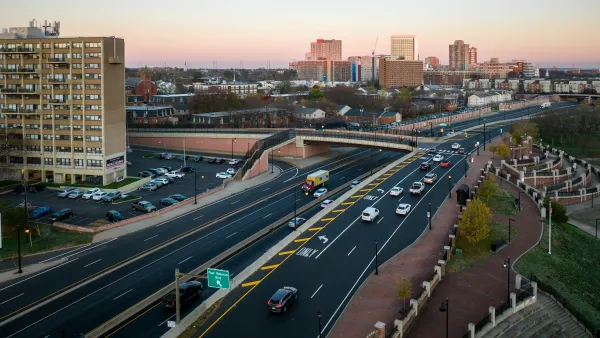
New Jersey Bill to Raise Gas Tax Passes Out of Committee
The bill passed along party lines, but it received bipartisan pushback from both Republican and Democratic committee members, as well as environmentalists and car industry experts.
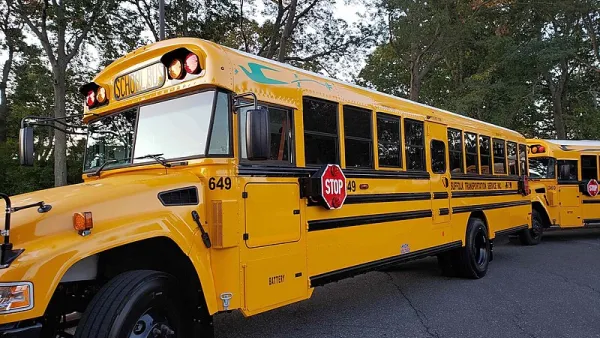
US EPA Awards Another $1 Billion for Clean School Buses
The funding will help purchase over 2,700 electric and low-emission vehicles in 280 school districts in 37 states.
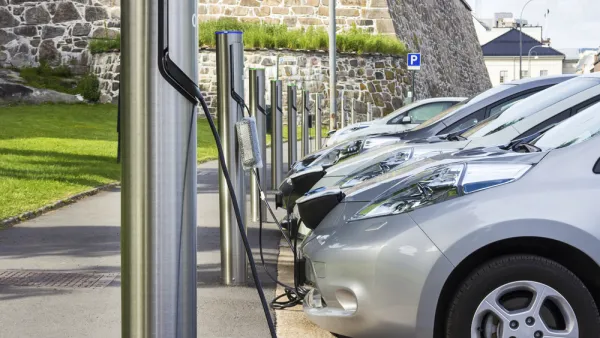
Hybrid Car Sales Fail to Meet Predictions
Over a decade ago, automakers predicted that every new car would be a hybrid by 2020. Why were they so off the mark?

Planetizen Federal Action Tracker
A weekly monitor of how Trump’s orders and actions are impacting planners and planning in America.

Amtrak, CN end decades-long dispute with eight-year agreement
The new operating agreement establishes an updated framework for the companies to work together, including processes to resolve disputes.

Northwest rail fans eager for Sept. 30 debut of Amtrak’s Airo fleet
Get ready for that new train smell and more seats. But they won’t go faster or run more frequently on the Cascades route in Washington and Oregon.

Trump administration unlawfully slashed $7 billion in clean energy grants, judge rules
The Environmental Protection Agency ended the Solar For All program, which provided the grants, after President Donald Trump’s inauguration.

Record-breaking wildlife overpass in Colorado brings 91% reduction in animal collisions
Prior to the overpass, vehicles were hitting one deer per day on Colorado’s Interstate 25.

California lawmakers approve just 5% of much-needed LA28 transportation funding
State legislators appear just as unwilling as Trump to pay for Olympics-related transportation projects.

FREE Course: Walkable City 1: Why Walkability?
After describing his path towards focusing on walkability as the essence of good planning, Jeff Speck marches through his five principal reasons for making more walkable places.
Reinventing Malls: Planning Alchemy—Turning Gray Fields Into Gold
The course focuses on the opportunities and imperatives that shape reinvention of mall sites.

City of Thousand Oaks
City of Wisconsin Rapids
Harvard University Graduate School of Design
The Architects Foundation
University of Cincinnati Online
The Pocatello Development Authority
The Urban Renewal Agency of the City of Pocatello