Private bus companies are gaining in popularity, but Aaron Renn says that a large segment of the "urbanist/sustainability community" despise them for no good reason.


Renn thinks the reason urbanists are against these bus companies is that they undermine the case for high-speed rail. Some of the complaints he points to are:
"...that Megabus is 'subsidized' because it uses valuable curb side real estate in cities for free, that they are implicitly subsidized by highway funding, that passengers waiting for the bus at the stop are a nuisance, that the buses clog the streets and pump fumes into the air in a way that harms the 'neighborhood,' and that the service really isn't that good because of congestion. Even the government of Washington, DC is getting in on the act, as reported they want to charge Megabus a fee for access to their loading zones.
Every last one of these is bogus," writes Renn.
Read the full story: Megabus – King of the Road

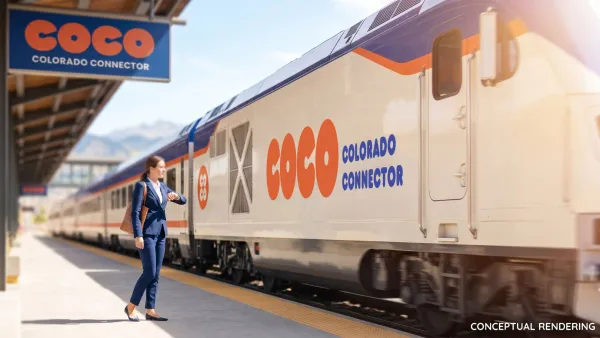
Colorado unveils fox mascot, branding for 'CoCo' high-speed rail
The new Denver-to-Fort Collins train is expected to begin service in 2029.
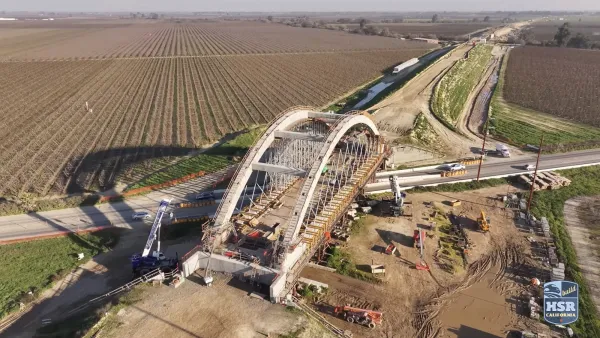
California High-Speed Rail wants to leverage data center revenue to fund trains
By positioning the rail line as a tech and renewable energy corridor, the agency hopes to increase revenue opportunities.

March Must-Reads: Top 10 Articles From Last Month
Seattle may roll back a development fee as housing permits plummet, an ambitious Google-led project in the heart of San Jose goes sideways, and a list of sci-fi books to feed your futurist dreams.

Planetizen Federal Action Tracker
A weekly monitor of how Trump’s orders and actions are impacting planners and planning in America.

Amtrak, CN end decades-long dispute with eight-year agreement
The new operating agreement establishes an updated framework for the companies to work together, including processes to resolve disputes.

Nation's most wind-powered state turns to coal as data centers increase energy demand
For the first time in decades, Iowa has increased its generation of coal power.

Alabama scores up to $2.5 billion federal loan for largest infrastructure project in state’s history
The Mobile River Bridge and Bayway Project aims to ease congestion at Alabama’s worst bottleneck.

Trump is considering data centers on 6 states' public land — some state officials say they had no idea
If the administration approves the proposed projects, data center and data center-related developments will cover 17,600 acres of public land.

Despite court ruling, Trump is keeping nearly all wind projects in the US on hold
At least 110 wind energy projects have not heard from the government since a federal judge ruled that the Trump administration's freeze on wind turbine clearances was likely illegal.

FREE Course: Walkable City 1: Why Walkability?
After describing his path towards focusing on walkability as the essence of good planning, Jeff Speck marches through his five principal reasons for making more walkable places.
Reinventing Malls: Planning Alchemy—Turning Gray Fields Into Gold
The course focuses on the opportunities and imperatives that shape reinvention of mall sites.

KFH Group Inc.
Greater Baltimore Committee
Eagle County Government
The Architects Foundation
University of Cincinnati Online
The Pocatello Development Authority
The Urban Renewal Agency of the City of Pocatello