Philadelphia is embarking on a $2 billion, 25-year project to improve the way it absorbs and processes stormwater.


The current system combines sewage and stormwater, which can cause sewage overflows during heavy rains.
"The project will replace as much as one-third of the city's existing impervious cover – about 4,000 acres – with natural or porous surfaces that can intercept stormwater, store it, and then release it at a controlled rate.
Proposals include natural water storage and filtering solutions such as rain gardens (native vegetation planted near waterways), kerbside planters and green rooftops. Porous asphalt, concrete and paving slabs will also be installed in car parks and on streets. Taken together, these technologies should prevent between 5 and 8 billion gallons of wastewater from overflowing each year – that's up to 50% of the total for the area. Other benefits would include the creation of 250 green jobs each year, increased carbon sequestration from the vegetation, and a boost in recreational space."
Read the full story: Philadelphia Takes a Revolutionary Approach to Stormwater

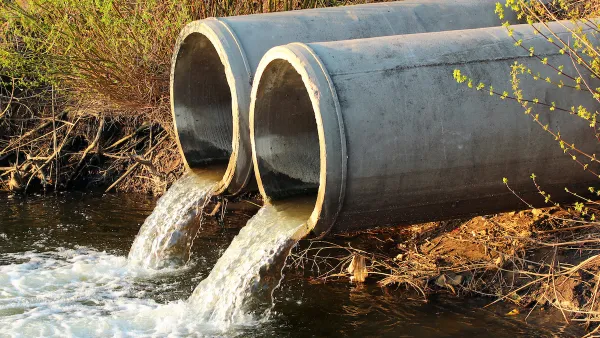
Study: Combined Sewer Systems Face Increased Flood Risk
Cities like Philadelphia and Boston are at higher risk of sewage overflows due to their aging sewer systems and rising sea levels.
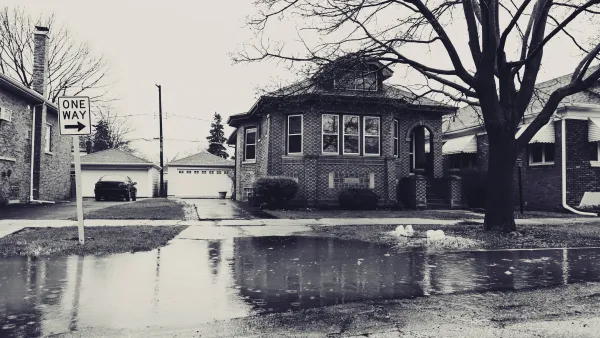
Chicago Flood Mitigation Scrambles to Keep up With Climate Change
The city’s geography and the growing intensity of storms due to climate change are making it difficult for local officials to prevent neighborhood flooding and wastewater spills.
More Funding for Philly’s Urban Watershed Efforts
With the "Green City, Clean Waters" initiative already underway, a recent grant from the U.S. EPA will help Philadelphia evaluate best practices for building and maintaing its urban watershed.

Planetizen Federal Action Tracker
A weekly monitor of how Trump’s orders and actions are impacting planners and planning in America.

Amtrak, CN end decades-long dispute with eight-year agreement
The new operating agreement establishes an updated framework for the companies to work together, including processes to resolve disputes.

Northwest rail fans eager for Sept. 30 debut of Amtrak’s Airo fleet
Get ready for that new train smell and more seats. But they won’t go faster or run more frequently on the Cascades route in Washington and Oregon.

Buses travel at 5mph along this route in NYC. The Bronx's first-ever busway looks to change that
Prior to the busway, buses on the Bx36 route traveled as slowly as 5 miles per hour.

Pittsburg launches 'EZ permits,' aims for one-day turnaround for low-risk permits
The pilot ‘fast lane’ for permits is part of a bundle of modernization efforts for Pittsburg’s permitting process.

Eating, littering on Singapore buses now a fineable offense
Passengers who put other riders in danger may be charged thousands of Singapore dollars.

FREE Course: Walkable City 1: Why Walkability?
After describing his path towards focusing on walkability as the essence of good planning, Jeff Speck marches through his five principal reasons for making more walkable places.
Reinventing Malls: Planning Alchemy—Turning Gray Fields Into Gold
The course focuses on the opportunities and imperatives that shape reinvention of mall sites.

City of Thousand Oaks
City of Wisconsin Rapids
Harvard University Graduate School of Design
The Architects Foundation
University of Cincinnati Online
The Pocatello Development Authority
The Urban Renewal Agency of the City of Pocatello