With great success, the city is on a fast track to transform six Great Depression-era public housing projects - totaling 4,000 units - into mixed-income housing. "People will be watching New Orleans closely," observes Linda Couch.


"What makes New Orleans unusual is how the city toppled all of its major public housing projects at once, choosing a swift overhaul to its public housing over a phased redevelopment," explains Couch in the USA Today article.
Despite the rosy outlook, a partnership between local housing authority and private developer to build varied-income housing significantly reduces the supply of subsidized housing in the market. "Public housing units account for about one-third of the new developments, and many families who once lived in the projects will be left out," notes Rick Jervis. One of the city's six projects, the 460-unit Harmony Oaks Apartments, has over 4,000 people on the wait list, vying for the subsidized units. Another option is to apply for the federal rent vouchers, which has some 22,000 families on the wait list as well.
Read the full story: New Orleans unveils fresh model for housing the poor

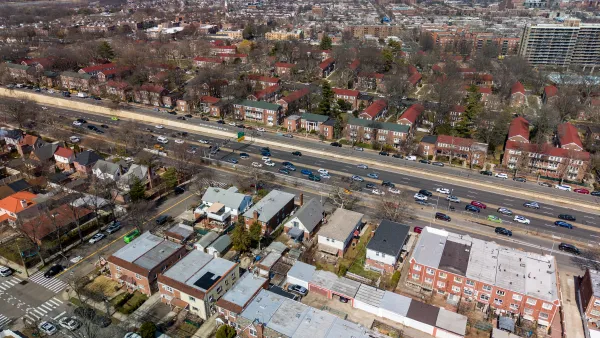
Long Island public housing applicants face longest wait times in America
Applicants to large, medium and small housing authorities in Long Beach all face exceptionally long waiting periods.
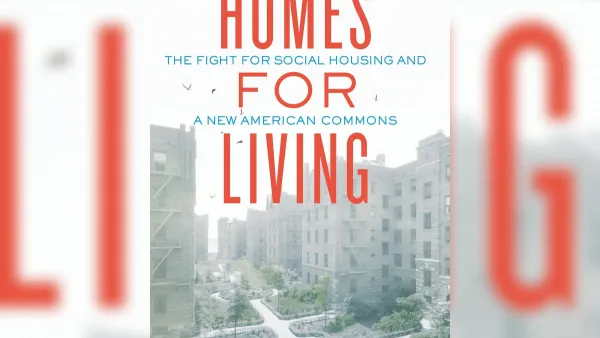
Book review: Co-ops, commons and the conundrum of cashing in on the American dream
Jonathan Tarleton’s "Homes for Living: The Fight for Social Housing and a New American Commons" shows what happens when a loophole in housing legislation opens the door to the privatization of a common good — and when an affordable home suddenly becomes a commodity.

Seattle social housing agency can now issue bonds
The new Seattle Social Housing Developer funds affordable housing through a tax on the city's highest-paying companies.

Planetizen Federal Action Tracker
A weekly monitor of how Trump’s orders and actions are impacting planners and planning in America.

Chicago breaks ground on $3 billion megadevelopment
The new neighborhood, titled Foundry Park, will one day host 3,700 residences.

This MA town is drowning in its own sewage — and residents like it that way
Susan Murcott, a waste water expert, said if Carlisle didn't address their leaking sewage, the problem could turn “deadly.”

Iowa taxpayers are paying thousands to clean manure out of their water
While the Clean Water Act makes states responsible for regulating factory farms that discharge pollutants, Iowa has turned a blind eye to the polluting farms.

Amtrak cuts ribbon on Seattle Airo maintenance facility
The $250 million, nearly 100,000-square-foot building can house an entire Cascades Airo trainset.

To power data centers, Google seeks autonomous control of thousands of homes’ electricity
The tech company has signed a deal to indirectly pay Mid-Atlantic residents to reduce their power demand when the grid is strained.

FREE Course: Walkable City 1: Why Walkability?
After describing his path towards focusing on walkability as the essence of good planning, Jeff Speck marches through his five principal reasons for making more walkable places.
Reinventing Malls: Planning Alchemy—Turning Gray Fields Into Gold
The course focuses on the opportunities and imperatives that shape reinvention of mall sites.

City of Rosemead
Rutgers University, Edward J. Bloustein School of Planning and Public Policy
One Hundred Miles
The Architects Foundation
University of Cincinnati Online
Montrose County
The Pocatello Development Authority
The Urban Renewal Agency of the City of Pocatello