Unoccupied housing is on the rise in many parts of the country, according to an analysis of U.S. Postal Service data.


The new report from Tufts University and the Lincoln Institute of Land Policy also shows that occupancy is rebounding in some areas because of increases in rental housing.
"Occupied housing has declined in about a third of ZIP codes since 2009. From 2000 to 2006, before the recession hit, there were 26% fewer postal areas that experienced an increase in vacant homes.
Suburban areas, where most new residential development was concentrated during the real estate boom, were hit hard: The number of ZIP codes in the suburbs that suffered drops in occupancy grew the most in the latter half of the decade."
Read the full story: Housing occupancy declines, but rentals up in some spots
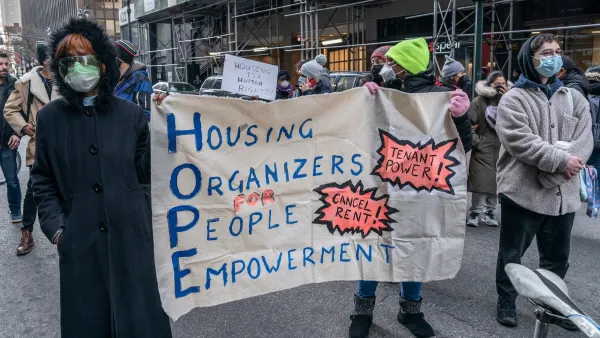
NYC 'Rental Ripoff' report calls for crackdown on negligent landlords
The report outlines strategies for empowering renters and transferring properties from 'low-road' landlords to those who focus on improved tenant outcomes.
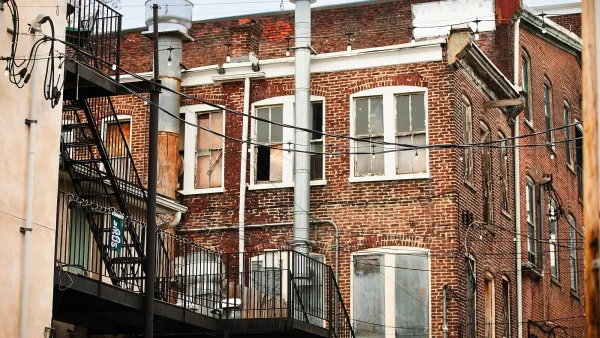
What Makes a Habitable Rental Home?
Almost every state in the U.S. requires that landlords maintain safe and livable residential units. This is often called a "warranty of habitability." In some places, there are laws that specify exactly what those requirements are; in others, the standards are less defined.
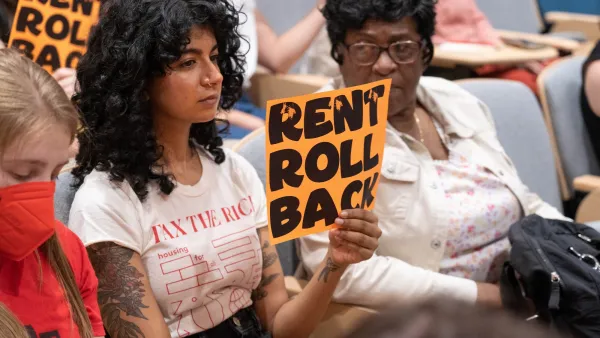
What Happened to ‘Renter’s Choice’ Legislation?
Years ago, officials in dozens of cities and states showed interest in passing legislation that required landlords to accept alternatives to the traditional lump-sum security deposit. Today, much of that momentum has diminished.

Desperate measures: Advocates weigh draining Lake Powell to fill Colorado River
Draining the reservoir could reduce evaporation losses by a couple hundred thousand acre-feet.

Eastern Nebraska is running out of electricity
Data centers and electrification are straining eastern Nebraska’s grid, throttling economic development.

Malls are becoming the midtowns of the future
Mall and office park redevelopments are a generational opportunity to create new nodes of urbanity.

NYC breaks ground on anti-flooding infrastructure project
New York City's new system will reduce stormwater flows to local sewers by 90%.

One Kentucky town’s secret to affordable housing
The Smoketown Community Land Trust has already built seven affordable homes for community members.

Houston gains petal-shaped cooling infrastructure to make streets more ‘delightful’
The city has installed the pavilions along 15 blocks in Houston.

FREE Course: Walkable City 1: Why Walkability?
After describing his path towards focusing on walkability as the essence of good planning, Jeff Speck marches through his five principal reasons for making more walkable places.
Reinventing Malls: Planning Alchemy—Turning Gray Fields Into Gold
The course focuses on the opportunities and imperatives that shape reinvention of mall sites.

City of Rosemead
Rutgers University, Edward J. Bloustein School of Planning and Public Policy
One Hundred Miles
University of Michigan School for Environment and Sustainability (SEAS)
Hunter College, City University of New York (CUNY)
The Architects Foundation
City of Cambridge
Montrose County
The Pocatello Development Authority