Depopulation and empty houses are creating modern day ghost towns throughout America. This piece introduces the latest class of emptying areas.


Citing population decrease, the existing housing stock and the vacancy rate, this post identifies modern American ghost counties. The list is made up of places with populations of at least 10,000 and vacancy rates of 55% and higher.
"Data from states and large metropolitan areas do not tell the story of how much the real estate disaster has turned certain areas in the country into ghost towns. Some of the affected regions are tourist destinations, but much of that traffic has disappeared as the recession has caused people to sell or desert vacation homes and delay trips for leisure. This makes these areas particularly desolate when tourists are not around.
The future of these areas is grim. Our research showed that many have sharply declining tax bases which have caused budget cuts. Forecasts are calling for the fiscal noose to tighten on them even tighter."
Read the full story: American Ghost Towns Of The 21st Century

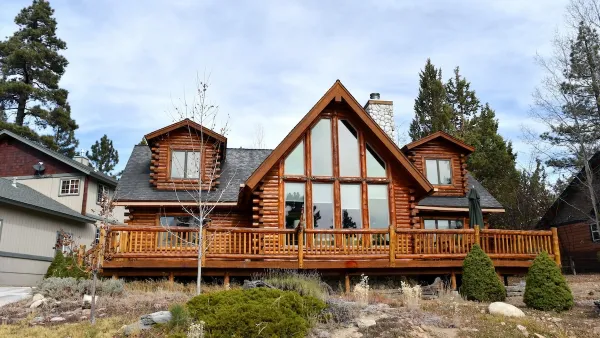
Nearly Half of Vacant Units in Rural Counties are Second Homes
The relationship between housing costs and second home ownership rates is complicated.

Running Rampant: How Short-Term Rentals Impact Communities With Loose Restrictions
Brendan O’Brien, author of “Homesick,” talks with us about his new book and what he's learned about the effects of short-term rentals in communities like Flagstaff, Arizona; Bozeman, Montana; and St. George, Utah.
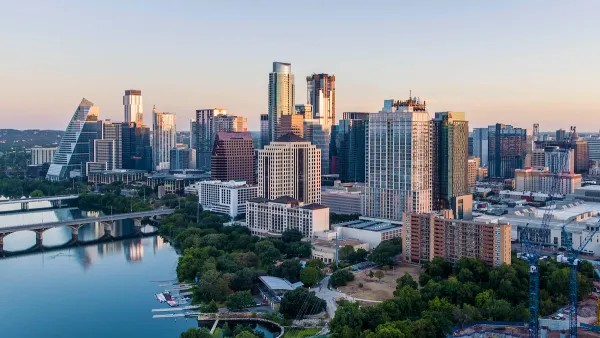
Texas Cities’ Office Vacancy Rates Close to Double New York, San Francisco
A glut of office buildings in the pro-development state is leading to some of the highest vacancy rates in the country, even as population growth spikes.

Planetizen Federal Action Tracker
A weekly monitor of how Trump’s orders and actions are impacting planners and planning in America.

Amtrak, CN end decades-long dispute with eight-year agreement
The new operating agreement establishes an updated framework for the companies to work together, including processes to resolve disputes.

Judges permit Denver to divert 77,000 acre feet from the Colorado River for reservoir expansion
Overuse and climate change have caused the Colorado River’s water levels to plummet.

Maryland local governments examine if they should have more power to raise property taxes
Maryland’s housing market is out of reach for the majority of moderate-income residents.

Northwest rail fans eager for Sept. 30 debut of Amtrak’s Airo fleet
Get ready for that new train smell and more seats. But they won’t go faster or run more frequently on the Cascades route in Washington and Oregon.

NYC DOT wants faster, more permanent street upgrades
The city is examining ways to build more concrete infrastructure without getting entangled in 'decades-long' projects.

FREE Course: Walkable City 1: Why Walkability?
After describing his path towards focusing on walkability as the essence of good planning, Jeff Speck marches through his five principal reasons for making more walkable places.
Reinventing Malls: Planning Alchemy—Turning Gray Fields Into Gold
The course focuses on the opportunities and imperatives that shape reinvention of mall sites.

Harvard University Graduate School of Design
KFH Group Inc.
Greater Baltimore Committee
The Architects Foundation
University of Cincinnati Online
The Pocatello Development Authority
The Urban Renewal Agency of the City of Pocatello