This collection of city profiles looks at cities around the world that are making major improvements to the way they handle and provide water.


National Geographic finds some of the smartest water cities in the world, from Tianjin to the slums of Uganda to Singapore.
"Singapore has become the poster child for urban water efficiency and innovative water recycling technologies, drawing investment dollars and talent from major corporations such as Siemens and GE, which are hoping to expand their water-recycling businesses in the growing cities of Asia. Singapore itself is investing $240 million over five years in water technology research.
The city-state's national water agency, PUB, employs a strategy it calls Singapore's Four National Taps to ensure an adequate supply of water for its five million residents and the economy, with the end goal of total water self-sufficiency."
Read the full story: World Water Day Photos: Water-Savvy Cities

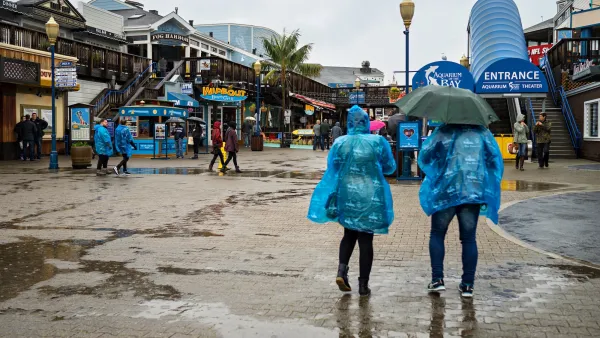
Rain gardens keep up to 99% of pollutants out of San Francisco Bay
The city's roadside rain gardens soak up stormwater and filter out dozens of harmful micropollutants.
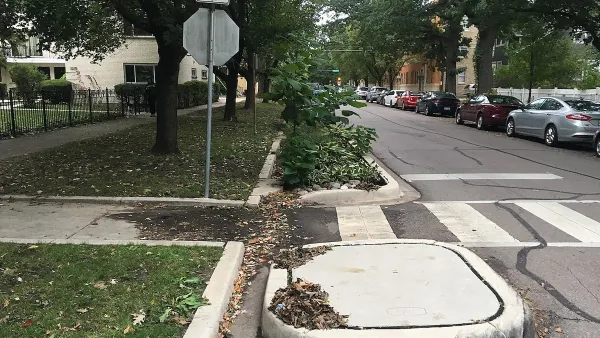
How Capturing Rainwater Can Make Cities Safer, More Resilient
Green infrastructure can help prevent flooding and replenish groundwater supplies, preventing subsidence that makes land sink.
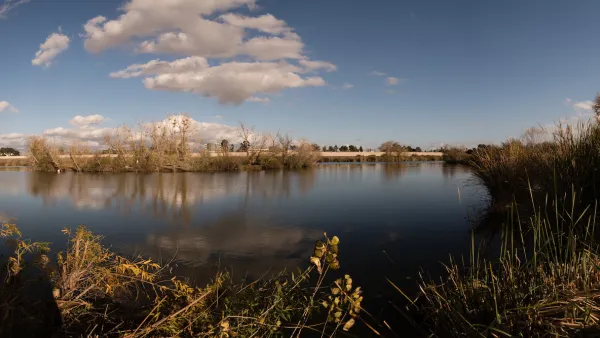
LA’s ‘Spongy’ Infrastructure Captured Almost 9 Billion Gallons of Water
The city is turning away from stormwater management practices that shuttle water to the ocean, building infrastructure that collects and directs it underground instead.

Planetizen Federal Action Tracker
A weekly monitor of how Trump’s orders and actions are impacting planners and planning in America.

Amtrak, CN end decades-long dispute with eight-year agreement
The new operating agreement establishes an updated framework for the companies to work together, including processes to resolve disputes.

Judges permit Denver to divert 77,000 acre feet from the Colorado River for reservoir expansion
Overuse and climate change have caused the Colorado River’s water levels to plummet.

Idaho may see an 18% drop in federal surface transit funding — the largest estimated cut in the US
Transit systems in rural communities are much more reliant on federal funding to provide their services.

How ‘post-disaster gentrification’ alters neighborhoods after natural calamities
After hurricanes, fires or other calamities, the original residents of a community are often replaced by younger, wealthier residents.

Maryland local governments examine if they should have more power to raise property taxes
Maryland’s housing market is out of reach for the majority of moderate-income residents.

FREE Course: Walkable City 1: Why Walkability?
After describing his path towards focusing on walkability as the essence of good planning, Jeff Speck marches through his five principal reasons for making more walkable places.
Reinventing Malls: Planning Alchemy—Turning Gray Fields Into Gold
The course focuses on the opportunities and imperatives that shape reinvention of mall sites.


Harvard University Graduate School of Design
KFH Group Inc.
Greater Baltimore Committee
The Architects Foundation
University of Cincinnati Online
The Pocatello Development Authority
The Urban Renewal Agency of the City of Pocatello