When the airport was built in Santa Barbara, California, engineers dammed the surrounding wetlands to prevent flooding and to keep birds from gathering. A new restoration refutes those conclusions, and paves (or unpaves) the way for other airports.


Matt Kettmann reports that wildlife strikes (birds getting caught in plane engines and the like) cause significant damage and expense to planes, so engineers were concerned that restored wetlands would attract more birds:
"But in Santa Barbara, the experts argued that, with tidal flow, the larger and more dangerous migratory birds like Canadian geese and mallard ducks that congregate near standing seasonal ponds and fly across the runways would be replaced by smaller shorebirds that stick closer to the ground. To the surprise of many, the FAA was willing to let the science lead the way."
Read the full story: Could Tidal Flow Fix Your Airport?

St. Joe Company's Big Plans and Drastic Impacts on Florida's Panhandle
The construction of a new airport and industrial district on Florida's panhandle characterizes the impact of the St. Joe Company, the state's biggest landowner and one in the midst of drastically changing the area's landscape.
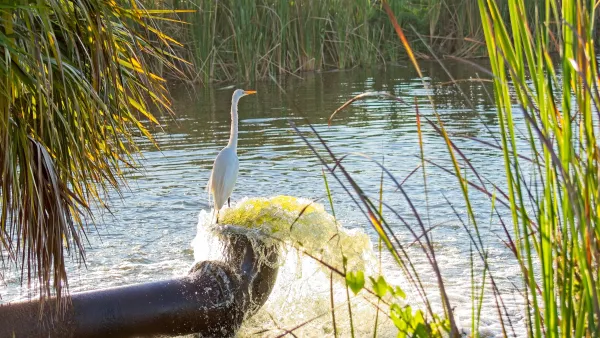
94% of wetlands could lose federal protections under proposed EPA rule
The ruling would only allot federal protections to waterways that flow nearly everyday, which few wetlands do.
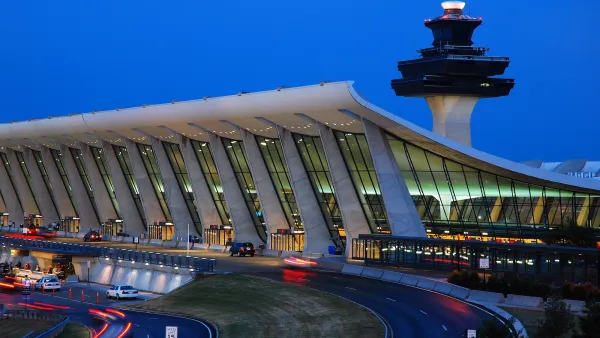
Trump wants to eliminate people movers, add 32,000-car garage to Dulles airport
The proposed renovations would cost roughly $22 billion.

Planetizen Federal Action Tracker
A weekly monitor of how Trump’s orders and actions are impacting planners and planning in America.

‘Going backwards:’ Baltimore mayor, students rally against state's transit funding plan
Maryland's proposed six-year plan provides no funding for Baltimore’s BMORE bus program and reduces its road maintenance funding.

Detroit to transform waterfront with $2.2 billion investment
Developers will convert about 18 acres of unused parking lot space into civic spaces.

LA to transform part of water treatment facility into new park
By rebuilding some of the Los Angeles-Glendale Water Reclamation Plant’s infrastructure, the city will free up 18,000 square feet to create a new green space for the public.

San Antonio approves $1.1 billion transit agenda
The agency has also begun construction of its Via Rapid Green line, which will service passengers from the San Antonio International Airport.

Guerilla urbanists’ DIY benches joined by sanctioned seats in Chicago
The group behind the original homemade benches said they will continue installing them across bench-less bus stops in Chicago.

FREE Course: Walkable City 1: Why Walkability?
After describing his path towards focusing on walkability as the essence of good planning, Jeff Speck marches through his five principal reasons for making more walkable places.
Reinventing Malls: Planning Alchemy—Turning Gray Fields Into Gold
The course focuses on the opportunities and imperatives that shape reinvention of mall sites.

One Hundred Miles
County of Mendocino
planning NEXT
The Architects Foundation
University of Cincinnati Online
Montrose County
Northern Illinois Transit Authority (NITA)
The Pocatello Development Authority