This latest report from The Brookings Institution tracks economic recovery in 100 American metropolitan areas


Housing prices were down for the most part, but job growth has picked up in many parts of the country, according to the report.
"Nearly all the metropolitan areas whose economies have suffered the most since the start of the Great Recession are ones that experienced a large house price boom and bust or that depend heavily on auto or auto parts manufacturing. Nearly all those whose economies have suffered the least rely substantially on government (e.g., Washington and several state capitals), health care (e.g., Baltimore and Pittsburgh), education (e.g., Pittsburgh and Austin), or oil and gas (Denver). The map above shows how the 100 largest metropolitan areas rank on a combination of four economic indicators: percent job change from the peak quarter to the fourth quarter of 2010, change in the unemployment rate from December 2007 to December 2010, percent change in economic output (gross metropolitan product) from the peak quarter to the fourth quarter of 2010, and percent change in an index of house prices from the peak quarter to the fourth quarter of 2010."
Read the full story: March 2011 — MetroMonitor: Tracking Economic Recession and Recovery in America’s 100 Largest Metropolitan Areas

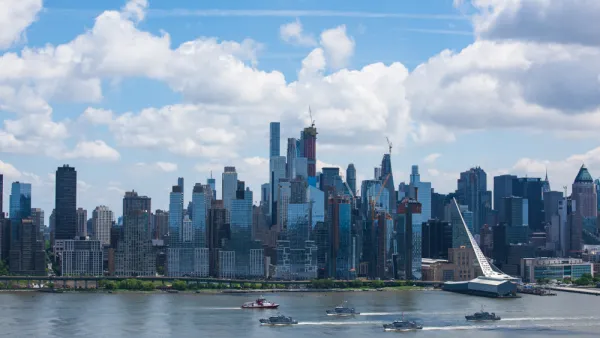
Metro Monitor 2020 Report Identifies Uneven Growth Around the United States
A record period of U.S. economic prosperity has reshaped the economy of the U.S., in particularly obvious patterns at the metropolitan level. A new Brookings report details the way metro areas have changed.
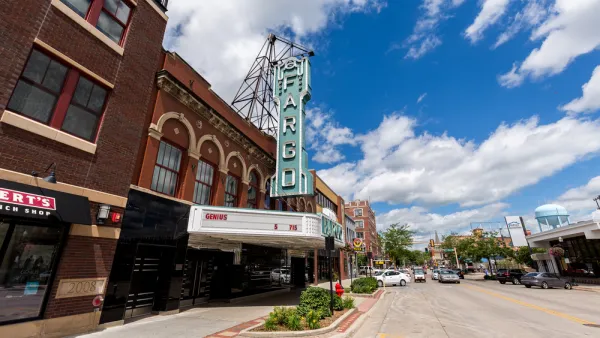
What's Driving the Fastest Growing Land Values in the Upper Midwest?
Fargo-Moorhead, the metropolitan statistical area straddling North Dakota and Minnesota, has seen the quickest growth in land value in the Upper Midwest for the span of years between 2012 and 2017.
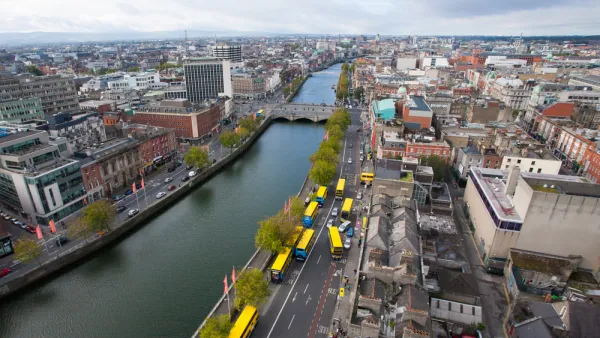
Asia Dominates Metropolitan Growth; California Cities Also in the Top Ten
The Brookings Institution released the Global Metro Monitor 2018 report this week.

Amtrak, CN end decades-long dispute with eight-year agreement
The new operating agreement establishes an updated framework for the companies to work together, including processes to resolve disputes.

Northwest rail fans eager for Sept. 30 debut of Amtrak’s Airo fleet
Get ready for that new train smell and more seats. But they won’t go faster or run more frequently on the Cascades route in Washington and Oregon.

Judges permit Denver to divert 77,000 acre feet from the Colorado River for reservoir expansion
Overuse and climate change have caused the Colorado River’s water levels to plummet.

NYC to turn city-owned property into thousands of homes
The city has scheduled a public hearing regarding the development for October.

Buses travel at 5mph along this route in NYC. The Bronx's first-ever busway looks to change that
Prior to the busway, buses on the Bx36 route traveled as slowly as 5 miles per hour.

Pittsburg launches 'EZ permits,' aims for one-day turnaround for low-risk permits
The pilot ‘fast lane’ for permits is part of a bundle of modernization efforts for Pittsburg’s permitting process.

FREE Course: Walkable City 1: Why Walkability?
After describing his path towards focusing on walkability as the essence of good planning, Jeff Speck marches through his five principal reasons for making more walkable places.
Reinventing Malls: Planning Alchemy—Turning Gray Fields Into Gold
The course focuses on the opportunities and imperatives that shape reinvention of mall sites.

City of Thousand Oaks
City of Wisconsin Rapids
Harvard University Graduate School of Design
The Architects Foundation
University of Cincinnati Online
The Pocatello Development Authority
The Urban Renewal Agency of the City of Pocatello