No matter what alternatives it can think of, the Obama Administration remains baffled why most Americans are still attached to their cars, says Fred Barnes.


Barnes writes:
"For most Americans-make that most of mankind-the car is an instrument of mobility, flexibility, and speed. Yet officials in Washington, transportation experts, state and local functionaries, planners, and transit officials are puzzled why their efforts to lure people from their cars continue to fail...
The simple fact is most people prefer to travel by car because it's convenient, which mass transit rarely is. They can go from place to place directly, choosing their own route and schedule. They can do so day and night. They can stop as frequently as they wish for any reason (do errands, drop off kids, etc.). This phenomenon has a name: freedom."
Read the full story: The Way We Drive Now

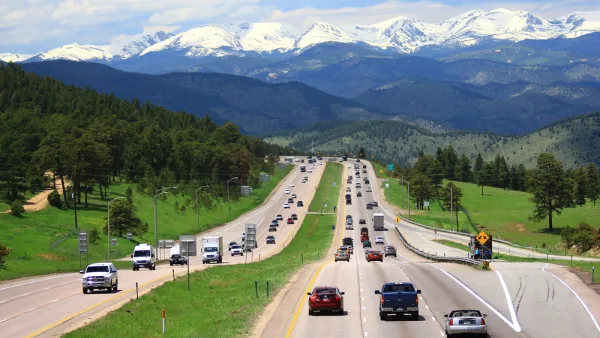
How Vehicle Ownership Impacts Roadway Design
New research assesses the potential implications of reduced car ownership on the design of roads and communities.

California Launches E-Bike Incentive Program
The state is directing $13 million to a program to help low-income Californians purchase electric and cargo bikes, but limited bike infrastructure keeps many California streets unsafe for cyclists.
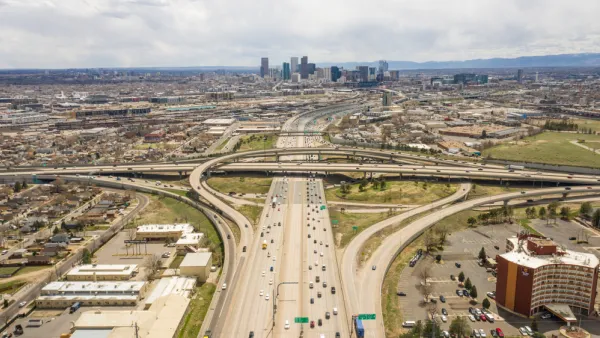
Colorado Emissions Reduction Plan Ties Sustainable Transportation to State Funding
The state’s Greenhouse Gas Planning Standard uses tangible financial penalties to prioritize transportation projects that reduce emissions.

Planetizen Federal Action Tracker
A weekly monitor of how Trump’s orders and actions are impacting planners and planning in America.

Amtrak, CN end decades-long dispute with eight-year agreement
The new operating agreement establishes an updated framework for the companies to work together, including processes to resolve disputes.

Judges permit Denver to divert 77,000 acre feet from the Colorado River for reservoir expansion
Overuse and climate change have caused the Colorado River’s water levels to plummet.

NYC DOT wants faster, more permanent street upgrades
The city is examining ways to build more concrete infrastructure without getting entangled in 'decades-long' projects.

'Something we’ve never seen before:' rising utility rates could strain city finances nationwide
Data centers, climate change and other factors have caused utility rates in the United States to increase by 38% since 2020.

Trump to overrule local leaders, lease millions of acres of America’s Pacific Island territories’ seafloors to mining companies
International law says that the Indigenous people of America’s territories have a right to prior and informed consent regarding projects that impact their countries.

FREE Course: Walkable City 1: Why Walkability?
After describing his path towards focusing on walkability as the essence of good planning, Jeff Speck marches through his five principal reasons for making more walkable places.
Reinventing Malls: Planning Alchemy—Turning Gray Fields Into Gold
The course focuses on the opportunities and imperatives that shape reinvention of mall sites.

Harvard University Graduate School of Design
KFH Group Inc.
Greater Baltimore Committee
The Architects Foundation
University of Cincinnati Online
The Pocatello Development Authority
The Urban Renewal Agency of the City of Pocatello