103 artists form around the world have unveiled a massive collection of murals in New York City. But they're underground in abandoned subways stations, and you can't go see them.


Known as the Underbelly Project, the works are entirely inaccessible by traditional -- or legal -- means. However, urban explorers and those adventurous enough to venture into the abandoned subways will likely be treated to quite a show.
"It is one of the largest shows of such pieces ever mounted in one place, and many of the contributors are significant figures in both the street-art world and the commercial trade that now revolves around it. Its debut might have been expected to draw critics, art dealers and auction-house representatives, not to mention hordes of young fans. But none of them were invited.
In the weeks since, almost no one has seen the show. The gallery, whose existence has been a closely guarded secret, closed on the same night it opened."
Read the full story: Street Art Way Below the Street

Video Shows Underworld of New York City
A new video features urban explorer Steve Duncan as he adventures in the abandoned subway tunnels beneath New York City.
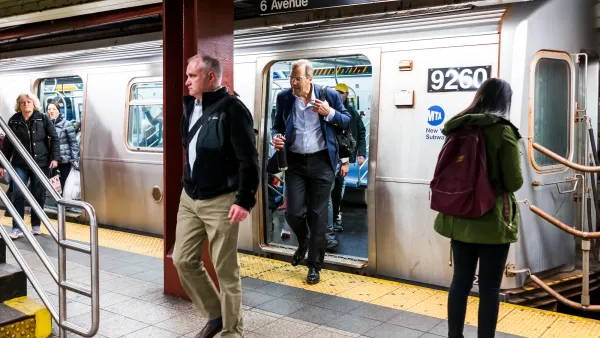
NYC to Upgrade 1/3 of its Subway Car Fleet
The MTA is seeking proposals for up to 2,390 new subway cars to upgrade its aging fleet.
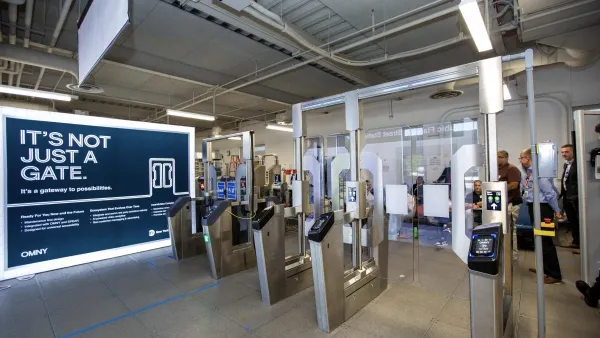
New York MTA Installs ‘Smart’ Fare Gates to Stop Turnstile Hoppers
New fare gates use sensors and higher panels to prevent people from passing without paying, but the tech had a “bumpy rollout” on its first day.

Planetizen Federal Action Tracker
A weekly monitor of how Trump’s orders and actions are impacting planners and planning in America.

Chicago breaks ground on $3 billion megadevelopment
The new neighborhood, titled Foundry Park, will one day host 3,700 residences.

This MA town is drowning in its own sewage — and residents like it that way
Susan Murcott, a waste water expert, said if Carlisle didn't address their leaking sewage, the problem could turn “deadly.”

Iowa taxpayers are paying thousands to clean manure out of their water
While the Clean Water Act makes states responsible for regulating factory farms that discharge pollutants, Iowa has turned a blind eye to the polluting farms.

Amtrak cuts ribbon on Seattle Airo maintenance facility
The $250 million, nearly 100,000-square-foot building can house an entire Cascades Airo trainset.

To power data centers, Google seeks autonomous control of thousands of homes’ electricity
The tech company has signed a deal to indirectly pay Mid-Atlantic residents to reduce their power demand when the grid is strained.

FREE Course: Walkable City 1: Why Walkability?
After describing his path towards focusing on walkability as the essence of good planning, Jeff Speck marches through his five principal reasons for making more walkable places.
Reinventing Malls: Planning Alchemy—Turning Gray Fields Into Gold
The course focuses on the opportunities and imperatives that shape reinvention of mall sites.

City of Rosemead
Rutgers University, Edward J. Bloustein School of Planning and Public Policy
One Hundred Miles
The Architects Foundation
University of Cincinnati Online
Montrose County
The Pocatello Development Authority
The Urban Renewal Agency of the City of Pocatello