A picture's worth a thousand plans - at least when it's a "photo-realistic visualization." Designer Steve Price's detailed 3D flash animations show towns what empty streetscapes and drab buildings could look like with a little bit of planning.


Price's firm, Urban Architecture, uses Photoshop and other design tools to craft realistic images showing what proposed designs and plans would actually look like on the ground. From Miami to Virginia and all across the country, these visualizations have helped planning boards, city councils and everyday citizens understand what change could actually look like before it happens and make decisions that they'll be proud to live with.
No project comes out exactly as planned, or exactly as Price depicts it, but he stresses the importance of giving people new ways of envisioning their futures.
"Everybody kind of nods and agrees and knits their brows as they listen to statistics and information about economic development," Price said. "Then they see the pictures, and that's when the smiles occur. And the 'oohs' and 'ahs.' There are two hemispheres of the brain, and it's almost like two different people in everybody's head, and they respond to the world in very different ways."
Read the full story: Digital Designer Shows What Future Towns Could Look Like
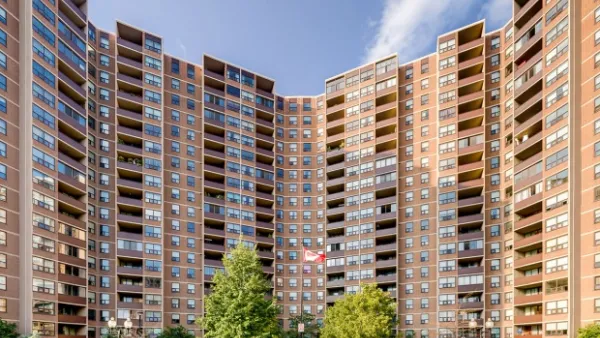
Op-Ed: What Can Be Done About Toronto's Drabness?
After decades of "just-good-enough when it comes to design," now may be the time for Toronto to take steps to upgrade its aesthetics.

Rise of the Instagram City
Cities have become obsessed with going viral.
Visualizing Water in the Landscape
Water shortages are on the rise, and effective management of this dwindling resource is becoming increasingly important to cities. How architects and planners visualize water in the landscape plays a big role in how it is understood and managed.

Planetizen Federal Action Tracker
A weekly monitor of how Trump’s orders and actions are impacting planners and planning in America.

Eastern Nebraska is running out of electricity
Data centers and electrification are straining eastern Nebraska’s grid, throttling economic development.

Washington state to charge fee to drivers with fuel-efficient cars
Revenue from the fee will go towards supporting the state’s highways.

Instead of building new housing, LA developers are turning mansions into mega-mansions
In the richest areas, the number of houses valued at $30 million with demolition permits has skyrocketed since 2018.

Illinois considers spending $1 billion in taxpayer money on data center
A quantum computing campus and data center are currently under construction in Chicago.

As development costs rise, Boston moves to lessen affordable housing requirements
The Boston Zoning Commission and the City Council still need to approve Boston Mayor Michelle Wu’s proposed changes

FREE Course: Walkable City 1: Why Walkability?
After describing his path towards focusing on walkability as the essence of good planning, Jeff Speck marches through his five principal reasons for making more walkable places.
Reinventing Malls: Planning Alchemy—Turning Gray Fields Into Gold
The course focuses on the opportunities and imperatives that shape reinvention of mall sites.

City of Charlotte
City of Rosemead
Rutgers University, Edward J. Bloustein School of Planning and Public Policy
University of Michigan School for Environment and Sustainability (SEAS)
Hunter College, City University of New York (CUNY)
The Architects Foundation
University District Partnership
City of Cambridge
The Pocatello Development Authority