A passenger train line across the Balkans had been closed for 18 years. As it reopens and reconnects the region to the rest of Europe, there are signs of improved relations in the war-torn region.


The train line travels 300 miles from Sarajevo in Bosnia and Herzegovina, through the southeastern tip of Croatia, and to its end-point in Belgrade, Serbia.
"For the chain-smoking Serbs, Croats and Bosnians toasting one another in the cafe car, the revived passenger line was certainly a sign that their forced isolation from the rest of Europe and the world beyond could be on the verge of ending.
Starting on Dec. 19, citizens of Serbia, Montenegro and Macedonia could travel to European Union countries without visas for the first time since the collapse of Yugoslavia. Serbia, until recently an international pariah, applied for European Union membership a few days later. Reacceptance into the Western fold looks closer for the region than it has in years. But the region - like the train line itself - is by no means normal or fully integrated."
Read the full story: Train Line Across the Balkans Restitches a Region


Amtrak unveils proposal to restructure, split into 3 divisions
Agency officials say the new structure would offer more transparency and accountability.
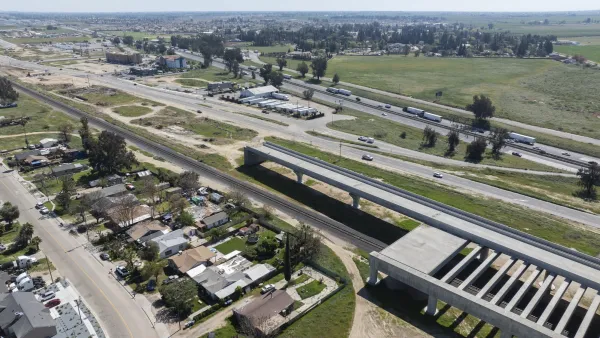
California rail builders sign MOU advancing statewide high-speed network
The agreement aims to create an interconnected high-speed rail network and bring down the cost of construction.
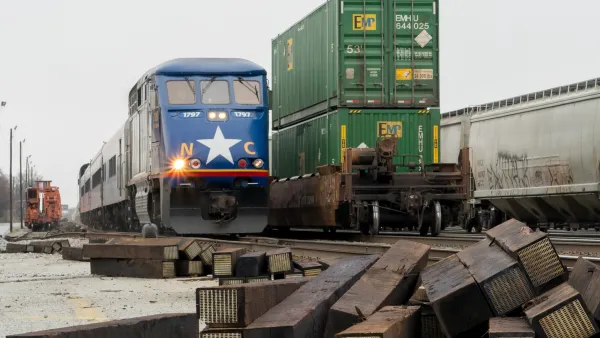
Why are America's trains so slow?
A brief historical inquiry.

Planetizen Federal Action Tracker
A weekly monitor of how Trump’s orders and actions are impacting planners and planning in America.

The state-sanctioned urbicide of Austin
People don’t kill cities. Freeways do.

Colorado’s Largest Data Center Could Rise Next to Homes — Without a Public Hearing
The proposed campus would consume 11 times the power of Denver International Airport; as it has across the country, opposition mounts.
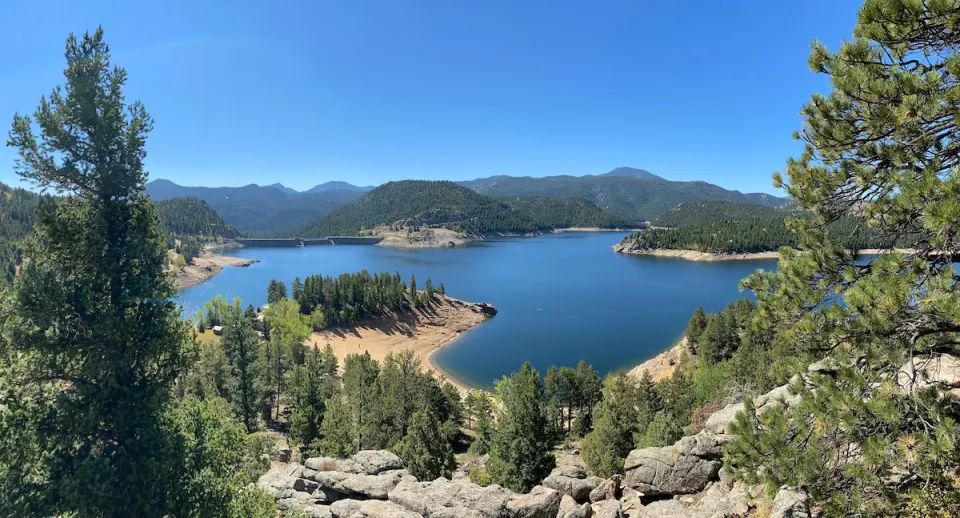
Judges permit Denver to divert 77,000 acre feet from the Colorado River for reservoir expansion
Overuse and climate change have caused the Colorado River’s water levels to plummet.
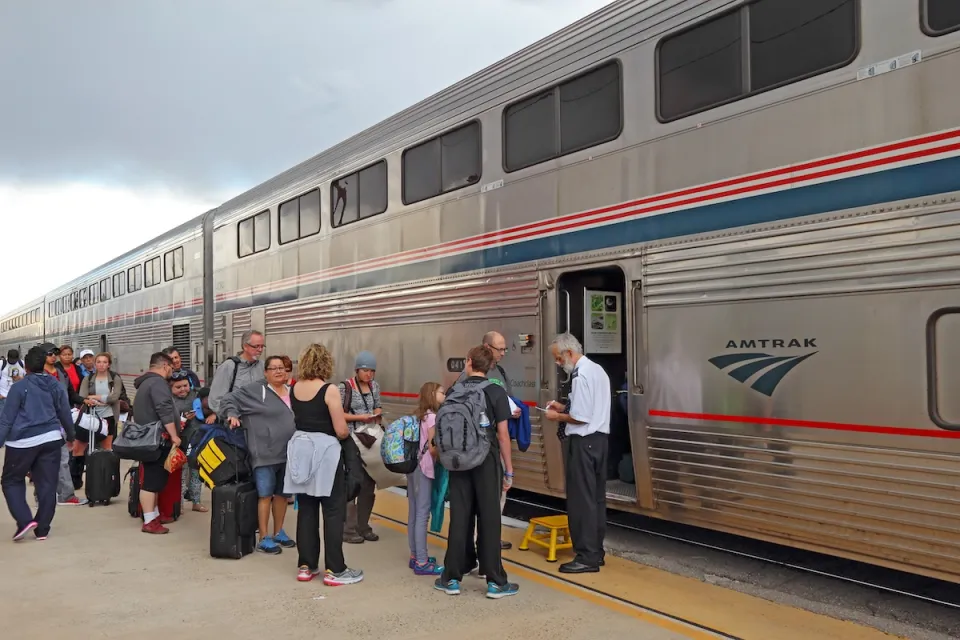
Amtrak, CN end decades-long dispute with eight-year agreement
The new operating agreement establishes an updated framework for the companies to work together, including processes to resolve disputes.

Raised interest rates may kill financially vulnerable construction projects
The chief economist at ConstructConnect warns that if construction project owners are negatively impacted by the raised rates, it could result in delayed payments to contractors.

FREE Course: Walkable City 1: Why Walkability?
After describing his path towards focusing on walkability as the essence of good planning, Jeff Speck marches through his five principal reasons for making more walkable places.
Reinventing Malls: Planning Alchemy—Turning Gray Fields Into Gold
The course focuses on the opportunities and imperatives that shape reinvention of mall sites.

KFH Group Inc.
Greater Baltimore Committee
Eagle County Government
The Architects Foundation
University of Cincinnati Online
The Pocatello Development Authority
The Urban Renewal Agency of the City of Pocatello