That's how newly-developed communities are making it work, says Laura Wright in this in-depth look at how sprawl happened in Chicago and how smart growth is revitalizing the city.


This insightful article looks at three neighborhoods in Chicago to uncover how different communities are overcoming their sprawling, suburban origins to become more urban and activated.
"I traveled back and forth across Chicagoland, covering hundreds of miles by train, by car, and on foot, in search of places that reveal how these ideas might actually work. Three very different communities stood out: Prairie Crossing, an eco-minded development out on the suburban fringe; Blue Island, a down-and-out blue-collar suburb in the region's industrial wasteland; and West Garfield Park, a poor and predominantly black neighborhood on the West Side of Chicago. Each one has laid plans for some strategic improvements, based on a simple principle: always begin with the stuff you've already got."
Read the full story: Redrawing the American City

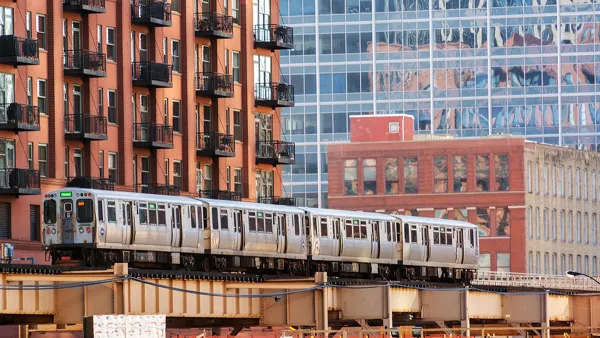
Even Chicago Struggles with Transit Oriented Development
As Chicago's population slowly dwindles, Yonah Freemark argues that the city needs to take advantage of one of its greatest assets: its transit network. Housing for residents of all incomes near transit stops may be the key.
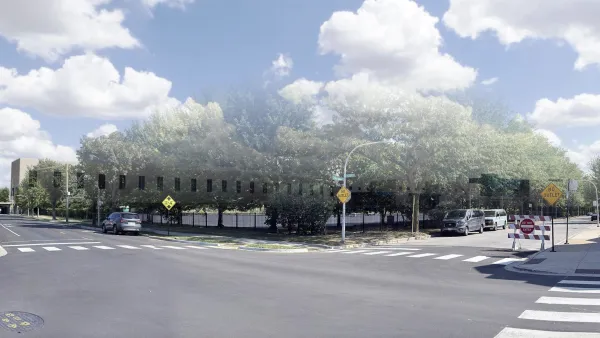
Feds to more closely scrutinize proposed Amtrak facility’s environmental impact
The Federal Railroad Administration had initially said the facility qualified for a less extensive environmental review.
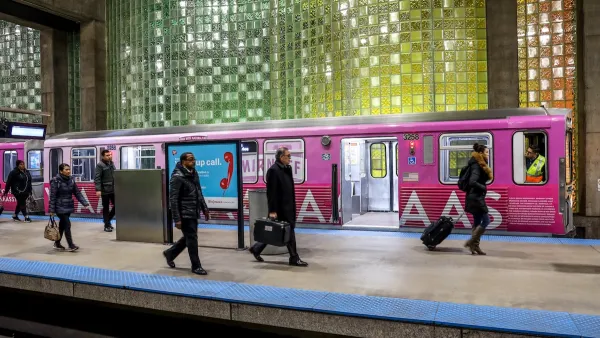
Chicago’s new transit authority has ‘unprecedented’ land development power
The Northern Illinois Transit Authority is allowed to buy and develop land for reasons unrelated to transit, a power that is fairly unique among transit authorities.

Planetizen Federal Action Tracker
A weekly monitor of how Trump’s orders and actions are impacting planners and planning in America.

California plans to bury El Niño’s downpour
If the state plays its cards right, it may be able to store a billion acre-feet of El Niño’s water in aquifers.

Chicago breaks ground on $3 billion megadevelopment
The new neighborhood, titled Foundry Park, will one day host 3,700 residences.

One of Denver’s busiest corridors to gain BRT
The project will span 18 miles and contain 74 bus rapid transit stations.

275,000 bus trips are at stake on Seattle's ballot
If passed, the Seattle Transit Measure would trigger a 0.3% sales tax and raise an average of $138 million per year to maintain and expand Seattle’s bus services.

Texas may pay Israeli company billions to ease water woes
Texas awarded IDE Technologies the contract for its Harbor Island project, which is slated to become the Western Hemisphere's largest desalination plant.

FREE Course: Walkable City 1: Why Walkability?
After describing his path towards focusing on walkability as the essence of good planning, Jeff Speck marches through his five principal reasons for making more walkable places.
Reinventing Malls: Planning Alchemy—Turning Gray Fields Into Gold
The course focuses on the opportunities and imperatives that shape reinvention of mall sites.

City of Rosemead
Rutgers University, Edward J. Bloustein School of Planning and Public Policy
One Hundred Miles
Hunter College, City University of New York (CUNY)
The Architects Foundation
University of Cincinnati Online
City of Cambridge
Montrose County
The Pocatello Development Authority