Since the stimulus package was announced, the emphasis on 'shovel-ready' projects elicited criticism from urbanists. At yesterday's White House jobs summit, Pres. Obama acknowledged the tension it has caused.


John Norquist of CNU wrote about the controversy back in January of last year on Planetizen.
Streetsblog has great coverage of the event, including this excerpt from the President acknowledging the tension:
"The tension we've been seeing is that what's good in the long term may not necessarily work as an immediate, short-term stimulus. We're still getting smacked around from the Recovery Act on this infrastructure generally has a longer tail. The term "shovel-ready," let's be honest here, doesn't always live up to its billing.
There is also a tension embodied in infrastructure between immediate maintenance [such as] repaving a highway, which is generally more shovel-ready but may imply duplicating the needs of the past as opposed to projects that are visionary and will deliver real bang for the buck in the long term but may require extensive planning."
FULL STORY: Obama's Frank Talk About the 'Tension' of the 'Shovel-Ready' Concept

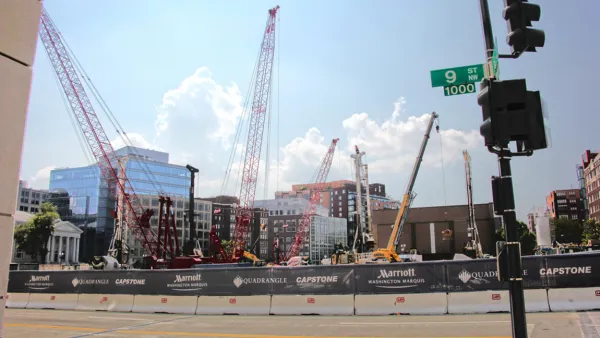
Opinion: Massachusetts Should Prioritize 'Shovel-Worthy' Projects
When distributing new federal funding, state leaders should ensure that selected projects are aligned with the state's climate resilience goals.
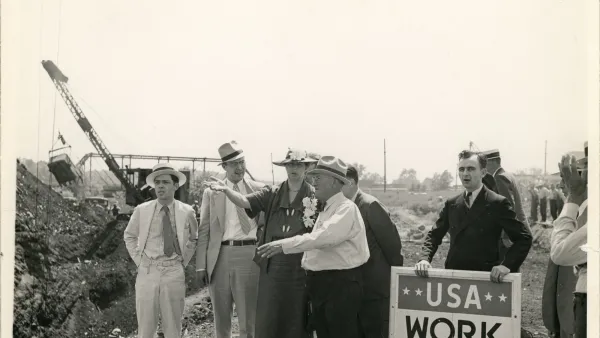
Biden Learning From the Unrealistic Expectations of Past Economic Stimulus Efforts
Taking lessons from his time working in the Obama administration, President Biden is tempering promises of quick job creation with long-term reinvestment.
Obama Concedes Problems With "Shovel-Ready" Requirement
In an interview with the New York Times, President Obama admits that, quote, "there’s no such thing as shovel-ready projects."

Planetizen Federal Action Tracker
A weekly monitor of how Trump’s orders and actions are impacting planners and planning in America.

The state-sanctioned urbicide of Austin
People don’t kill cities. Freeways do.

US to reduce Colorado River water deliveries to Mexico
A new Colorado Treaty amendment reduces Mexico’s Colorado River water allocation by 250,000 acre feet.

5 New England states march closer to 800 megawatt wind energy project
Securing federal approval for the project may be complicated under the Trump administration, which has historically been hostile towards domestic wind power.

Baltimore to break ground on $50 million Transit Priority Project
The project will bring faster bus trips, safer streets and better bike connections to Baltimore.

Airbnb launches $250 million 'last-dollar financing' housing accelerator, makes first investment in Austin
The company will put $6.4 million towards affordable housing development in Texas’ capital.

FREE Course: Walkable City 1: Why Walkability?
After describing his path towards focusing on walkability as the essence of good planning, Jeff Speck marches through his five principal reasons for making more walkable places.
Reinventing Malls: Planning Alchemy—Turning Gray Fields Into Gold
The course focuses on the opportunities and imperatives that shape reinvention of mall sites.

Eagle County Government
Harvard University Graduate School of Design
Nashville Planning Department
The Architects Foundation
University of Cincinnati Online
The Pocatello Development Authority
The Urban Renewal Agency of the City of Pocatello
Journal of the American Planning Association