With cars prohibited into the National Mall, and trains booked up for weeks, Washington's mass transit system was pushed to its limits this morning as people crammed in for the inauguration.


"Widespread road closures, including all six of the bridges spanning the Potomac and Anacostia rivers and the major highways linking the nation's capital with Northern Virginia, forced visitors to bike, walk or take the bus or train downtown. Once downtown, they encountered a surreal scene: armored military vehicles blocked off streets that are usually packed with cars, and hordes tried to squeeze through checkpoints to enter the mall.
Already, much of the mall between the Capitol and the Washington Monument -- an area roughly a mile long and two hundred yards wide and capable of filling with an estimated 1.5 million people -- is jammed with people standing shoulder to shoulder in sub-freezing temperatures.
With car traffic blocked and commuter trains and charter buses sold out weeks in advance, the biggest strain appears to be falling on the Washington Metrorail system, which started operating rush hour service at 4 a.m. and had processed over 409,000 riders by 9 a.m. Motorists queued up to enter station parking lots across the area before they opened, and by 6 a.m. several were already full."
Read the full story: Inauguration Crowds Overwhelm D.C. Transit

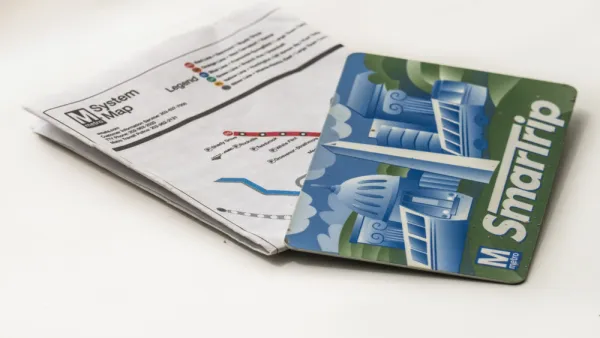
Smartphone Fare Cards Now Available for D.C. Metro
The future is now.
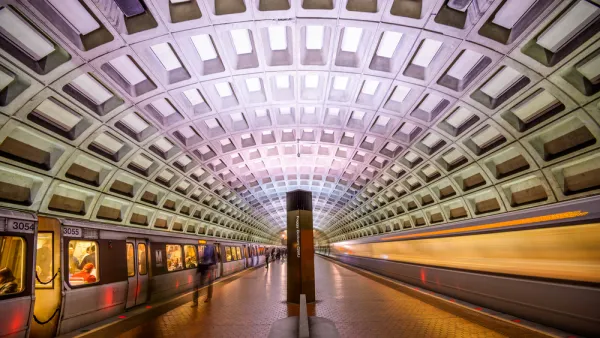
Showdown Over Late Night Hours on D.C. Metro
The general manager of D.C. Metro wants to extend limited late night rail service, in place for two years, into 2019 and beyond. Metro board members have had enough.
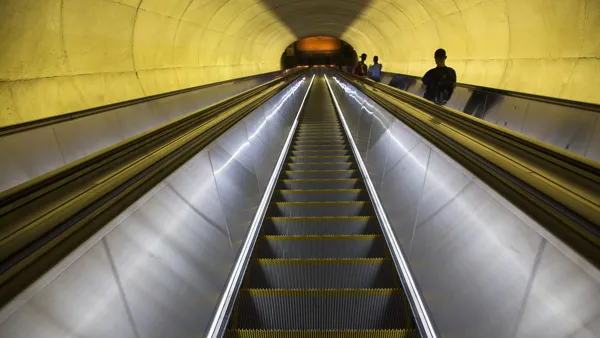
Additional Funding, Service Increase Sought by D.C. Metro Officials
For the first time in years, there is talk of expanding service on existing rail lines in the Washington Metropolitan Area Transit Authority (Metro) system.

Amtrak, CN end decades-long dispute with eight-year agreement
The new operating agreement establishes an updated framework for the companies to work together, including processes to resolve disputes.

Judges permit Denver to divert 77,000 acre feet from the Colorado River for reservoir expansion
Overuse and climate change have caused the Colorado River’s water levels to plummet.
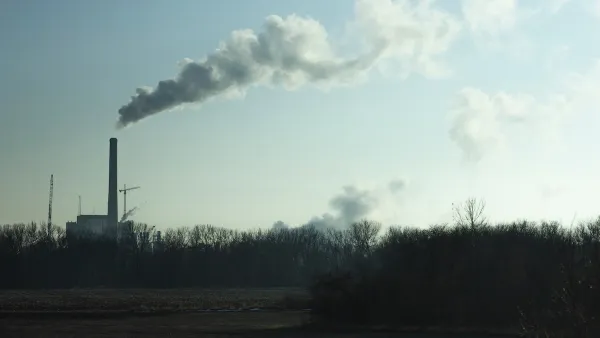
Nation's most wind-powered state turns to coal as data centers increase energy demand
For the first time in decades, Iowa has increased its generation of coal power.

Boston has spent millions making the Green Line more accessible — and there’s no end in sight
While the city has invested millions into expanding and adding platforms to the Green Line to make it more accessible, new train cars set to arrive next year will be too tall for disabled passengers to board without raising the current platforms.

Idaho may see an 18% drop in federal surface transit funding — the largest estimated cut in the US
Transit systems in rural communities are much more reliant on federal funding to provide their services.

How ‘post-disaster gentrification’ alters neighborhoods after natural calamities
After hurricanes, fires or other calamities, the original residents of a community are often replaced by younger, wealthier residents.

FREE Course: Walkable City 1: Why Walkability?
After describing his path towards focusing on walkability as the essence of good planning, Jeff Speck marches through his five principal reasons for making more walkable places.
Reinventing Malls: Planning Alchemy—Turning Gray Fields Into Gold
The course focuses on the opportunities and imperatives that shape reinvention of mall sites.

City of Wisconsin Rapids
Harvard University Graduate School of Design
KFH Group Inc.
The Architects Foundation
University of Cincinnati Online
The Pocatello Development Authority
The Urban Renewal Agency of the City of Pocatello