Canada is now on the road to developing enough capacity to have at least some residents in every province receiving at least some of their energy from turbines.


"Despite having a huge land mass and some of the world's best sites for turning the energy in wind into electricity - particularly along the Atlantic, Pacific and Great Lakes coastlines and on the Prairies - Canada has been a laggard when it comes to installing wind turbines. Last year, it reached a relatively modest milestone, as wind power met 1 per cent of the country's electricity demand for the first time.
But despite wind's minute contribution to Canada's energy mix, it may be poised for a breakthrough. One sign that a dramatic expansion could be in the offing is that whenever provinces put out tenders for new wind farms, they're swamped by offers to build them.
Manitoba Hydro's recent request for wind energy elicited more than 80 offers. In total, companies were willing to build 30 times more wind-generating capacity than the province was seeking. The province selected a 300-megawatt wind farm, to be the largest in the country when it begins operating in southern Manitoba in 2011."
Read the full story: A revolution in the air

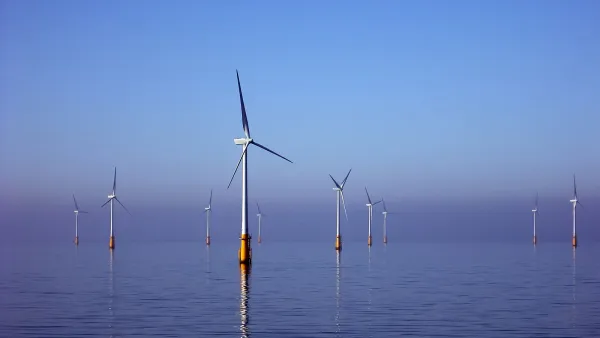
Offshore Wind Energy Faces Challenges on West Coast
Unique geography and high costs have stymied offshore wind energy production in California, but new incentives and innovations could soon make it more accessible.
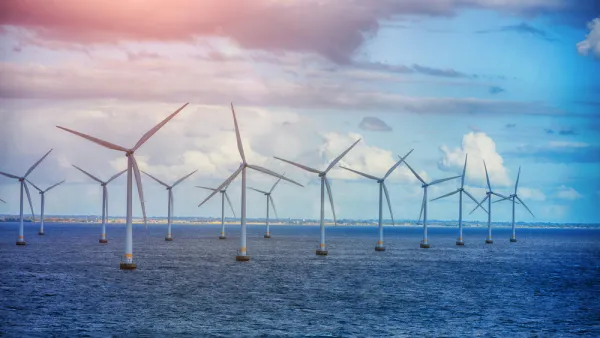
Proposed Offshore Wind Project Could Be the West Coast’s Largest
If approved, the plan to build a 2,000-megawatt facility off the coast of Washington State would be a milestone for floating offshore wind production in the United States.
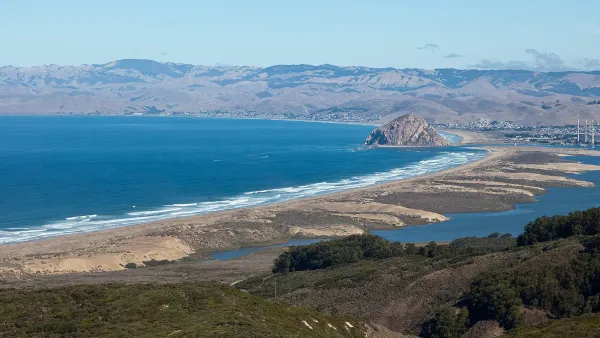
Chumash Tribe Opposes Offshore Wind in Proposed Marine Sanctuary
Environmentalists decry the proposed wind farm as harmful to the fragile ecosystem of the Central California coast.

Planetizen Federal Action Tracker
A weekly monitor of how Trump’s orders and actions are impacting planners and planning in America.

Amtrak, CN end decades-long dispute with eight-year agreement
The new operating agreement establishes an updated framework for the companies to work together, including processes to resolve disputes.

Judges permit Denver to divert 77,000 acre feet from the Colorado River for reservoir expansion
Overuse and climate change have caused the Colorado River’s water levels to plummet.

Northwest rail fans eager for Sept. 30 debut of Amtrak’s Airo fleet
Get ready for that new train smell and more seats. But they won’t go faster or run more frequently on the Cascades route in Washington and Oregon.

NYC DOT wants faster, more permanent street upgrades
The city is examining ways to build more concrete infrastructure without getting entangled in 'decades-long' projects.

'Something we’ve never seen before:' rising utility rates could strain city finances nationwide
Data centers, climate change and other factors have caused utility rates in the United States to increase by 38% since 2020.

FREE Course: Walkable City 1: Why Walkability?
After describing his path towards focusing on walkability as the essence of good planning, Jeff Speck marches through his five principal reasons for making more walkable places.
Reinventing Malls: Planning Alchemy—Turning Gray Fields Into Gold
The course focuses on the opportunities and imperatives that shape reinvention of mall sites.

Harvard University Graduate School of Design
KFH Group Inc.
Greater Baltimore Committee
The Architects Foundation
University of Cincinnati Online
The Pocatello Development Authority
The Urban Renewal Agency of the City of Pocatello