Alex Steffen at WorldChanging turns the climate change problem inside out to reconsider whether the form of energy is the true issue, rather than how much is wasted and how we use it.


"Given that a large percentage of greenhouse gasses comes from the burning of fossil fuels, it seems odd to contend that climate change is not a problem created by our energy choices. Certainly, no one with any credibility denies that coal, oil and gas use is changing the climate, and I don't mean to suggest that at all (though it is also worth not losing sight of the considerable emissions that come from farming, forestry, the chemical industries and other sources).
What I mean is that when we look to address the central challenge presented by climate change -- creating widespread prosperity while lowering, and then eliminating, emissions -- changing energy sources might play a much less important role than we've been trained to think. The kind of energy we use, in other words, while important, may not be anywhere near as important as three other considerations: whether we use the energy we create at all; how we use it; and how we live."
Read the full story: What if Climate Change is Not an Energy Problem?


'Something we’ve never seen before:' rising utility rates could strain city finances nationwide
Data centers, climate change and other factors have caused utility rates in the United States to increase by 38% since 2020.
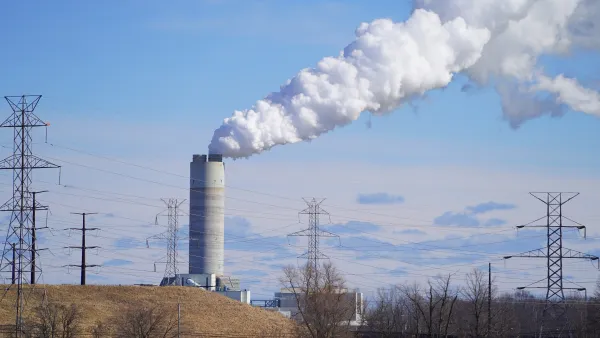
EPA erases limits on planet-warming pollution from power plants
Under Monday’s plan, power plants would still have some limits on how much mercury, arsenic and other contaminants they can emit.

Climate change is battering US water systems
The American Water Works Association estimates that roughly $2 trillion will be needed to update municipal water systems for contemporary conditions.

Planetizen Federal Action Tracker
A weekly monitor of how Trump’s orders and actions are impacting planners and planning in America.

‘Going backwards:’ Baltimore mayor, students rally against state's transit funding plan
Maryland's proposed six-year plan provides no funding for Baltimore’s BMORE bus program and reduces its road maintenance funding.

Detroit to transform waterfront with $2.2 billion investment
Developers will convert about 18 acres of unused parking lot space into civic spaces.

HUD modernizes 50-year-old manufactured housing framework
The Next Generation Manufactured Housing Action Plan establishes new energy-efficiency standards for manufactured homes, and new guidelines for anchoring them.

New CA housing laws tear down development red tape
Recently-signed legislation makes building starter homes and ADUs cheaper and faster in California.

Metrolink finishes first expansion in 20 years
The transit agency is now one of very few in the United States to connect two major airports.

FREE Course: Walkable City 1: Why Walkability?
After describing his path towards focusing on walkability as the essence of good planning, Jeff Speck marches through his five principal reasons for making more walkable places.
Reinventing Malls: Planning Alchemy—Turning Gray Fields Into Gold
The course focuses on the opportunities and imperatives that shape reinvention of mall sites.

One Hundred Miles
County of Mendocino
planning NEXT
The Architects Foundation
University of Cincinnati Online
Montrose County
Northern Illinois Transit Authority (NITA)
The Pocatello Development Authority