Modern Jakarta has turned its back on its historic core, founded in 1619 by Dutch colonists. A handful of people are now trying to save the historic streets and building from ruin.


[Kartum Setiawan, a museum director] and other local history enthusiasts who want to save these long-neglected streets from ruin face a daunting task. City authorities have their hands full providing services to Jakarta's 14 million or more people, many of them struggling to make a living. City Governor Fauzi Bowo has paid lip service to the need to conserve historic sites and attract more tourists, but there's little new money available.
Mr. Bowo has also proposed tapping private foundations for help and inviting creative industries to set up in areas like Kota as a way to revive its fortunes. But that is impossible as long as the building owners have no real incentives to preserve their character, says Tamalia Alisjahbana, executive director of the National Archives Building Foundation.
Heritage laws forbid additions to listed buildings, so private landlords often let their properties fall into disrepair so they can be knocked down, rather than invest in their upkeep. Many other colonial buildings were nationalized after independence, but the government bureaucrats in charge are economic planners, not culture officials, and aren't keen on expensive restorations.
Read the full story: Jakarta's urban heritage gains an audience

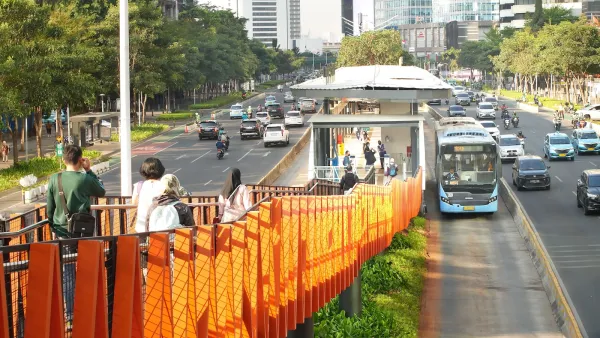
How Jakarta built the world's largest BRT system
Once known for total gridlock, the Indonesian capital has transformed itself into a public transit leader.
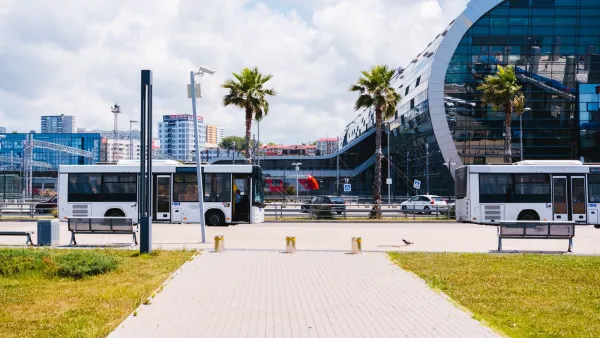
The Surprising Ways Cities Work to Clean the Environment
Municipal programs and urban design offer cities multiple, perhaps surprising ways, to clean the environment.
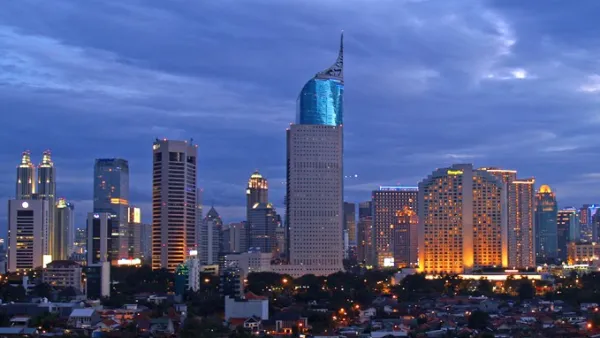
Jakarta's Suburb in the Sky
A rooftop housing development in the Indonesian capital takes the suburb to new heights.

Planetizen Federal Action Tracker
A weekly monitor of how Trump’s orders and actions are impacting planners and planning in America.

‘Going backwards:’ Baltimore mayor, students rally against state's transit funding plan
Maryland's proposed six-year plan provides no funding for Baltimore’s BMORE bus program and reduces its road maintenance funding.
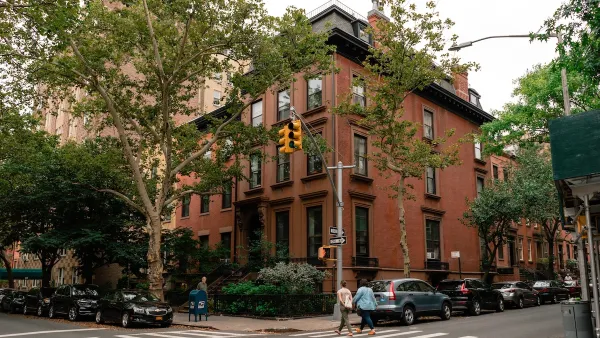
Mamdani sent nearly 6,000 pied-à-terre tax warnings to homes that didn’t qualify
A judge has ordered the administration to cancel thousands of pied-à-terre tax notices after it sent 35% of them erroneously.

Mamdani sent nearly 6,000 pied-à-terre tax warnings to homes that didn’t qualify
A judge has ordered the administration to cancel thousands of pied-à-terre tax notices after it sent 35% of them erroneously.

Detroit to transform waterfront with $2.2 billion investment
Developers will convert about 18 acres of unused parking lot space into civic spaces.

‘Going backwards:’ Baltimore mayor, students rally against state's transit funding plan
Maryland's proposed six-year plan provides no funding for Baltimore’s BMORE bus program and reduces its road maintenance funding.

FREE Course: Walkable City 1: Why Walkability?
After describing his path towards focusing on walkability as the essence of good planning, Jeff Speck marches through his five principal reasons for making more walkable places.
Reinventing Malls: Planning Alchemy—Turning Gray Fields Into Gold
The course focuses on the opportunities and imperatives that shape reinvention of mall sites.

City of Thousand Oaks
City of Wisconsin Rapids
Harvard University Graduate School of Design
The Architects Foundation
University of Cincinnati Online
Northern Illinois Transit Authority (NITA)
The Pocatello Development Authority
The Urban Renewal Agency of the City of Pocatello