The Dallas City Council ponders a form-based code, designed to encourage neighborhoods where driving isn't required to get around.


"Planners are eager for the city to implement what is known as "form-based zoning" because they think it will help move the city away from its history of developing around the automobile, with stores, homes and offices at far remove.
"After several hours of discussion Wednesday at a City Council meeting, Mayor Tom Leppert decided that the council will vote at its Dec. 10 meeting on a new form-based zoning ordinance.
"Despite significant differences between city planners and a broad-based coalition of developers, neighborhood representatives, preservationists and others, there is agreement that Dallas needs to make it simpler to build classic urban neighborhoods of the style seen in most major American cities.
"'We haven't created [in large numbers] the type of neighborhoods where people can live and work and shop without getting into their cars,' said Theresa O'Donnell, director of Dallas's Development Services department.
"For too long, Dallas zoning laws have been based on a building's use rather than how it looks and functions in connection with the buildings around it and the city in general, Ms. O'Donnell said.
"By using form-based zoning, developers would be able to build neighborhoods where the look and function of the buildings are more important than what happens inside of them."
FULL STORY: Dallas zoning proposal aims for urban living

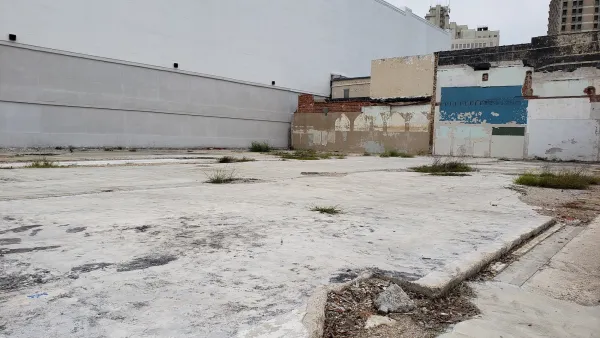
Vacant lots in south Dallas are giving way to affordable housing
A land use analysis found that Dallas could increase tax revenue and close resource gaps if it invests in vacant lot redevelopment.

Dallas area transit prepares for World Cup, asks locals to drive
DART is adding a special shuttle service and creating back-up mechanisms to ensure it can serve all of this summer's World Cup attendees.
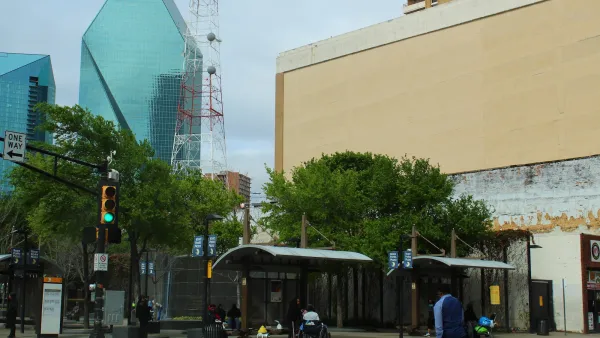
Dallas transit to invest up to $71.5M in upgraded bus shelters
The new shelters will feature solar-powered lighting and materials designed to protect riders from extreme weather.

Planetizen Federal Action Tracker
A weekly monitor of how Trump’s orders and actions are impacting planners and planning in America.

The state-sanctioned urbicide of Austin
People don’t kill cities. Freeways do.

US to reduce Colorado River water deliveries to Mexico
A new Colorado Treaty amendment reduces Mexico’s Colorado River water allocation by 250,000 acre feet.

5 New England states march closer to 800 megawatt wind energy project
Securing federal approval for the project may be complicated under the Trump administration, which has historically been hostile towards domestic wind power.

Baltimore to break ground on $50 million Transit Priority Project
The project will bring faster bus trips, safer streets and better bike connections to Baltimore.

Airbnb launches $250 million 'last-dollar financing' housing accelerator, makes first investment in Austin
The company will put $6.4 million towards affordable housing development in Texas’ capital.

FREE Course: Walkable City 1: Why Walkability?
After describing his path towards focusing on walkability as the essence of good planning, Jeff Speck marches through his five principal reasons for making more walkable places.
Reinventing Malls: Planning Alchemy—Turning Gray Fields Into Gold
The course focuses on the opportunities and imperatives that shape reinvention of mall sites.

Eagle County Government
Harvard University Graduate School of Design
Nashville Planning Department
The Architects Foundation
University of Cincinnati Online
The Pocatello Development Authority
The Urban Renewal Agency of the City of Pocatello
Journal of the American Planning Association