In what may prove a decisive test to see the political limits of what green building offers developers, a LEED Platinum, 10-story office building is proposed along San Francisco's tightly regulated waterfront - exceeding the height limit by 40 feet.


The "city's Planning Commission supported the plan on a 4-3 vote, but city planners, architecture critics and some neighbors say they wish the 123-foot, 10-story building could conform to the waterfront's 84-foot height limits. They say the building is too tall for the city's majestic shoreline and might set a bad precedent for future development along the boulevard."
"Project developers say a big chunk of the structure's estimated $58 million price tag is the result of its predicted Platinum environmental rating - the best score granted by the U.S. Green Building Council. The building would replace a long vacant two-story structure.
According to one developer, "only five commercial buildings exist in the United States with a Platinum rating, and none is on the West Coast."
"As it stands, 110 The Embarcadero would include a host of green characteristics, including solar panels, recycled wood and a wastewater recycling system.
Chronicle architecture critic John King said the building could be "the most exquisite addition to the waterfront since the Embarcadero Freeway came down in 1991." But King described its height as "clumsy," recommending that it be lowered one or two stories."
Read the full story: Debate on plan for greenest West Coast building
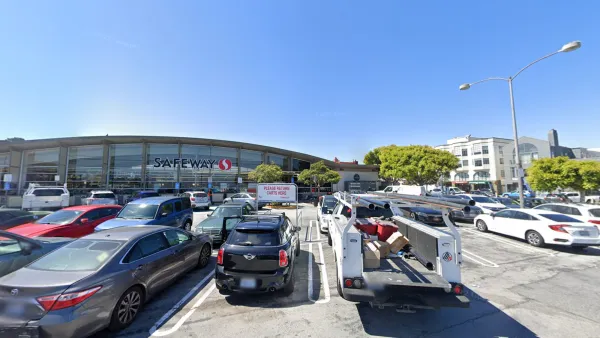
Debate over proposed 800-unit tower in San Francisco reveals generational divide in the housing crisis
Residents of the Marina District are up in arms over a proposed housing development above a Safeway store.
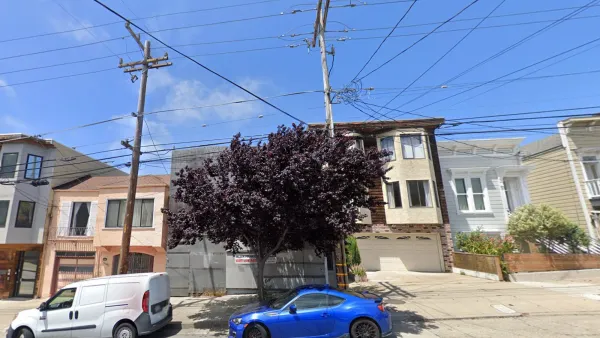
8-story tower is San Francisco's first project approved under new upzoning rules
Some neighbors call the project out of scale for the area, which has not grown beyond two- and three-story buildings in decades.

San Francisco Could Strike Deal on New Tower
The city is leveraging height increases and density bonuses to acquire more properties for affordable housing.

Planetizen Federal Action Tracker
A weekly monitor of how Trump’s orders and actions are impacting planners and planning in America.

California plans to bury El Niño’s downpour
If the state plays its cards right, it may be able to store a billion acre-feet of El Niño’s water in aquifers.

Desperate measures: Advocates weigh draining Lake Powell to fill Colorado River
Draining the reservoir could reduce evaporation losses by a couple hundred thousand acre-feet.

Study reveals best places in the U.S. for cycling, walking
New research from Streetlight Data examines bicycle and pedestrian miles per capita in the 100 largest U.S. cities by population.

Los Angeles just elected an urban planner as its mayor
Transportation analysts are optimistic that Raman will be more aggressive in addressing transit issues than Bass.

Mamdani’s pied-à-terre tax survives legal challenge
A panel of judges found that the plaintiffs failed to demonstrate injury as a result of New York City's implementation of the tax.

FREE Course: Walkable City 1: Why Walkability?
After describing his path towards focusing on walkability as the essence of good planning, Jeff Speck marches through his five principal reasons for making more walkable places.
Reinventing Malls: Planning Alchemy—Turning Gray Fields Into Gold
The course focuses on the opportunities and imperatives that shape reinvention of mall sites.

City of Rosemead
Rutgers University, Edward J. Bloustein School of Planning and Public Policy
One Hundred Miles
University of Michigan School for Environment and Sustainability (SEAS)
Hunter College, City University of New York (CUNY)
The Architects Foundation
City of Cambridge
Montrose County
The Pocatello Development Authority