Wendell Cox reviews Atlanta's new Atlantic Station, and is pleasantly surprised to find lots of parking underneath the New Urbanist-style development. Could this be the inevitable blend of urban and suburban?


"Atlantic Station is traditionally urban but is surprisingly suburban. On the surface, Atlantic Station appears to fit many of the New Urbanist design criteria. The buildings start at the sidewalk (pavement) line, rather than being behind parking lots. There are no indoor shopping malls. Instead the stores are directly on the streets, reminiscent of old downtowns or the first shopping centers, like Country Club in Kansas City.
Some of the normally superficial New Urbanism, however, is even more ephemeral in Atlantic Station. For one thing, prime New Urbanist lynchpins --- anti-automobile design, pedestrian orientation, transit orientation, paid parking, banning of big box stores --- do not apply there."
Read the full story: Atlanta's Atlantic Station: The Suburbs Come to the City


Northwest Arkansas grapples with growth as it prepares to host New Urbanism gathering
A compelling story of a fast-growing, polycentric region grappling with identity and affordability, Susan Henderson reframes CNU 34 as a hands-on workshop, inviting planners to explore Northwest Arkansas as it decides what it will become.
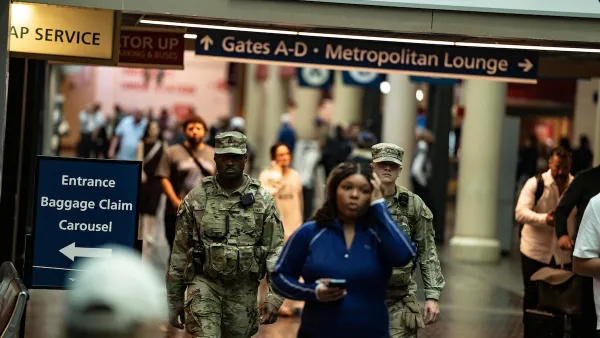
Trump Plans Takeover of DC's Union Station
USDOT says it will take over management duties for the commercial spaces managed by Amtrak since last year and address the building’s infrastructure needs.
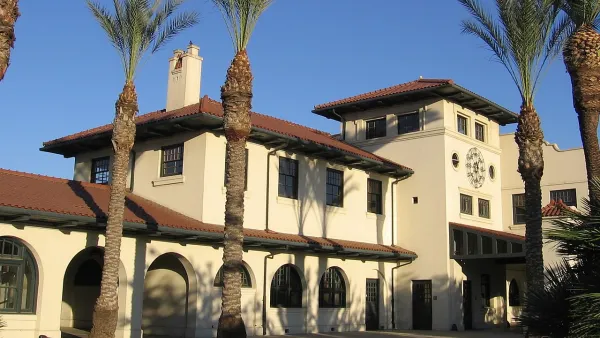
Historic Fresno Train Depot Will Become Part of HSR Station
The 150-year-old building will see new life as a retail space as part of a flurry of new development along the upcoming high-speed rail line.

Planetizen Federal Action Tracker
A weekly monitor of how Trump’s orders and actions are impacting planners and planning in America.

Amtrak, CN end decades-long dispute with eight-year agreement
The new operating agreement establishes an updated framework for the companies to work together, including processes to resolve disputes.

Northwest rail fans eager for Sept. 30 debut of Amtrak’s Airo fleet
Get ready for that new train smell and more seats. But they won’t go faster or run more frequently on the Cascades route in Washington and Oregon.

NYC to turn city-owned property into thousands of homes
The city has scheduled a public hearing regarding the development for October.

Buses travel at 5mph along this route in NYC. The Bronx's first-ever busway looks to change that
Prior to the busway, buses on the Bx36 route traveled as slowly as 5 miles per hour.

Pittsburg launches 'EZ permits,' aims for one-day turnaround for low-risk permits
The pilot ‘fast lane’ for permits is part of a bundle of modernization efforts for Pittsburg’s permitting process.

FREE Course: Walkable City 1: Why Walkability?
After describing his path towards focusing on walkability as the essence of good planning, Jeff Speck marches through his five principal reasons for making more walkable places.
Reinventing Malls: Planning Alchemy—Turning Gray Fields Into Gold
The course focuses on the opportunities and imperatives that shape reinvention of mall sites.

City of Thousand Oaks
City of Wisconsin Rapids
Harvard University Graduate School of Design
The Architects Foundation
University of Cincinnati Online
The Pocatello Development Authority
The Urban Renewal Agency of the City of Pocatello