A new book documents the re-branding of New York from its days of crime and squalor in the 1970s to today, when Mayor Bloomberg has an appointed chief marketing officer.


"The book, which focuses on the 1970s, argues that branding is not new - but not so old, either.
Dr. [Miriam] Greenberg, an assistant professor of sociology at the University of California at Santa Cruz... traces the origins of the modern-day branding of New York to the fiscal crisis and urban malaise of the 1970s - a period known for civil unrest, blackouts, strikes, fiscal insolvency, neighborhood abandonment, graffiti-covered subways and soaring crime.
The city's own media industry, which was expanding in this period, covered the chaos, Dr. Greenberg writes, while the city shifted to a postindustrial economy in which 'image-sensitive' factors like bond ratings, tourist attitudes, corporate location decisions and real estate values were increasingly emphasized. She argues that this led to an 'image crisis' fueled by the fiscal and urban crisis of that era - and that, through a process that involved consultants' reports, marketing campaigns, magazine covers and public-private partnerships, the city and its business establishment carefully cultivated an image of New York as a hip, fun and tourist-friendly destination - an image that to this day is carefully protected, almost like a municipal mandate."
Read the full story: When New York Branded Its Way Out of Crisis
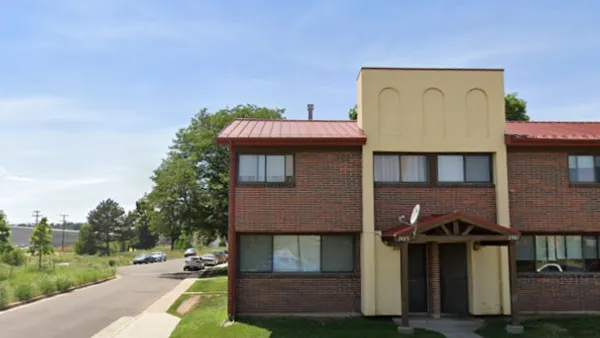
Does Branding Play a Role in Redevelopment?
One Denver neighborhood’s massive redevelopment project includes a branding element. Is it necessary?

Placemaking for Place Marketing
Looking to boost awareness of the special charms of your unique city? Look for chances to leverage placemaking when place marketing.
Private Branding of the Public City
Oracle Park, the Blue Shield of California Theater, Ford GoBike—branding abounds in San Francisco.

Planetizen Federal Action Tracker
A weekly monitor of how Trump’s orders and actions are impacting planners and planning in America.

California plans to bury El Niño’s downpour
If the state plays its cards right, it may be able to store a billion acre-feet of El Niño’s water in aquifers.

Desperate measures: Advocates weigh draining Lake Powell to fill Colorado River
Draining the reservoir could reduce evaporation losses by a couple hundred thousand acre-feet.

In Texas, data centers are swallowing promised parkland
Residents who moved to Taylor, Texas for a rural community now have to contend with three data centers in their backyard.

How a Chicago-sized wind farm beat the odds and powered on
The project spanned five presidential administrations and a standoff with a U.S. military base.

MTA gives itself 30 days to transform pit into basketball court
The site has been under construction since 2022; the city originally estimated it would finish the court in 2024.

FREE Course: Walkable City 1: Why Walkability?
After describing his path towards focusing on walkability as the essence of good planning, Jeff Speck marches through his five principal reasons for making more walkable places.
Reinventing Malls: Planning Alchemy—Turning Gray Fields Into Gold
The course focuses on the opportunities and imperatives that shape reinvention of mall sites.

City of Rosemead
Rutgers University, Edward J. Bloustein School of Planning and Public Policy
One Hundred Miles
Hunter College, City University of New York (CUNY)
The Architects Foundation
University of Cincinnati Online
City of Cambridge
Montrose County
The Pocatello Development Authority