Though more than a hundred years newer, the city of San Francisco has a lot to teach cities like Charleston about preserving their less-than-iconic historic areas.


"The plan doesn't dwell on Charleston's main historic district but rather maps out a list of recommendations for how to extend the city's strong preservation ethic into new areas, such as its 20th-century neighborhoods that are becoming more historic every day."
"If it seems odd that Charleston would hire a preservation consulting team from a city founded more than a century after Charleston, the answer might lie in the similarity of their current struggles."
"The waterfront and neighborhoods south of San Francisco's downtown include a mix of industrial and working class housing built shortly after 1906, when a major earthquake and fire laid waste to much of the city."
"As with Charleston, the industrial and port uses gradually drifted away to other parts of the metro area, leaving behind a gritty area awaiting a rebirth."
Read the full story: What we could learn from San Francisco

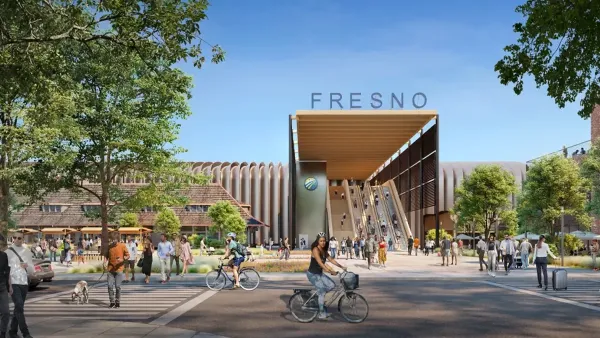
California High-Speed Rail Authority picks trainset manufacturer
The California High-Speed Rail Authority aims to start servicing passengers by 2033.
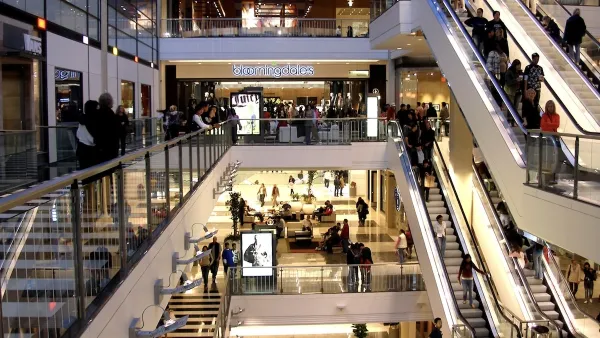
SF weighs putting data center inside abandoned mall
An unnamed technology company may buy the entire building, and convert one-third of it into what development consultants are calling a “regenerative urban energy center.”
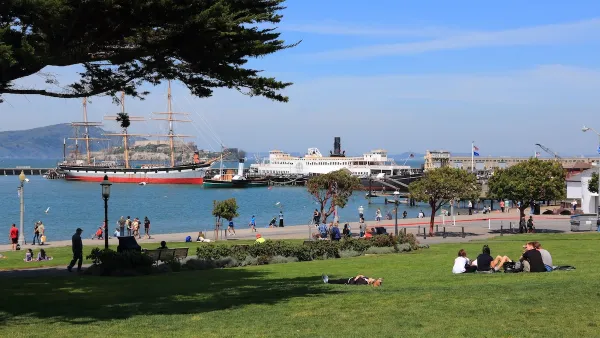
SF residents can no longer use potential shadows to block housing developments
The SHADE act also halves the allotted time for certain appeals before projects can progress.

Planetizen Federal Action Tracker
A weekly monitor of how Trump’s orders and actions are impacting planners and planning in America.

California plans to bury El Niño’s downpour
If the state plays its cards right, it may be able to store a billion acre-feet of El Niño’s water in aquifers.

Desperate measures: Advocates weigh draining Lake Powell to fill Colorado River
Draining the reservoir could reduce evaporation losses by a couple hundred thousand acre-feet.

Chicago Avenue bridge construction delays enrages city leaders
The bridge has been closed since 2025. The city originally aimed to re-open it in December, and now expects to finish construction in 2027.

NYC bus network redesign speeds up Queens buses
Rush routes have seen a 4.6% speed increase after the redesign.

California High-Speed Rail Authority picks trainset manufacturer
The California High-Speed Rail Authority aims to start servicing passengers by 2033.

FREE Course: Walkable City 1: Why Walkability?
After describing his path towards focusing on walkability as the essence of good planning, Jeff Speck marches through his five principal reasons for making more walkable places.
Reinventing Malls: Planning Alchemy—Turning Gray Fields Into Gold
The course focuses on the opportunities and imperatives that shape reinvention of mall sites.

City of Rosemead
Rutgers University, Edward J. Bloustein School of Planning and Public Policy
One Hundred Miles
Hunter College, City University of New York (CUNY)
The Architects Foundation
University of Cincinnati Online
City of Cambridge
Montrose County
The Pocatello Development Authority