Rising temperatures, shrinking ice packs and the salinization of coastal fresh water sources are all contributing to a growing water crisis in the United States.


"At least 36 states are expected to face water shortages within the next five years, according to U.S. government estimates. Available freshwater supplies are dwindling across the country due to rising temperatures and droughts, while increasing sprawl, population and inefficient resource usage are leading to rising demand.
Rising temperatures due to global warming have increased evaporation rates across the country and reduced the availability of important water sources. One of these is the Sierra Nevada snowpack, which supplies a significant portion of California's water. Across the West, similar trends are expected to reduce flows of the Colorado River, which supplies water for seven states.
Meanwhile, rising sea levels are expected to cause saltwater to infiltrate freshwater aquifers in coastal states, rendering that water unusable.
Other threatened regions include the Midwest, where the Great Lakes are shrinking, and upstate New York, where reservoir levels have fallen to record lows. Georgia's crisis has already arrived, and Florida's is expected to hit soon."
Read the full story: Thirty-Six U.S. States to Face Water Shortages in the Next Five Years
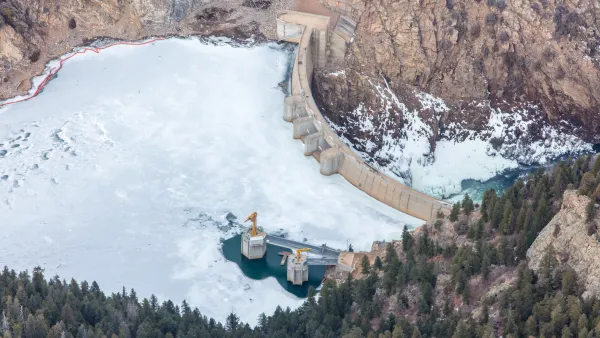
Instead of water, sediment from droughts and wildfire is choking U.S. dams
Sediment has filled 8% of dam storage capacity in the United States. Because of climate change, researchers expect it will only accumulate quicker.
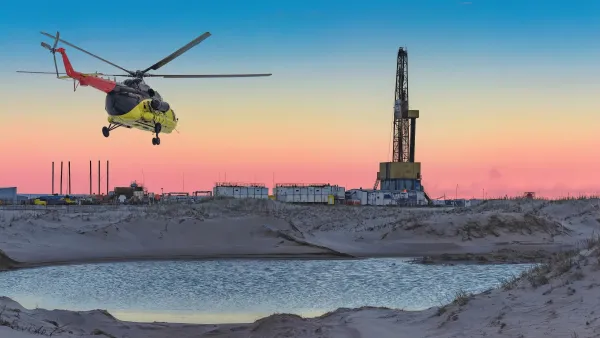
122 ‘carbon major’ companies to blame for half of the West’s lost water
A first-of-its-kind study found that “carbon major” companies drained the west of trillions of gallons of water.
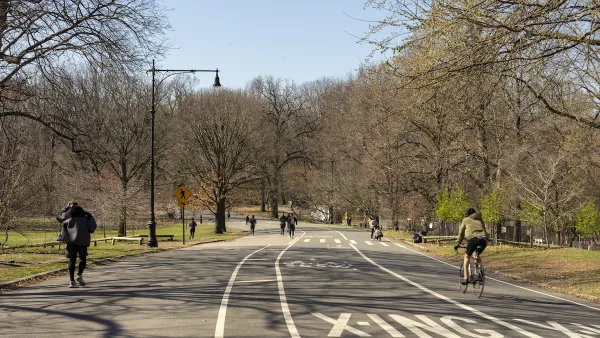
New Yorkers Face New Climate Risks
A two-acre fire in a city park prompted city officials to ban grilling while urging residents to conserve water to limit the impact of a historic drought.

Planetizen Federal Action Tracker
A weekly monitor of how Trump’s orders and actions are impacting planners and planning in America.

Eastern Nebraska is running out of electricity
Data centers and electrification are straining eastern Nebraska’s grid, throttling economic development.

Study reveals best places in the U.S. for cycling, walking
New research from Streetlight Data examines bicycle and pedestrian miles per capita in the 100 largest U.S. cities by population.

DSA members accuse Mamdani of 'abandoning values' over housing redevelopment
New York City's mayor plans to replace about 2,000 units of public housing with private, mixed-income housing.

All sides of BRT debate unhappy with CDOT’s most recent move
The Colorado Department of Transportation is no longer considering center-running bus lanes for Colorado Boulevard.

Massachusetts bogs generate both power, and cranberries
Putting solar panels above farmland is one way Massachusetts is advancing toward its goal of net-zero carbon emissions by 2050.

FREE Course: Walkable City 1: Why Walkability?
After describing his path towards focusing on walkability as the essence of good planning, Jeff Speck marches through his five principal reasons for making more walkable places.
Reinventing Malls: Planning Alchemy—Turning Gray Fields Into Gold
The course focuses on the opportunities and imperatives that shape reinvention of mall sites.

City of Rosemead
Rutgers University, Edward J. Bloustein School of Planning and Public Policy
One Hundred Miles
University of Michigan School for Environment and Sustainability (SEAS)
Hunter College, City University of New York (CUNY)
The Architects Foundation
City of Cambridge
The Pocatello Development Authority
The Urban Renewal Agency of the City of Pocatello