A Los Angeles Times article titled "Web Proves Its Capacity to Help in Time of Need" documents the importance of the Web as a communications medium. It reunited families and connected them with shelter. It turned amateur photographers into chroniclers of history and ordinary people into pundits. It allowed television stations to keep broadcasting and newspapers to keep publishing. It relayed heartbreaking tales of loss and intimate moments of triumph... The Internet has played a larger and larger role in every major news event of the last 10 years...In the aftermath of Katrina, use of the Internet is more vital and varied than ever.


A Los Angeles Times article titled "Web Proves Its Capacity to Help in Time of Need" documents the importance of the Web as a communications medium.
It reunited families and connected them with shelter. It turned amateur photographers into chroniclers of history and ordinary people into pundits. It allowed television stations to keep broadcasting and newspapers to keep publishing. It relayed heartbreaking tales of loss and intimate moments of triumph...
The Internet has played a larger and larger role in every major news event of the last 10 years...In the aftermath of Katrina, use of the Internet is more vital and varied than ever.
The Internet started out as military communication network designed to survive a nuclear war. What is striking is that today it is not the military or the government but rather ordinary citizens, media companies, and businesses that seem to come up with rapid, innovative, and effective ways to use the Internet in times of crisis.
What about the government? MSNBC reports:
...it turns out that to make a claim with the Federal Emergency Management Agency's Individual Assistance Center, your Web browser must be Microsoft's Internet Explorer 6 or higher and you must have JavaScript enabled. It even says so right on the page itself. One problem: IE6 isn't available for Macintosh or Linux computers.
This after years of Section 508.
Thankfully, to use one older technology you do not need to worry about operating systems, browser version numbers, and plugins. That technology is radio. The Los Angeles times has a good article on the role radio played in the aftermath of Hurricane Katrina titled "A Lifeline Sent by Airwave"
In the early hours of Sept. 2, several million radio listeners east of the Rocky Mountains could hear the voice of a man on his roof in New Orleans describing what the stars looked like over a city in darkness.
The man's voice sounded serene and mellow. At that moment, he was in total isolation â€" speaking from his rooftop in a city filling up with reeking water, SWAT teams and crowds of angry, hungry, frightened people.
No one could have gotten to him that night, and it is impossible to know whether he survived. But his voice was carried on the 50,000-watt signal of WWL-AM. He sounded close enough to touch.


Planetizen Federal Action Tracker
A weekly monitor of how Trump’s orders and actions are impacting planners and planning in America.
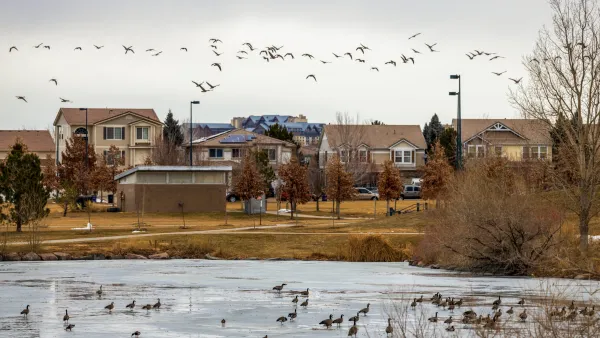
Colorado’s Largest Data Center Could Rise Next to Homes — Without a Public Hearing
The proposed campus would consume 11 times the power of Denver International Airport; as it has across the country, opposition mounts.

US to reduce Colorado River water deliveries to Mexico
A new Colorado Treaty amendment reduces Mexico’s Colorado River water allocation by 250,000 acre feet.

'This is going to be painful:’ Virginia stares down $1.7 billion funding gap for highway maintenance
The state may address the deficit by shifting $290 million from its construction budget to maintenance projects.
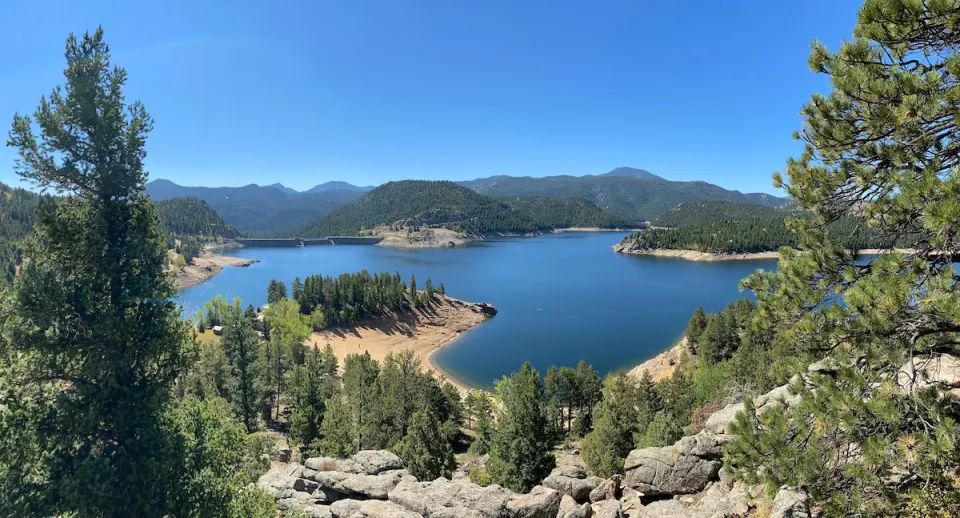
Judges permit Denver to divert 77,000 acre feet from the Colorado River for reservoir expansion
Overuse and climate change have caused the Colorado River’s water levels to plummet.
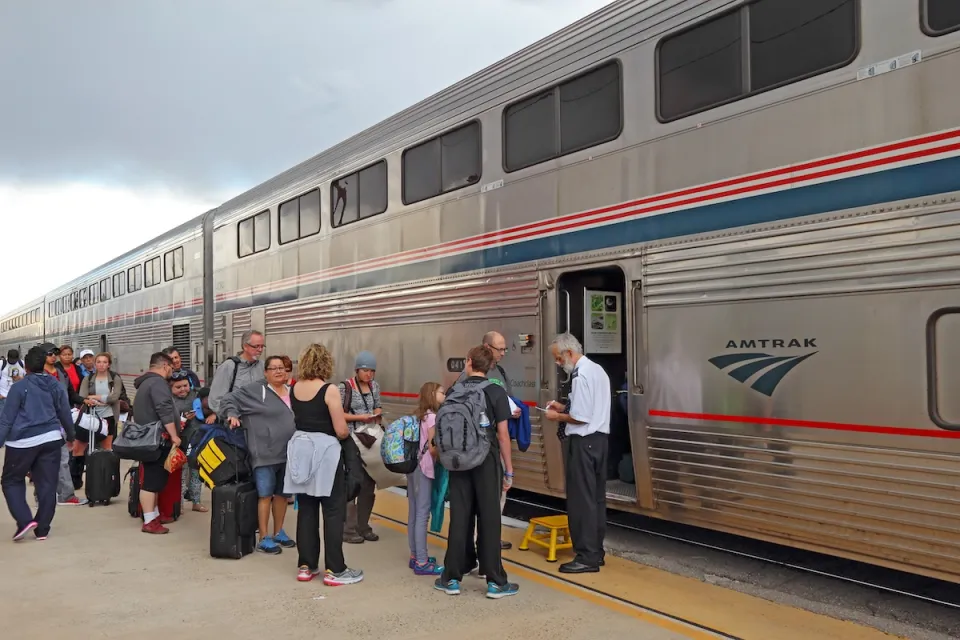
Amtrak, CN end decades-long dispute with eight-year agreement
The new operating agreement establishes an updated framework for the companies to work together, including processes to resolve disputes.

FREE Course: Walkable City 1: Why Walkability?
After describing his path towards focusing on walkability as the essence of good planning, Jeff Speck marches through his five principal reasons for making more walkable places.
Reinventing Malls: Planning Alchemy—Turning Gray Fields Into Gold
The course focuses on the opportunities and imperatives that shape reinvention of mall sites.

KFH Group Inc.
Greater Baltimore Committee
Eagle County Government
The Architects Foundation
University of Cincinnati Online
The Pocatello Development Authority
The Urban Renewal Agency of the City of Pocatello

