Officials in the Phoenix suburb of Chandler are rallying behind proposals to increase density in the city, arguing that the urban shift will make the city more vibrant.


"Tall, dense housing set among shops and restaurants would replace an eclectic cluster of vacant parcels, aging commercial buildings and a trailer park south of downtown. The city is poised to help developers assemble land and is preparing to make the area more attractive, Ballard said. Last year, voters approved bonds to pay for improvements, which include extending Washington and California streets to Pecos Road and new landscaping. Designers for the improvements are expected to be hired this month."
"Housing prices that more than doubled since 2000 have put new single-family homes out of reach for many, according to a municipal report. Higher densities could add to the city's affordable housing inventory."
"Coordinating the urban projects with public transportation and shops, restaurants and offices will make downtown Chandler more vibrant, Ballard said."
"Consultant Rick Counts, hired by the city to assess the urban housing situation, said the gap between housing prices and wages has widened in recent years. He urged the city to form an affordable-housing consortium with local businesses, as well as offer financial incentives to builders so more residents aren't priced out of the market."
Read the full story: City cites need for urban-style housing
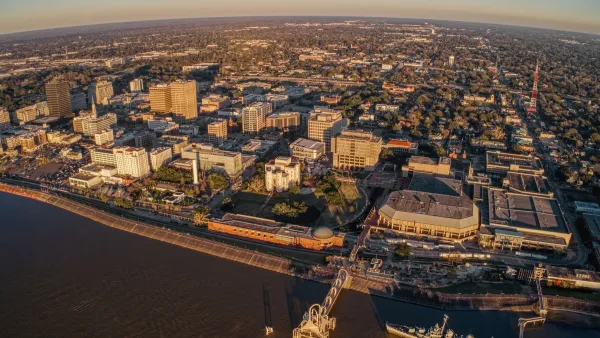
Baton Rouge master plan aims to triple downtown population
The Louisiana capital wants to entice developers to its riverfront district.
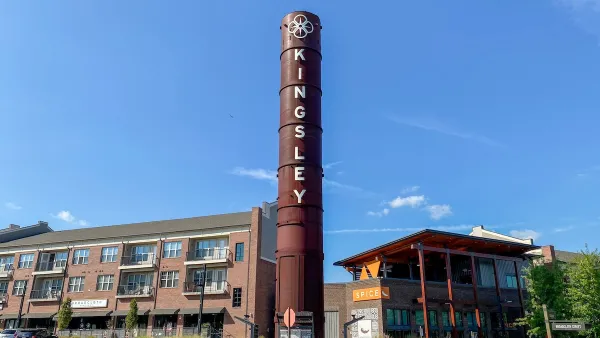
Rethinking Suburban Development: New Trends in Creating Livable Communities
Discover new trends in suburban development focused on creating more livable, sustainable communities for future growth.
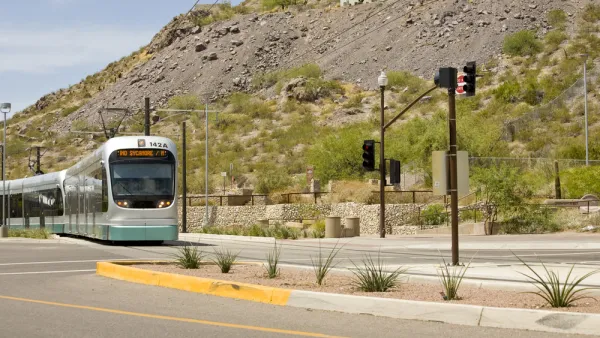
Neighbors Oppose Transit-Adjacent Gated Development
Phoenix housing advocates are pushing back against a developer's plan to build a gated, luxury townhome community—complete with private garages—in an area designated for higher density.

Planetizen Federal Action Tracker
A weekly monitor of how Trump’s orders and actions are impacting planners and planning in America.

California plans to bury El Niño’s downpour
If the state plays its cards right, it may be able to store a billion acre-feet of El Niño’s water in aquifers.

Desperate measures: Advocates weigh draining Lake Powell to fill Colorado River
Draining the reservoir could reduce evaporation losses by a couple hundred thousand acre-feet.

Voters choose public transit, approve $31 billion in funding
Approved projects include $101,000 for reduced-cost transit in a Michigan town and $14 billion for regional transit in the San Francisco Bay Area.

Study reveals best places in the U.S. for cycling, walking
New research from Streetlight Data examines bicycle and pedestrian miles per capita in the 100 largest U.S. cities by population.

Los Angeles just elected an urban planner as its mayor
Transportation analysts are optimistic that Raman will be more aggressive in addressing transit issues than Bass.

FREE Course: Walkable City 1: Why Walkability?
After describing his path towards focusing on walkability as the essence of good planning, Jeff Speck marches through his five principal reasons for making more walkable places.
Reinventing Malls: Planning Alchemy—Turning Gray Fields Into Gold
The course focuses on the opportunities and imperatives that shape reinvention of mall sites.

City of Rosemead
Rutgers University, Edward J. Bloustein School of Planning and Public Policy
One Hundred Miles
University of Michigan School for Environment and Sustainability (SEAS)
Hunter College, City University of New York (CUNY)
The Architects Foundation
City of Cambridge
Montrose County
The Pocatello Development Authority