The California Transportation Commission allocated $15.5 million to the state's High-Speed Rail Authority for environmental, engineering and design work on short, designated corridors for the 700-mile, $40 billion rail system.


"The money allocated (Oct. 24) came from $20.7 million budgeted this year by the governor and the Legislature for the California High Speed Rail Authority, a state agency that oversees the project. The authority had asked for about $100 million from the state.
"It's a step, but it's not as big a step as we would like," said Kris Deutschman, a spokeswoman for the authority, regarding the commission's vote. "At least it's a vote of confidence."
Others questioned putting $15.5 million into a project that they do not believe will be built because they say it is not economically feasible.
"It's a complete waste of money," said James E. Moore II, a professor in USC's department of industrial and systems engineering. "It's pork for the engineering firms."
"The bulk of the transportation bond money approved Wednesday will go to environmental, engineering and design work for segments of the proposed rail line between Anaheim and Los Angeles and Palmdale, and between San Jose and San Francisco, according to Steve Schnaidt, a consultant for the rail authority."
"Orange County transportation officials have contributed an additional $3.5 million for the project this year. The cost of the project is proposed to be evenly split among state and local governments, the federal government and private financing.
A $9.95-billion bond measure for the project is scheduled for the November 2008 ballot, although it has already been postponed twice. Gov. Arnold Schwarzenegger, citing other transportation priorities, proposed earlier this year that the measure be postponed indefinitely, but the Legislature has not taken the two-thirds vote required to take it off the ballot."
Thanks to MTC-ABAG Library


Planetizen Federal Action Tracker
A weekly monitor of how Trump’s orders and actions are impacting planners and planning in America.

Amtrak, CN end decades-long dispute with eight-year agreement
The new operating agreement establishes an updated framework for the companies to work together, including processes to resolve disputes.

Colorado’s Largest Data Center Could Rise Next to Homes — Without a Public Hearing
The proposed campus would consume 11 times the power of Denver International Airport; as it has across the country, opposition mounts.

'This is going to be painful:’ Virginia stares down $1.7 billion funding gap for highway maintenance
The state may address the deficit by shifting $290 million from its construction budget to maintenance projects.
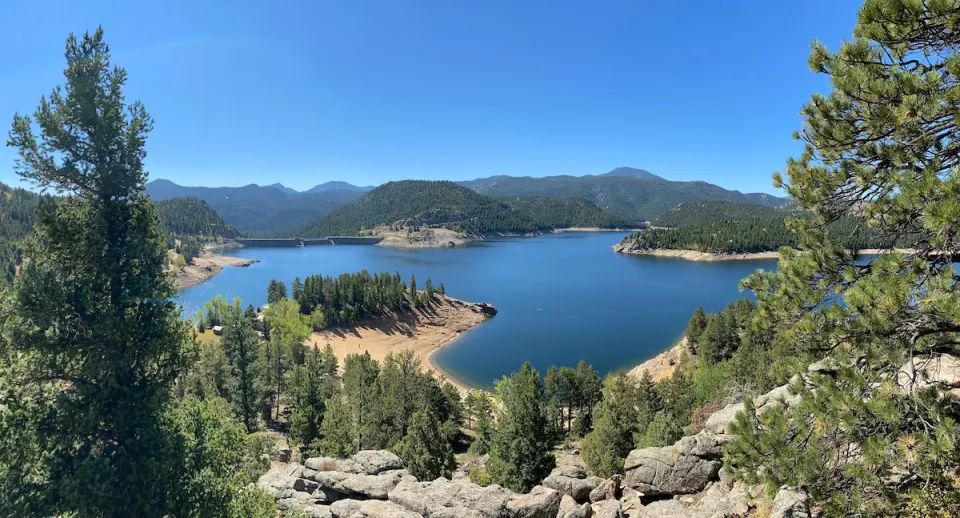
Judges permit Denver to divert 77,000 acre feet from the Colorado River for reservoir expansion
Overuse and climate change have caused the Colorado River’s water levels to plummet.
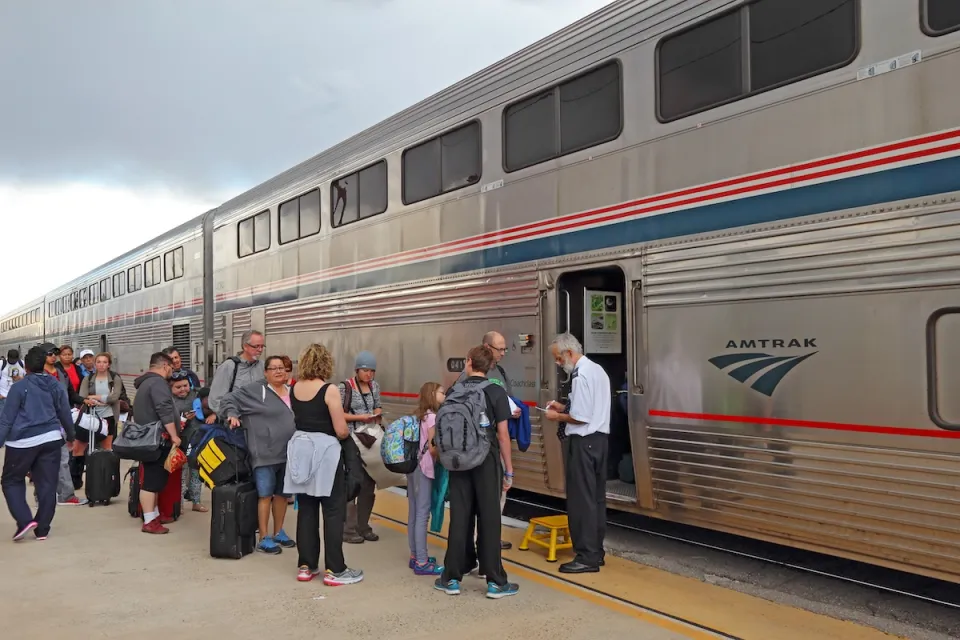
Amtrak, CN end decades-long dispute with eight-year agreement
The new operating agreement establishes an updated framework for the companies to work together, including processes to resolve disputes.

FREE Course: Walkable City 1: Why Walkability?
After describing his path towards focusing on walkability as the essence of good planning, Jeff Speck marches through his five principal reasons for making more walkable places.
Reinventing Malls: Planning Alchemy—Turning Gray Fields Into Gold
The course focuses on the opportunities and imperatives that shape reinvention of mall sites.

KFH Group Inc.
Greater Baltimore Committee
Eagle County Government
The Architects Foundation
University of Cincinnati Online
The Pocatello Development Authority
The Urban Renewal Agency of the City of Pocatello