While American drivers are burning record amounts of gas to feed their motoring habits, a weird thing is happening in the freeway state – Californians continue to consume less gasoline. Sustained high gas prices may play a role by changing behavior.


"California drivers are bucking a national trend by burning less fuel. The state Board of Equalization reported Tuesday (July 31) that gas use fell by nearly 1 percent in April, the most recent month for which it has statistics. That's down by 10.5 million gallons from a year ago and follows four straight quarters where Californians have used less gas than they did during the same period the year before.
Meanwhile, U.S. drivers have consumed a record 388 million gallons of gas on average every day during the first half of the year, up 1.5 percent from the same time a year ago, according to the American Petroleum Institute."
"This is fascinating," said Betty Yee, chairwoman of the Board of Equalization, which tracks the sales tax revenue collected from gas purchases. "Californians seem to be on the leading edge again," adding that while April's drop is less than 1 percent "it represents a persistent trend in consumer behavior."
"Californians burned almost 16 billion gallons in 2005, a figure that fell to 15.8 billion last year. The state is on pace to be even lower this year."
"Chris Knittel, an associate professor of economics at the University of California, Davis, has studied driver behavior in relation to gas costs and says, "We are now observing what economists call long-run behavioral changes, such as choosing different cars or looking for shorter or less frequent commutes."
"Californians, because of their wealth on average, can more easily make these changes," Knittel said. "This, along with the fact that Californians on average are more environmentally conscious compared to the rest of the U.S."
Read the full story: Restraint brings gas prices down: Many residents driving less, buying fuel-efficient vehicles to combat costs


Planetizen Federal Action Tracker
A weekly monitor of how Trump’s orders and actions are impacting planners and planning in America.

Amtrak, CN end decades-long dispute with eight-year agreement
The new operating agreement establishes an updated framework for the companies to work together, including processes to resolve disputes.
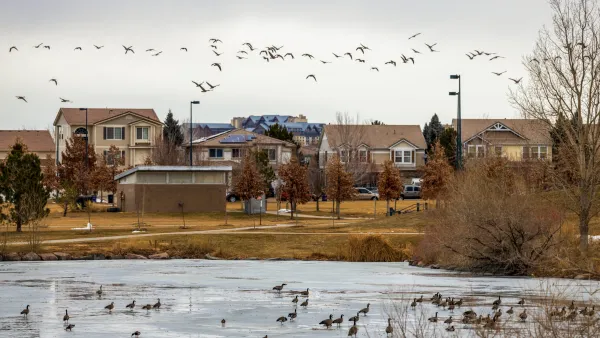
Colorado’s Largest Data Center Could Rise Next to Homes — Without a Public Hearing
The proposed campus would consume 11 times the power of Denver International Airport; as it has across the country, opposition mounts.

'This is going to be painful:’ Virginia stares down $1.7 billion funding gap for highway maintenance
The state may address the deficit by shifting $290 million from its construction budget to maintenance projects.
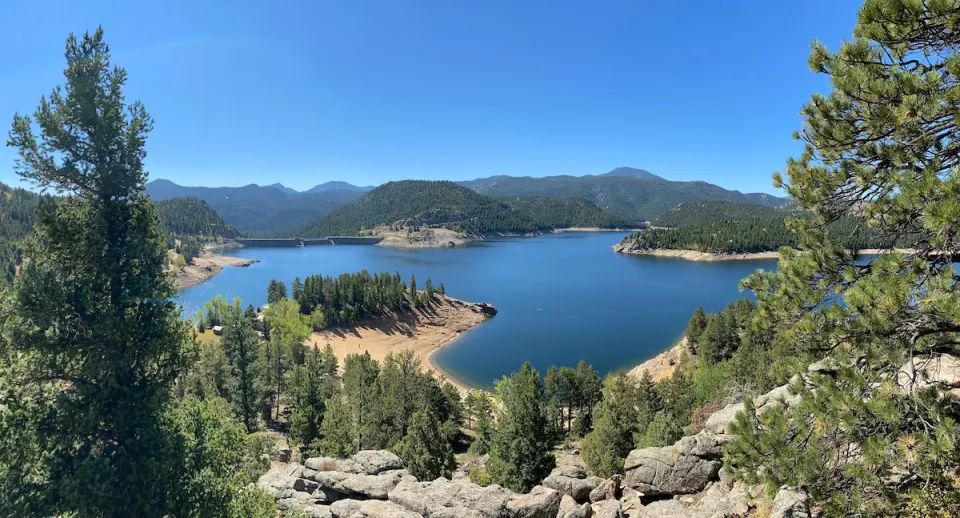
Judges permit Denver to divert 77,000 acre feet from the Colorado River for reservoir expansion
Overuse and climate change have caused the Colorado River’s water levels to plummet.
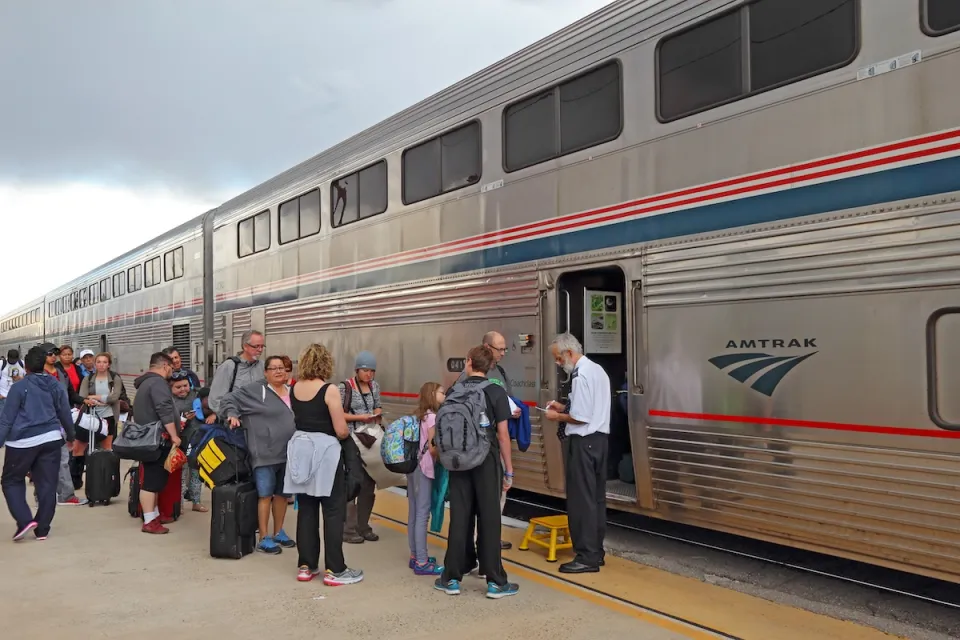
Amtrak, CN end decades-long dispute with eight-year agreement
The new operating agreement establishes an updated framework for the companies to work together, including processes to resolve disputes.

FREE Course: Walkable City 1: Why Walkability?
After describing his path towards focusing on walkability as the essence of good planning, Jeff Speck marches through his five principal reasons for making more walkable places.
Reinventing Malls: Planning Alchemy—Turning Gray Fields Into Gold
The course focuses on the opportunities and imperatives that shape reinvention of mall sites.

KFH Group Inc.
Greater Baltimore Committee
Eagle County Government
The Architects Foundation
University of Cincinnati Online
The Pocatello Development Authority
The Urban Renewal Agency of the City of Pocatello