In the U.S. regular cyclists are usually athletic men braving dangerous traffic. To get the rest of the population riding bicycles, the U.S. should look at successful solutions implemented around the world.


"Cycle tracks?...No! Those lanes are easily blocked by vehicles attempting to park. And they leave cyclists within inches of fast cars and monster trucks...Cycle tracks...are actually a separated part of the roadway yet distinct from the roadway, distinct from the sidewalk. In their purest form -- Odense, Denmark, where 50 percent of all city journeys are by bicycle -- the paths even have their own traffic signals."
"Another solution, tried on relatively wide streets in Bogota, Paris, London and elsewhere, is to move the parking lane several feet from the sidewalk, creating a new lane for cyclists between the sidewalk and parked cars."
"if the numbers of Americans who bike regularly remain overwhelmingly male and macho...huge portions of the American population -- women, seniors, children on their way to school, and men who use more caution -- will never join in."
Read the full story: A New Two-Wheeled Course?


Planetizen Federal Action Tracker
A weekly monitor of how Trump’s orders and actions are impacting planners and planning in America.

Colorado’s Largest Data Center Could Rise Next to Homes — Without a Public Hearing
The proposed campus would consume 11 times the power of Denver International Airport; as it has across the country, opposition mounts.

US to reduce Colorado River water deliveries to Mexico
A new Colorado Treaty amendment reduces Mexico’s Colorado River water allocation by 250,000 acre feet.
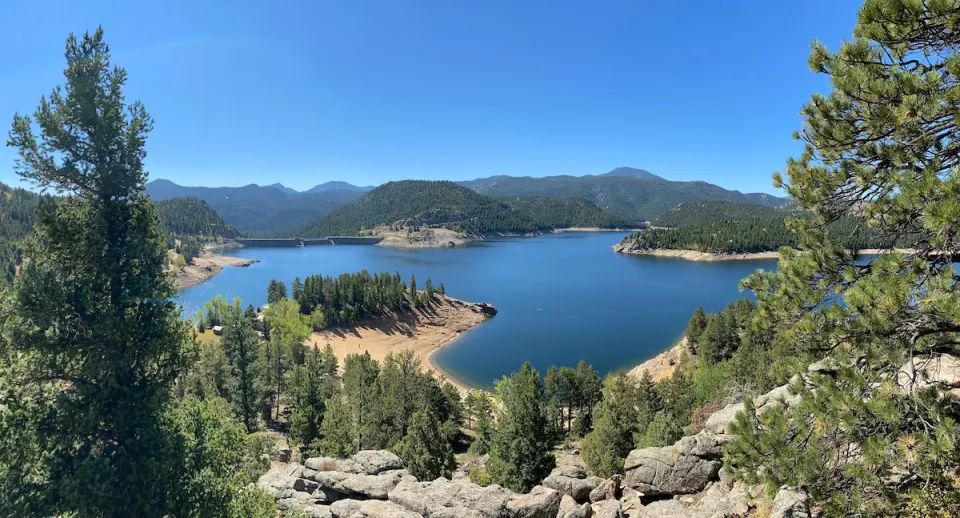
Judges permit Denver to divert 77,000 acre feet from the Colorado River for reservoir expansion
Overuse and climate change have caused the Colorado River’s water levels to plummet.
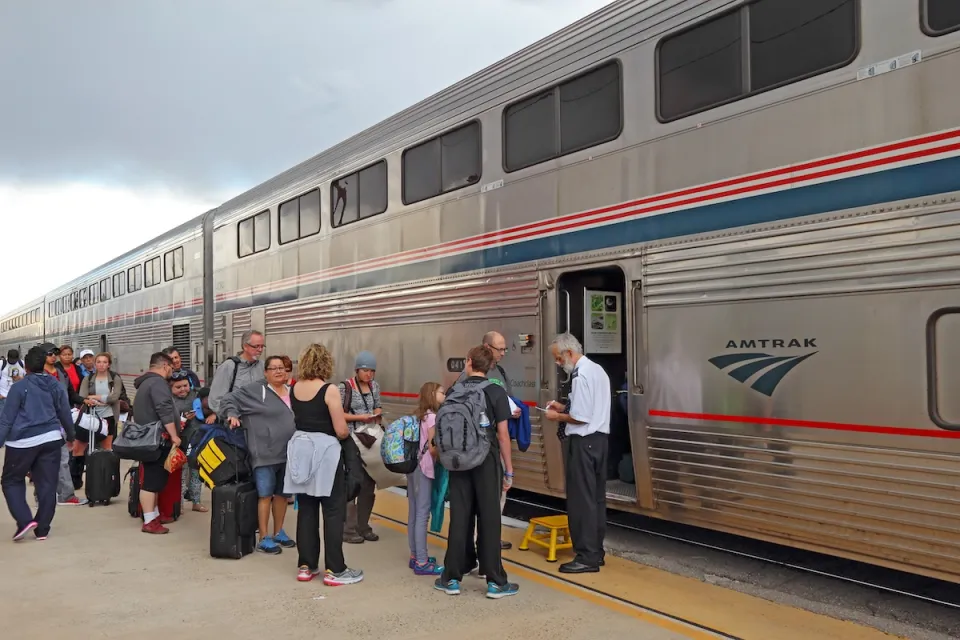
Amtrak, CN end decades-long dispute with eight-year agreement
The new operating agreement establishes an updated framework for the companies to work together, including processes to resolve disputes.
Raised interest rates may kill financially vulnerable construction projects
The chief economist at ConstructConnect warns that if construction project owners are negatively impacted by the raised rates, it could result in delayed payments to contractors.

FREE Course: Walkable City 1: Why Walkability?
After describing his path towards focusing on walkability as the essence of good planning, Jeff Speck marches through his five principal reasons for making more walkable places.
Reinventing Malls: Planning Alchemy—Turning Gray Fields Into Gold
The course focuses on the opportunities and imperatives that shape reinvention of mall sites.

KFH Group Inc.
Greater Baltimore Committee
Eagle County Government
The Architects Foundation
University of Cincinnati Online
The Pocatello Development Authority
The Urban Renewal Agency of the City of Pocatello