Children are integral to the urban environment, yet we have shrunk the places where they can play, grow and thrive. Creating natural environments where children are free to imagine and play without instruction and structure is critical to our future.


A prevalent theme of late has been the alarming rise of obesity and poor health among our children, particularly those in urban environments. This article describes the urgent need to create natural and wild environments for children to help them grow and thrive in the city.
The lack of free time, natural spaces and non-supervised play for children in most urban environments creates children who do not develop their creativity and are not as healthy.
Developing gardens and open spaces in the city for children that allow for imaginative play and freedom is a way to help children expand their mind and improve their bodies.
As we continue to experience increased childhood health problems, as well as see families leave the city, planners and urban designers need to address these problems and improve the urban environment. Wild gardens and wild spaces may be an important part of the solution.
Thanks to Mindy Craig
Read the full story: A stimulating tool to help children grow


Planetizen Federal Action Tracker
A weekly monitor of how Trump’s orders and actions are impacting planners and planning in America.

Northwest rail fans eager for Sept. 30 debut of Amtrak’s Airo fleet
Get ready for that new train smell and more seats. But they won’t go faster or run more frequently on the Cascades route in Washington and Oregon.
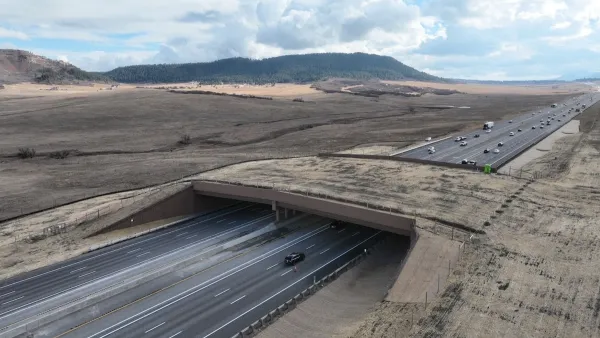
Record-breaking wildlife overpass in Colorado brings 91% reduction in animal collisions
Prior to the overpass, vehicles were hitting one deer per day on Colorado’s Interstate 25.

Detroit to transform waterfront with $2.2 billion investment
Developers will convert about 18 acres of unused parking lot space into civic spaces.

‘Going backwards:’ Baltimore mayor, students rally against state's transit funding plan
Maryland's proposed six-year plan provides no funding for Baltimore’s BMORE bus program and reduces its road maintenance funding.

Trump wants to cancel nearly 98% of funding for HUD housing support program
Multiple housing groups are suing the administration in an effort to preserve the funding.

FREE Course: Walkable City 1: Why Walkability?
After describing his path towards focusing on walkability as the essence of good planning, Jeff Speck marches through his five principal reasons for making more walkable places.
Reinventing Malls: Planning Alchemy—Turning Gray Fields Into Gold
The course focuses on the opportunities and imperatives that shape reinvention of mall sites.

City of Thousand Oaks
City of Wisconsin Rapids
Harvard University Graduate School of Design
The Architects Foundation
University of Cincinnati Online
Northern Illinois Transit Authority (NITA)
The Pocatello Development Authority
The Urban Renewal Agency of the City of Pocatello