A bill to ban push-pull commuter trains in California was amended to include an independent study after commuter rail operators and their advocates objected to the costs the ban would impose.


Assembly Majority Leader Dario Frommer (D-Glendale) introduced a bill to prevent reccurrences of the tragic January 2005 crash of a Metrolink commuter train in Glendale, Los Angeles County, that resulted in 15 deaths. The train was operated in "push mode", where the locomotive supplying the power is in the rear of the train, "pushing it", while the engineer is in the front, or "cab car", operating the train.
"Frommer noted that since 1992, Metrolink has had four major crashes involving push operations, resulting in 15 deaths and more than 300 injuries. In contrast, the line has had two major crashes of trains pulled by locomotives; 25 people were hurt and no one was killed."
The provision would have affected California's four commuter rail systems: Metrolink and the Coaster in southern California, and Caltrain and Altamont Commute Express in northern California.
The excessive costs the ban would have imposed caused an outcry by the rail operators and their advocates. The bill was amended to a "study bill" that will be undertaken by the Institute of Transportation Studies, UC Berkeley, next year if the bill becomes law.
Thanks to Alan C. Miller
Read the full story: Senate Panel Rejects Ban on Pushing Trains


Planetizen Federal Action Tracker
A weekly monitor of how Trump’s orders and actions are impacting planners and planning in America.

The state-sanctioned urbicide of Austin
People don’t kill cities. Freeways do.

US to reduce Colorado River water deliveries to Mexico
A new Colorado Treaty amendment reduces Mexico’s Colorado River water allocation by 250,000 acre feet.

Nation's most wind-powered state turns to coal as data centers increase energy demand
For the first time in decades, Iowa has increased its generation of coal power.
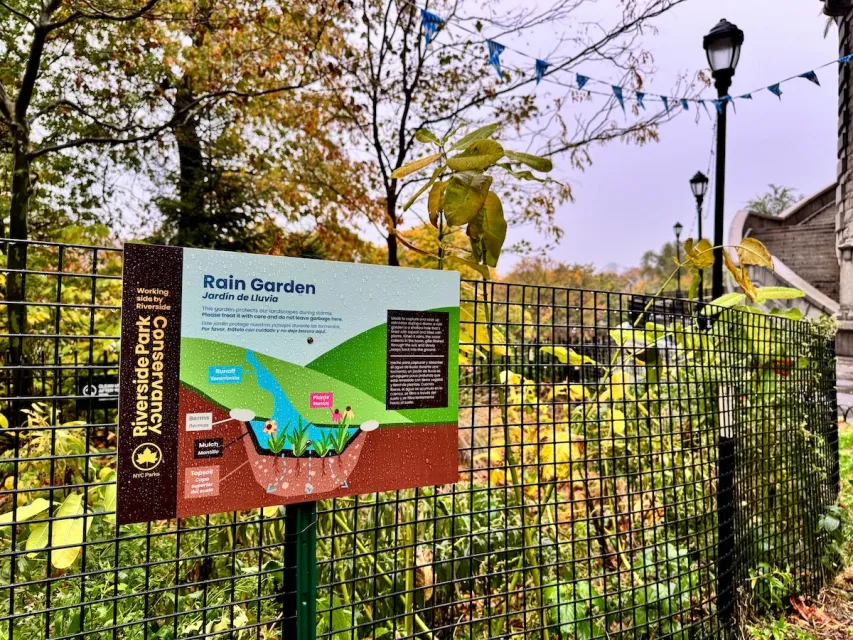
NYC cools commuters with city's first rain garden above a bus stop
New York City officials say the plants in the rain garden can absorb 16 gallons of rainwater during heavy storms.

Brightline West’s future may rely on $6 billion federal loan
The company has until Nov. 2 to make a $400 million equity investment into its proposed high-speed rail line.

FREE Course: Walkable City 1: Why Walkability?
After describing his path towards focusing on walkability as the essence of good planning, Jeff Speck marches through his five principal reasons for making more walkable places.
Reinventing Malls: Planning Alchemy—Turning Gray Fields Into Gold
The course focuses on the opportunities and imperatives that shape reinvention of mall sites.

Eagle County Government
Harvard University Graduate School of Design
Nashville Planning Department
The Architects Foundation
University of Cincinnati Online
The Pocatello Development Authority
The Urban Renewal Agency of the City of Pocatello
Journal of the American Planning Association