Trying to find parking in Downtown Los Angeles is going from difficult to near-impossible as ever more surface lots are converted to housing. The Downtown News offers the first in a three-part series.


"The explosive growth of Down-town Los Angeles over the past five years hints at the future. Already developments sprout wherever they can, luring exurbanites with the amenities of city living. The buzz of 21st century Los Angeles promises the completion of stalled rail lines, the start of new ones and, finally, a public grasping of mass transit.
But for now, cars rule. And when it comes to parking them, Downtown is still more Wild Wild West than Tomorrowland.
Shoupistas are everywhere in Downtown. They pop up at planning conferences, transit meetings and parking outreach forums, united by their agreement with Don Shoup. ...'The success is so self-evident in Pasadena," Shoup said. "If [Downtown] bought into this proposal, if it agreed to raise the meter rates so there are a few vacant spaces, they would see the light.' "
Read the full story: Trying to Solve the Parking Puzzle


Planetizen Federal Action Tracker
A weekly monitor of how Trump’s orders and actions are impacting planners and planning in America.

Data reveals that NYC’s bet on congestion pricing has paid off
After almost two years of the program, reports show positive impacts on traffic and air quality and no disruptions to parking.
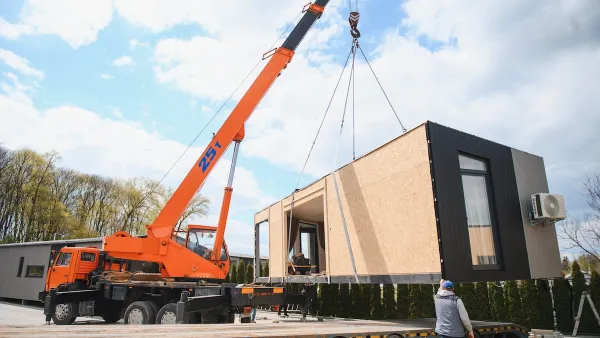
HUD modernizes 50-year-old manufactured housing framework
The Next Generation Manufactured Housing Action Plan establishes new energy-efficiency standards for manufactured homes, and new guidelines for anchoring them.

This Chicago neighborhood is using planning to increase life expectancy
The Garfield Park Quality-Of-Life Plan aims to bring residents everything from easier access to fresh food to revitalized commercial corridors.

Boston connects suburbs to the city with 5 free bus routes
The city will launch the new routes in 2027, and offer them for at least three years.

Who pays when a remote Alaska village can no longer stay?
A year after ex-Typhoon Halong, the struggle for two communities to find safer ground has become part of a national debate over who should bear the costs of the climate crisis.

FREE Course: Walkable City 1: Why Walkability?
After describing his path towards focusing on walkability as the essence of good planning, Jeff Speck marches through his five principal reasons for making more walkable places.
Reinventing Malls: Planning Alchemy—Turning Gray Fields Into Gold
The course focuses on the opportunities and imperatives that shape reinvention of mall sites.

Rutgers University, Edward J. Bloustein School of Planning and Public Policy
One Hundred Miles
County of Mendocino
The Architects Foundation
University of Cincinnati Online
Montrose County
Northern Illinois Transit Authority (NITA)
The Pocatello Development Authority