The WMATA’s push to better integrate bikes into their transit system includes hundreds of new secure bike lockers, repair stations, and train cars with dedicated space for bikes.


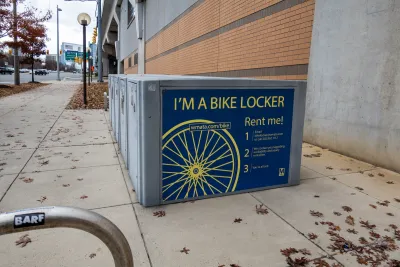
The Washington Metropolitan Area Transit Authority (WMATA) is installing 450 new bike lockers at two major Metro stations to encourage more people to bike to stations, reports Kendall Staton in The Washington Post.
According to Staton, “Metro’s current lockers are decades-old, carry a $120 annual rental fee and can only be opened with a physical key. The system also has free, secured bike storage rooms at several stops.” The new, app-controlled lockers will cost 5 cents an hour (capped at $1 per day).
The agency is also installing 100 self-locking bike racks, 50 oversized lockers to fit cargo bikes, 75 bike repair stations, and 600 traditional bike racks across the system. The $7.3-million project is part of a push to better integrate bikes with the Metro train system that includes new trains with dedicated bike storage.
FULL STORY: Metro rolls out new bike lockers to encourage more cyclists to use rail

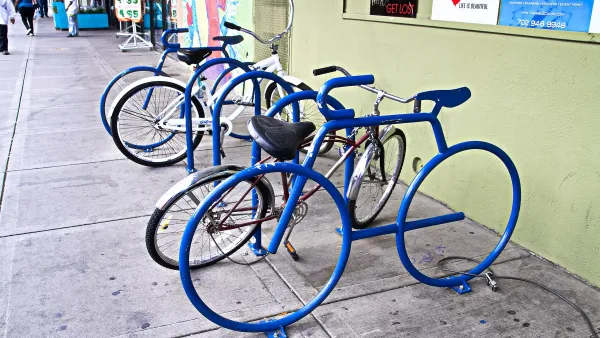
Where's the nearest bike rack? This Las Vegas map shows you.
Because bike parking is often on private property, it's difficult for cyclists to know where they can find it.
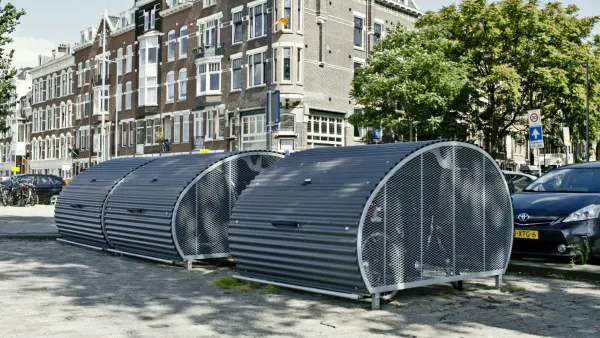
NYC Launches Citywide Secure Bike Parking Network
The new parking hubs will span 500 locations and offer an alternative to taking bikes on crowded transit or up multi-story apartment stairs.
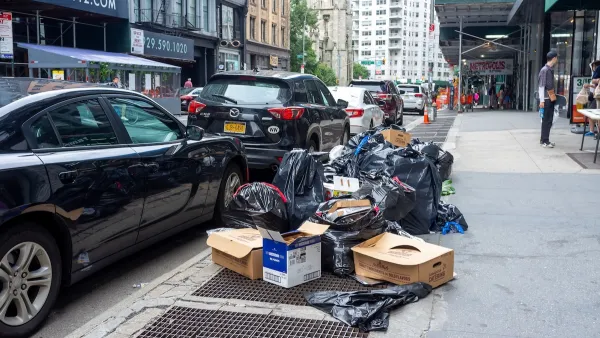
NYC Launches ‘Smart Curbs’ Program
The pilot program on the Upper West Side will remove some curbside parking spots to replace them with public seating, bike racks, and delivery zones.

Planetizen Federal Action Tracker
A weekly monitor of how Trump’s orders and actions are impacting planners and planning in America.

The state-sanctioned urbicide of Austin
People don’t kill cities. Freeways do.

US to reduce Colorado River water deliveries to Mexico
A new Colorado Treaty amendment reduces Mexico’s Colorado River water allocation by 250,000 acre feet.

Mamdani overhauls NYC's Vision Zero plan with 100 new policy goals
The overhaul aims to reduce traffic deaths and make streets safer for pedestrians, cyclists and drivers through lower speed limits, new safety infrastructure and more.

Amtrak not solely to blame for New Jersey commuter rail's unreliability, report finds
A new study from the Garden State Initiative found that NJ Transit’s budget grew 20% across a 4 year period, but reliability declined significantly over the same period.

EPA erases limits on planet-warming pollution from power plants
Under Monday’s plan, power plants would still have some limits on how much mercury, arsenic and other contaminants they can emit.

FREE Course: Walkable City 1: Why Walkability?
After describing his path towards focusing on walkability as the essence of good planning, Jeff Speck marches through his five principal reasons for making more walkable places.
Reinventing Malls: Planning Alchemy—Turning Gray Fields Into Gold
The course focuses on the opportunities and imperatives that shape reinvention of mall sites.

Eagle County Government
Harvard University Graduate School of Design
Nashville Planning Department
The Architects Foundation
University of Cincinnati Online
The Pocatello Development Authority
The Urban Renewal Agency of the City of Pocatello
Journal of the American Planning Association