A Senate committee will hear testimony by automakers in a hearing that could determine whether autonomous emergency braking and other safety features will be mandatory on new cars.



The U.S. Senate Committee on Commerce, Science, and Transportation will hold a January hearing on car affordability, with a main point of discussion being safety features that committee chairman Ted Cruz claims raise the cost of vehicles.
According to an article in CarExpert by Derek Fung, “The CEOs of America’s Big Three automakers (Ford, GM and Stellantis) have been invited to attend, along with Tesla’s head of vehicle engineering.”
The average cost of a new car rose above $50,000 for the first time in September, according to Kelley Blue Book. However, this includes a rush of buyers for EVs, which are typically more expensive, before the federal tax credit expired.
Automakers are trying to block a mandatory requirement for autonomous emergency braking (AEB), which the National Highway Traffic Safety Administration (NHTSA) plans to make mandatory by 2029. “This is despite a wide-ranging study of over 98 million vehicles funded by both NHTSA and automakers showing AEB reduces front-to-rear car accidents by 49 per cent, and accidents with pedestrians, cyclists and other road users by nine per cent.”
FULL STORY: US Senate committee blames safety tech for rising car prices

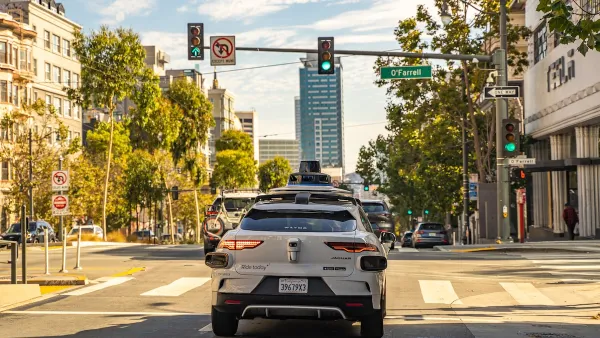
NHTSA Cuts Could Make Roads More Dangerous
The agency is losing almost half of the team that oversees autonomous vehicle safety, among dozens of other key personnel.
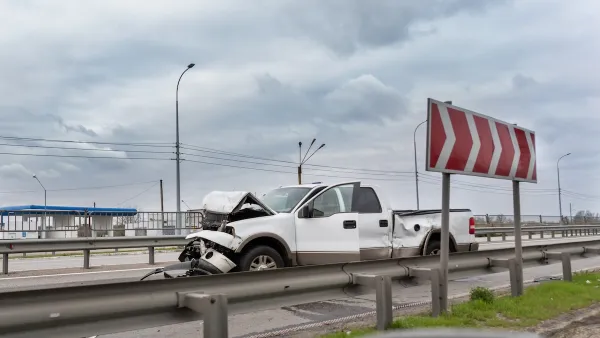
Proposed NHTSA Rule Takes Aim at Dangerously Large Trucks and SUVs
Nearly half of pedestrians who died after being hit by the front of a vehicle were struck by SUVs or trucks.
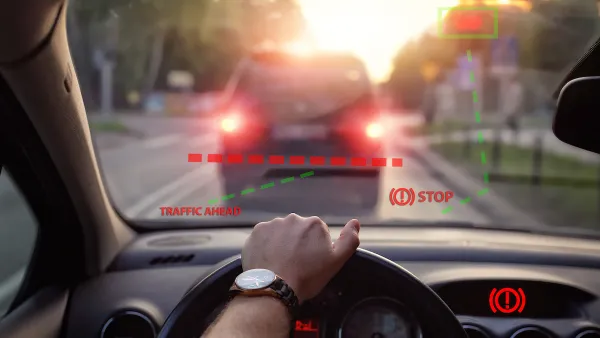
NHTSA Finalizes Automatic Braking Rule to Advance Road Safety
New cars will be required to include automatic detection and braking technology for vehicles and pedestrians by 2029.

Planetizen Federal Action Tracker
A weekly monitor of how Trump’s orders and actions are impacting planners and planning in America.

The state-sanctioned urbicide of Austin
People don’t kill cities. Freeways do.

US to reduce Colorado River water deliveries to Mexico
A new Colorado Treaty amendment reduces Mexico’s Colorado River water allocation by 250,000 acre feet.

5 New England states march closer to 800 megawatt wind energy project
Securing federal approval for the project may be complicated under the Trump administration, which has historically been hostile towards domestic wind power.

Baltimore to break ground on $50 million Transit Priority Project
The project will bring faster bus trips, safer streets and better bike connections to Baltimore.

Airbnb launches $250 million 'last-dollar financing' housing accelerator, makes first investment in Austin
The company will put $6.4 million towards affordable housing development in Texas’ capital.

FREE Course: Walkable City 1: Why Walkability?
After describing his path towards focusing on walkability as the essence of good planning, Jeff Speck marches through his five principal reasons for making more walkable places.
Reinventing Malls: Planning Alchemy—Turning Gray Fields Into Gold
The course focuses on the opportunities and imperatives that shape reinvention of mall sites.

Eagle County Government
Harvard University Graduate School of Design
Nashville Planning Department
The Architects Foundation
University of Cincinnati Online
The Pocatello Development Authority
The Urban Renewal Agency of the City of Pocatello
Journal of the American Planning Association